Best Api Con Pastel Near Me: A Complete Guide to Bolivia’s Favourite Breakfast Pairing

There is something quietly comforting about a warm cup of purple corn drink served alongside a crisp, cheese-filled pastry. For anyone who has tasted it once, the craving tends to return, and so does the search: best api con pastel near me. This simple phrase reflects curiosity about a dish that has travelled far from its Andean origins, and a growing appetite among UK food lovers for something authentic and rooted in real tradition rather than trend.
This guide takes a closer look at what api con pastel actually is, why it holds such a special place in Bolivian culture, and what genuinely separates an excellent version of the dish from a disappointing one.
What Is Api Con Pastel? Understanding the Dish Behind the Search
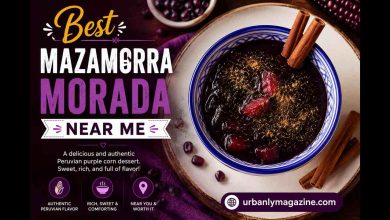
Api con pastel is a traditional Bolivian breakfast pairing made up of two distinct elements that are always served together. The first is “api,” a thick, warm drink made from ground purple corn, known locally as maize morado. The corn is simmered slowly with cinnamon sticks, cloves, and orange peel, then sweetened until it reaches a smooth, almost porridge-like consistency. The colour is a deep violet, and the aroma is unmistakably spiced and citrusy.
The second element, “pastel,” refers to pastel de queso, a deep-fried pastry with a soft cheese filling, usually made from a mild, slightly salty cheese similar to queso fresco. Once fried, the pastry is dusted with a light layer of sugar, which balances the saltiness of the cheese against the sweetness of the api. Eaten together, hot drink in one hand and warm pastry in the other, the combination is meant to be both filling and comforting, particularly on a cold morning.
The Andean Roots and Cultural Story Behind Api Con Pastel
To understand why so many people now search for the best api con pastel near me them, it helps to know where the dish comes from. Api con pastel has deep roots in Bolivian cities such as La Paz and El Alto, where it has long been sold by street vendors in the early hours of the morning. Many of these vendors, often referred to locally as cholitas, set up simple stalls before sunrise, and the scent of simmering corn and frying dough becomes part of the daily rhythm of the street.
This is not a dish designed for restaurants or formal dining rooms. It belongs to markets and street corners, eaten standing up before the working day begins. That history shapes what “authentic” really means when people talk about this dish. A genuine version should feel unpretentious and generous, made with the kind of care that comes from a recipe passed down through generations rather than adapted for convenience.
Why More People Are Searching for the Best Api Con Pastel Near Me
Interest in Bolivian and wider Andean cuisine has grown steadily across the UK in recent years, partly driven by larger Latin American communities settling in cities and partly by food culture moving online. Short videos and food photography have introduced api con pastel to audiences who may never have encountered Bolivian food before, and that curiosity often turns into a genuine desire to taste the real thing rather than simply admire it on a screen.
There has also been a broader shift towards seeking out food that feels personal and culturally specific, rather than mass-produced. People want to know a dish has been made the way it would be made in La Paz or El Alto, with the right corn, the right spices, and the right technique. That is exactly why the phrase best api con pastel near me has become such a common search. It is not just about location convenience. It is about trust in quality.
What Defines Genuine Quality: Ingredients That Matter
The difference between an ordinary api con pastel and a memorable one almost always comes down to ingredients:
- The corn itself. Authentic api is made from real ground purple corn flour rather than artificial purple colouring mixed into a generic corn base. The natural variety gives the drink its distinctive earthy sweetness and deep violet shade.
- Whole spices, not extracts. Cinnamon sticks, whole cloves, and fresh orange peel simmered directly in the liquid produce a far rounder, more fragrant flavour than bottled flavouring ever could.
- Real cheese in the pastel. The filling should use a mild, slightly tangy fresh cheese that melts softly without becoming rubbery or overly oily once fried.
- Freshly made dough. The pastry casing should be light and flaky, never dense or doughy, which usually means it has been rolled and fried close to serving time rather than prepared hours in advance.
- Proper frying technique. Clean oil at the right temperature produces a pastel that is golden and crisp on the outside without tasting greasy.
These small details add up. A vendor or café that pays attention to each one is far more likely to be worth seeking out than one cutting corners with shortcuts and substitutes.
Recognizing Genuine Quality of Service Alongside the Food
Ingredients tell only part of the story. The way a place treats its customers and handles food preparation says just as much about whether it deserves the title of the best api con pastel near you. A few signs tend to stand out among the most well-regarded spots:
- Staff who can comfortably explain the dish, its origins, and what goes into it, rather than offering a vague description.
- Visible attention to hygiene and freshness, including clean preparation areas and pastries that are clearly cooked to order rather than sitting under a heat lamp for hours.
- Api served properly hot, never lukewarm, since temperature is part of what makes the drink comforting.
- Consistency from one visit to the next, so the flavour and texture do not vary wildly depending on the day.
- Fair and transparent pricing that reflects the portion and quality offered, without unnecessary upselling.
A place that gets both the ingredients and the service right tends to build a loyal following quickly, often through word of mouth within local Latin American communities before it becomes more widely known.
How to Track Down the Best Api Con Pastel Near You
Finding a genuinely good version of this dish usually takes a little more effort than a single search, but a few approaches tend to work well.
Look specifically for cafés, bakeries, or stalls that describe themselves as Bolivian or Andean rather than generic Latin American, since the dish is most closely associated with Bolivia and is less commonly found on broader Latin American menus. Reading recent reviews carefully also helps, particularly ones mentioning specific details like the freshness of the pastel or the texture of the api, rather than generic praise.
Latin American grocery stores are another useful starting point, since many either sell the dish themselves on weekend mornings or can point customers toward a nearby vendor who does. Community groups, cultural associations, and local food markets celebrating South American cuisine are often where the most authentic versions surface, sometimes only available for a few hours early in the day, just as they would be on the streets of La Paz.
Social media can also help here. Searching location tags alongside terms like Bolivian breakfast or api morado often surfaces smaller spots that have not built up a large online presence but are well loved within the community. At Reuterings, we have noticed that some of the most highly recommended versions of this dish come from small, family-run stalls rather than larger commercial cafés, which says a lot about how much craftsmanship and tradition still matter here.
Api Morado Versus Api Blanco: Knowing the Variations
Most people searching for the best api con pastel near me are picturing the purple version, known as api morado, but it is worth knowing that a white variation, api blanco, also exists. Api blanco is made using white corn rather than purple corn and tends to have a milder, less sweet flavour with a paler colour. Both versions are traditionally served the same way, hot and alongside a pastel, but api morado remains the more widely recognized and requested option outside Bolivia, largely because of its striking colour and slightly bolder spiced flavour.
A café or vendor that offers both versions, and can explain the difference clearly, is generally a strong sign of genuine knowledge and respect for the dish’s traditions.
Perfect Pairings Worth Trying
While pastel de queso is the most traditional partner for api, it is not the only option. Buñuelos, light and crispy fried dough fritters often drizzled with honey or syrup, are sometimes offered as an alternative. Either pairing works well, since the sweet, crisp pastry contrasts nicely with the thick, spiced warmth of the drink. Some vendors also adjust sweetness levels on request, which helps for anyone who prefers a milder version.
Health and Nutritional Notes Worth Knowing
Purple corn, the key ingredient in api morado, contains naturally occurring anthocyanins, the same antioxidant compounds responsible for the deep colour found in foods like blueberries and red cabbage. Api con pastel is very much a treat rather than a health food, given the natural sugars in the drink and the frying involved in the pastry, but a version made with real corn, whole spices, and natural sweeteners does make a noticeable difference compared to one relying on artificial colouring or flavouring. Moderation and quality go hand in hand here.
Bringing the Experience Home When a Local Option Is Hard to Find
For those who cannot easily find a dedicated vendor nearby, recreating api con pastel at home is entirely possible, provided the right ingredients are sourced. Purple corn flour, sometimes labelled maize morado or harina morada, can usually be found in Latin American specialty grocers or ordered online. Whole cinnamon, cloves, and fresh oranges for zest are widely available, and the cheese pastry itself only requires a simple dough recipe paired with a mild, fresh cheese.
Making it at home also offers a useful way to appreciate just how much skill goes into getting the balance right, which makes it easier to recognize genuine quality when searching for the best api con pastel near you in future.
Final Thoughts on Choosing Quality Over Convenience
Api con pastel is more than a passing food trend. It carries the warmth of Bolivian mornings, the rhythm of street markets, and generations of careful preparation passed down through families. When searching for the best api con pastel near you, the details genuinely matter, from the corn used to the freshness of the pastry and the way a vendor treats their customers. Taking a little extra time to seek out a place that respects these traditions, rather than settling for the nearest convenient option, tends to make all the difference between an average cup and a memorable one. Guides like this one from Reuterings are there to help make that search easier, so the next bowl of api and the pastel beside it taste exactly the way they should.
Frequently Asked Questions About Api Con Pastel
What is api con pastel made of? Api is made from ground purple or white corn simmered with cinnamon, cloves, and orange peel, while the pastel is a fried pastry filled with mild, fresh cheese.
Is api con pastel served hot or cold? It is almost always served hot, traditionally early in the morning, since warmth is part of what makes the dish comforting.
What is the difference between api morado and api blanco? Api morado is made from purple corn and has a bolder, sweeter flavour, while api blanco uses white corn and tends to be milder in taste and lighter in colour.
Can api con pastel be made at home? Yes, provided purple or white corn flour, whole spices, and fresh cheese for the pastry can be sourced, which are often available through Latin American grocers or online suppliers.
Why is it called a breakfast dish? Traditionally, api con pastel is sold and eaten early in the morning in Bolivia, often by street vendors before the working day begins, which has shaped its reputation as a breakfast staple rather than a meal for later in the day.