Best Anticucho Boliviano Near Me: How to Find the Real Deal in Your City
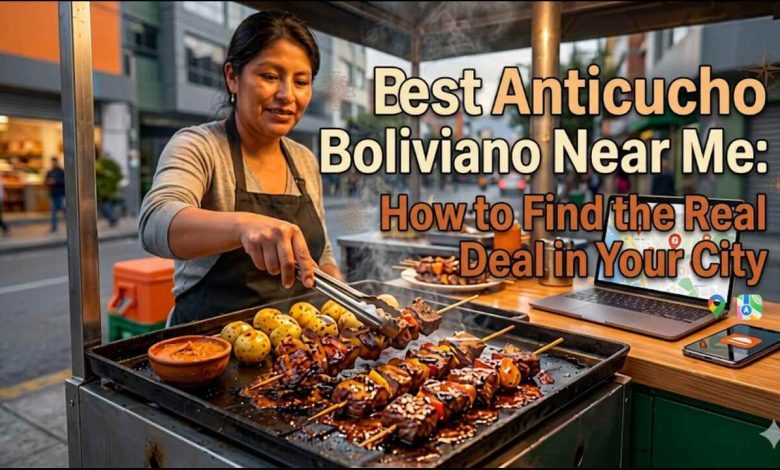
There’s a particular kind of smoke that pulls you in from half a block away. It’s heavier than your average barbecue, a little earthy, a little sweet from the peanut sauce dripping onto hot coals. If you’ve ever followed that smell to a street cart or a tucked-away Bolivian restaurant, you already know why so many people end up typing “best anticucho boliviano near me” into their phones at 9 p.m. on a Tuesday.
Anticucho isn’t just grilled meat on a stick. It’s a dish with centuries of history, regional pride, and a flavor profile that doesn’t really compare to anything else on a typical takeout menu. But not every place that sells anticuchos does it right, and if you’ve never tried the authentic version, you might not even know what you’re missing.
This guide walks through what real Bolivian anticucho should taste like, how to evaluate the spots near you, what questions to ask before you order, and a few insider tips that locals in Bolivian communities swear by. Whether you’re a longtime fan or trying this for the first time, you’ll walk away knowing exactly how to separate the genuine article from a sad imitation.
What Exactly Is Anticucho Boliviano?
At its core, anticucho is skewered, marinated meat grilled over open coals. The name traces back to Quechua roots, and variations of the dish exist across several Andean countries, including Peru and Bolivia. But Bolivian anticucho has its own distinct identity.
In Bolivia, anticuchos are traditionally made from beef heart, marinated for hours in a blend of vinegar, garlic, cumin, and aji (Bolivian chili pepper). The meat is then skewered, often alternating with chunks of potato, and grilled until it develops a deep char on the outside while staying tender inside.
What sets the Bolivian version apart, though, is the sauce. A proper plate isn’t complete without a generous drizzle of creamy peanut sauce, known locally as salsa de maní, paired with crispy fried potatoes and sometimes a side of choclo (large-kernel corn). This combination of smoky, tangy, nutty, and starchy elements is what gives anticucho boliviano its signature comfort-food appeal.
Quick Answer: What Does Authentic Anticucho Taste Like?
Authentic Bolivian anticucho tastes smoky and slightly tangy from the vinegar marinade, with deep umami notes from the beef heart, balanced by a rich, slightly sweet peanut sauce on top. The texture should be tender, never rubbery, with a charred exterior.
Why “Best Anticucho Boliviano Near Me” Searches Matter for Authentic Bolivian Food
Bolivian cuisine doesn’t have the same widespread restaurant presence as, say, Mexican or Italian food in most cities. That scarcity is exactly why location-based searches matter so much here. Unlike more mainstream dishes where quality is fairly consistent across chains, anticucho quality varies wildly depending on who’s making it and how closely they stick to tradition.
A search for the best anticucho boliviano near you usually pulls up a mix of:
- Established Bolivian restaurants with a dedicated grill station
- Weekend street vendors or pop-up stalls, often run by Bolivian families
- Food trucks that rotate through different neighborhoods
- Fusion restaurants that include anticucho as one menu item among many
Each of these has trade-offs worth understanding before you commit your appetite.
How to Identify a High-Quality Anticucho Spot
You don’t need to be Bolivian to tell good anticucho from mediocre anticucho. A few telltale signs separate the spots worth driving across town for from the ones that just slap “Bolivian-inspired” on a menu for novelty.
1. The Marinade Smells Tangy, Not Just Smoky
Good anticucho has a vinegar-forward aroma even before it hits the grill. If a place skips the marinade step and just seasons the meat lightly before grilling, the depth of flavor won’t be there. Ask the staff how long they marinate the meat places proud of their process will happily tell you it’s several hours, sometimes overnight.
2. Beef Heart Is the Traditional Cut
Some Americanized versions substitute beef heart with steak tips or chicken to appeal to broader tastes. There’s nothing wrong with offering alternatives, but if a restaurant claims authenticity and doesn’t offer the heart option at all, that’s a signal they may have simplified the recipe for convenience rather than tradition.
3. The Peanut Sauce Should Be Made In-House
Salsa de maní is labor-intensive. It involves toasting and grinding peanuts, then simmering them with aji amarillo or similar peppers until the sauce thickens. Bottled or overly sweet peanut sauces are a giveaway that a kitchen is cutting corners.
4. Charcoal or Wood Grilling, Not Just a Flat-Top
The smoky char that defines anticucho comes from direct contact with live coals. A few spots use indoor electric grills for convenience or fire codes, and the flavor difference is noticeable. If open-flame grilling is visible from the counter or patio, that’s usually a good sign.
5. Family-Run Spots Often Have the Edge
This isn’t a hard rule, but smaller, family-operated Bolivian restaurants or street stalls tend to follow recipes passed down through generations. Larger restaurants juggling multiple Latin American cuisines sometimes treat anticucho as a side dish rather than a specialty, which can show in execution.
Street Vendors vs. Sit-Down Restaurants: Which Is Better? Best Anticucho Boliviano Near Me
Street vendors, especially those set up near Bolivian community hubs, churches, or weekend markets, frequently serve anticucho the way it’s eaten back home hot off the grill, wrapped in foil or served on a paper plate, no frills attached. The flavor can be incredible precisely because there’s no pressure to dress it up for a wider audience.
Sit-down restaurants offer convenience, consistency, and a more relaxed eating experience, which matters if you’re bringing friends unfamiliar with the dish or want a sauce-on-the-side presentation. Neither option is objectively better it really comes down to what kind of experience you’re after that night.
Tips for Searching and Choosing the Right Spot
Finding genuinely good anticucho near you takes a little more digging than typing the phrase into a search bar and clicking the first result. Here’s how to sharpen your search.
Use Specific Search Modifiers
Instead of a generic search, try combinations like:
- “anticucho de corazón near me”
- “Bolivian street food [your city]”
- “salteñas and anticuchos [your neighborhood]”
Salteñas, another beloved Bolivian dish, often appear on the same menus as anticuchos. If a place serves both well, that’s usually a strong signal of genuine Bolivian ownership rather than a generic Latin fusion spot.
Check Reviews for Specific Mentions
Skip reviews that just say “great food.” Look for ones that specifically mention:
- The marinade or seasoning
- Whether the meat was tender or tough
- Peanut sauce quality
- Wait times during peak hours (a sign of popularity and turnover)
Look at Posted Hours Carefully
Many of the best anticucho vendors operate limited hours, often evenings and weekends, especially if it’s a side business or food stall. Google’s posted hours aren’t always accurate for smaller vendors, so a quick call or check of their social media page can save you a wasted trip.
Ask Locally
Bolivian community Facebook groups, WhatsApp community chats, and local Latin American cultural centers are gold mines for this kind of recommendation. People in these spaces often know which vendors set up where on any given weekend, information that rarely shows up in a standard search engine result.
What Makes Anticucho Boliviano Different From Peruvian Anticucho?
This is one of the most common points of confusion, so it’s worth addressing directly.
Both countries’ versions share the same skewered, grilled format and frequently use beef heart. The marinades differ slightly Peruvian anticucho tends to lean more heavily on aji panca and is typically served with a side of corn and boiled potato, without the peanut sauce as a defining element.
Bolivian anticucho, by contrast, is essentially defined by that creamy salsa de maní drizzled generously over the top. If a “Peruvian-style” spot serves anticucho without any peanut sauce, that’s a clue you’re getting the Peruvian interpretation rather than the Bolivian one both delicious, but distinctly different experiences.
Quick Answer: Is Anticucho Peruvian or Bolivian?
Anticucho has roots across the Andes and is popular in both Peru and Bolivia, with each country offering its own version. The defining feature of Bolivian anticucho is the rich peanut sauce served on top, which is generally absent from the more common Peruvian preparation.
Pairing Suggestions for the Full Experience
If you want to eat anticucho the way it’s enjoyed in Bolivia, consider pairing it with:
- Api con pastel: A warm, purple corn drink often enjoyed alongside savory street food, especially in colder months.
- Chicha morada: A refreshing purple corn beverage, slightly sweet and tangy.
- Fresh lime wedges: A squeeze over the meat brightens the smoky-tangy flavor profile even further.
- Alawa: A fresh tomato and loco to pepper salsa that adds heat if you want to spice things up beyond the peanut sauce.
A good vendor or restaurant will usually have at least one of these on hand, and asking about them is another subtle way to gauge how seriously a place takes its Bolivian roots.
What to Expect to Pay: Best Anticucho Boliviano Near Me
Pricing varies significantly by region and format. As a general guideline:
- Street vendor skewers: roughly $3–6 USD per skewer
- Sit-down restaurant plates (typically 2–3 skewers with sides): roughly $12–20 USD
- Combo plates with salteñas or other Bolivian dishes: $15–25 USD
Prices in larger metro areas with established Bolivian communities certain neighborhoods in Northern Virginia, parts of New York City, and pockets of Los Angeles among them tend to sit at the higher end due to demand, while smaller markets may offer more budget-friendly options simply because competition is lower.
Red Flags to Watch For
A few warning signs suggest a place might not deliver the real thing:
- Anticucho listed as a “fusion” item with non-traditional sauces like barbecue or teriyaki
- No peanut sauce offered at all on a menu claiming Bolivian authenticity
- Pre-skewered, frozen-looking meat sitting under a heat lamp rather than grilled to order
- Staff unable to answer basic questions about the marinade or cut of meat used
None of these automatically mean the food will be bad, but they’re worth noting if authenticity is what you’re after.
Frequently Asked Questions: Best Anticucho Boliviano Near Me
What is anticucho boliviano made of? Traditional Bolivian anticucho is made from marinated beef heart, skewered and grilled over open coals, then topped with a creamy peanut sauce and served alongside fried or boiled potatoes.
Is anticucho the same as Peruvian beef heart skewers? They’re closely related but not identical. Both use beef heart and similar grilling methods, but Bolivian anticucho is distinguished by its signature peanut sauce, which isn’t typically part of the Peruvian version.
Where can I find authentic anticucho boliviano near me? Look for Bolivian-owned restaurants, weekend street food stalls near Bolivian community centers, or food trucks active on social media. Searching for “salteñas and anticuchos” alongside your city name often surfaces more authentic results than a generic search.
Does anticucho always use beef heart, or are there alternatives? While beef heart is traditional, some restaurants offer beef steak, chicken, or even vegetarian alternatives for customers who prefer not to eat organ meat. If authenticity matters to you, ask specifically for the heart version.
Why does anticucho boliviano taste tangy? The tanginess comes from the vinegar-based marinade, which also includes garlic, cumin, and aji peppers. This marinade tenderizes the meat and gives it its signature flavor before grilling.
Is anticucho spicy? The dish itself is usually mild to moderately seasoned, with most of the heat coming from optional condiments like llajwa, a fresh chili salsa served on the side rather than mixed into the meat.
What’s the best way to eat anticucho? Most people eat it directly off the skewer, dipping each piece into extra peanut sauce or llajwa as they go. It pairs well with a cold drink or a warm corn-based beverage, depending on the season.
How can I tell if a restaurant’s anticucho is freshly grilled? Freshly grilled anticucho should arrive hot, with visible char marks and a slightly crisp exterior. If the meat looks pale, overly soft, or has been sitting under a heat lamp, it’s likely been pre-cooked and reheated rather than grilled to order.
Final Thoughts: Best Anticucho Boliviano Near Me
Finding the best anticucho boliviano near you isn’t just about clicking the top search result. It’s about knowing what authentic preparation looks like, asking the right questions, and being willing to seek out smaller, family-run vendors who might not have the flashiest online presence but absolutely have the flavor down.
Next time that smoky, tangy smell catches your attention, follow it. Strike up a conversation with the person at the grill, ask about their marinade, and don’t be shy about requesting the beef heart version if it’s not already on display. Real anticucho boliviano is worth seeking out and once you’ve had a properly made plate, it’s hard to settle for anything less.
If you’ve found a spot near you that nails it, consider leaving a detailed review mentioning the marinade, the peanut sauce, and the overall experience. It helps the next person on the same search make a better choice and it supports the vendors and restaurants keeping this tradition alive.