Minecraft PlayBattleSquare: The Complete Guide to Playing, Winning, and Getting Started
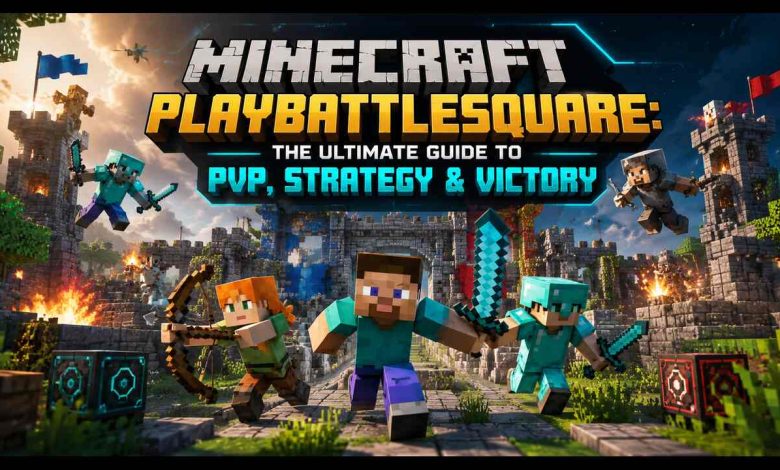
If you’ve been scrolling through Minecraft communities lately, chances are you’ve stumbled across the term “PlayBattleSquare.” It sounds like just another server name, but it actually points to something more specific: a fast-paced PvP minigame built around square arenas, quick rounds, and skill-based combat. Whether you’re a casual builder looking for a change of pace or a competitive player chasing your next challenge, this guide breaks down everything you need to know about Minecraft PlayBattleSquare what it is, how to join, how it works, and how to actually get good at it.
What Is Minecraft PlayBattleSquare?
At its core, PlayBattleSquare is a PvP minigame where players are dropped into a small, symmetrical square arena and forced into close-quarters combat. There’s no sprawling map to explore, no hours of resource gathering, and no downtime. Everything happens fast you spawn, you grab what gear is available, and you fight until only one player or team is left standing.
The square shape isn’t just a visual choice. It’s a design decision that keeps matches fair. Because the arena is symmetrical, no player spawns with a positional advantage over another, which makes outcomes depend far more on skill, timing, and decision-making than on luck or map geometry.
This minigame usually shows up as one mode among many on larger community servers, sitting alongside familiar formats like SkyWars, BedWars, and The Walls. It borrows the same “drop players into a contained space and let skill decide the winner” philosophy, but the square arena format gives it its own identity.
How the Game Works
A typical PlayBattleSquare round follows a clear rhythm. Players spawn on separate tiles or designated team zones around the edge of the arena. Each match starts with a short window to grab nearby loot weapons, armor pieces, food, or potions scattered across the square. After that, the fighting begins.
Rounds are timed, and many servers use a shrinking border to keep the action moving. As the safe zone shrinks, players are pushed closer together, which prevents matches from dragging on and forces confrontations that might otherwise be avoided. The last player or team standing wins the round.
Kits are usually fixed and modest by design. You might spawn with a sword or axe, a bow with a limited number of arrows, some basic armor, and one or two consumables like a golden apple or a splash potion. Because everyone starts on close to equal footing, the outcome comes down to how well you use what you’re given.
Common Game Modes
Minecraft PlayBattleSquare isn’t just one format most servers offer several variations to keep things interesting.
Solo free-for-all is the classic version, where every player fights for themselves and the last one alive takes the win. Team-based modes split players into two or more squads, rewarding coordination and communication as much as individual skill. Capture-the-flag variants add an objective layer on top of the combat, requiring players to balance offense, defense, and map awareness at the same time. Some servers also run tournament brackets, where players compete through elimination rounds for prizes or leaderboard recognition.
Each mode trains a slightly different skill set. Solo play sharpens your reflexes and one-on-one combat instincts, while team modes build communication and strategic thinking. Rotating between formats is one of the best ways to become a well-rounded player.
How to Join a Match
Getting into a PlayBattleSquare match is straightforward. On Java Edition, open Minecraft, select Multiplayer from the main menu, and add the server IP that hosts the minigame. Once you’re connected, look for a minigame lobby or menu most servers let you select Minecraft PlayBattleSquare directly from a list of available modes. Bedrock Edition players can do the same through the Servers tab, and cross-platform support means mobile, console, and PC players can often compete in the same matches.
Once you’re in the lobby, you’ll typically see a player count, the current mode, and sometimes a map vote. Ready up, wait for the countdown, and you’re in. Most matches last somewhere between ten and twenty minutes, depending on how aggressive or cautious the other players are.
Tips to Improve Your Game
Winning consistently in PlayBattleSquare comes down to a handful of habits that separate strong players from the rest.
Spend the first moments of a match gathering resources instead of rushing into a fight. Jumping into combat before you’re geared up is one of the fastest ways to get eliminated early. Once you do engage, focus on movement. Strafing, jumping, and unpredictable positioning make you a much harder target than standing still and trading hits.
Pay attention to power-ups and rare items on the map. A single strength potion or extra healing item can completely swing a fight in your favor, so it’s worth the risk to grab one when you see it. At the same time, don’t waste your best items in low-stakes moments save golden apples, splash potions, and other high-value gear for when you actually need them.
Map awareness matters just as much as combat skill. Learning the choke points, loot spawns, and vantage points of a given arena gives you a real edge, since you’ll know where fights are likely to happen and where you can safely retreat if a round turns against you. Finally, avoid camping in one spot. The shrinking border will eventually force a confrontation anyway, so it’s usually smarter to stay mobile and pick your fights on your own terms.
Hosting Your Own PlayBattleSquare Arena
If you run your own server, setting up PlayBattleSquare is a great way to add a competitive minigame without a huge amount of overhead. Hosts typically install a plugin or datapack that manages the arena, then configure spawn points, kit contents, round length, and respawn rules. Testing the arena with bots or a small group of friends before opening it to the public helps catch balance issues, like an item spawn that’s too strong or a choke point that favors one side.
Because the mode doesn’t rely on huge maps or complex mechanics, it’s relatively lightweight to maintain, which is part of why it has become a popular addition to community server minigame rotations.
Why Players Keep Coming Back
Part of the appeal of Minecraft PlayBattleSquare is how little commitment each match requires. You don’t need to build a base, manage hunger, or invest hours before you see any payoff. You queue up, fight, and either win or lose within minutes then you can jump straight into another round.
It also scales well for different kinds of players. Beginners can use it as low-pressure PvP practice, while more competitive players can chase leaderboard rankings, join tournaments, or organize scrimmages with friends. The format rewards genuine skill improvement, since fixed kits mean success comes from decision-making and mechanics rather than who spent the most time grinding for gear.
Final Thoughts: Minecraft PlayBattleSquare
Minecraft PlayBattleSquare distills the game’s combat down to its most exciting core: tight arenas, fair starting conditions, and matches that reward sharp reflexes and smart strategy. Whether you’re looking for a quick way to practice PvP, a new minigame to enjoy with friends, or a competitive ladder to climb, it’s worth adding to your rotation. Find a server that hosts it, spend some time learning the maps, and you’ll likely find yourself queuing up for “just one more round” more often than you planned.