
Choosing the Right Classroom Furniture: A Complete Guide to Quality, Comfort and Durability
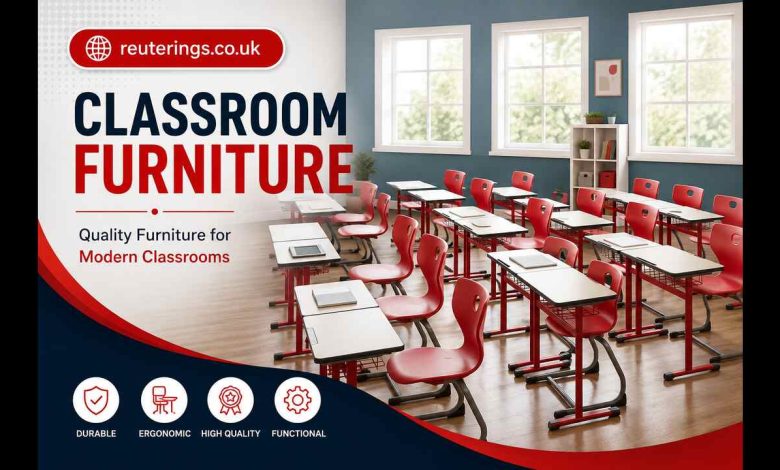
Walk into any well-run school and you will notice something before you even notice the lesson being taught. The chairs sit at the right height. The tables are steady, not wobbling under the weight of an elbow. The storage is tidy, the reading corner inviting, and there is a quiet sense that every piece of furniture has been chosen with a purpose. That is no accident. Every classroom, whether it belongs to a small village primary school or a large secondary academy, depends on furniture that is fit for purpose, safe, and built to last.
Choosing furniture for a classroom is rarely as simple as picking whatever looks good in a catalogue. It involves thinking about growing bodies, long school days, heavy daily use, tight budgets, and the practical realities of moving tables and chairs around dozens of times a week. It also means thinking several years ahead, since most classroom furniture is expected to survive not just one cohort of pupils but many, each with their own habits, energy levels and ways of using the space.
This guide walks through everything worth knowing before furnishing a classroom, from the materials that hold up best to the standards that protect pupils, and why the quality of the supplier you choose matters just as much as the furniture itself. Whether the task at hand is fitting out a brand new classroom from scratch or gradually replacing worn-out pieces in an older one, the same core principles apply: safety first, durability second, and comfort woven through every decision in between.
Why Classroom Furniture Deserves More Attention Than It Gets
It is easy to assume that classroom furniture is a background detail, something that simply needs to exist rather than something that needs careful thought. In reality, the furniture inside a classroom shapes how children learn, sit, concentrate and behave throughout the school day.
A classroom filled with the wrong sized chairs can leave younger pupils swinging their legs with no back support, while older students hunch over tables that sit too low for their frames. Over a school year, that adds up to hours of poor posture, restlessness and discomfort, all of which chip away at focus. Teachers who have spent years in the classroom will often say the same thing: when furniture is comfortable and appropriately sized, pupils settle faster and stay engaged for longer.
There is also the matter of appearance and atmosphere. A classroom with mismatched, scuffed or broken furniture can feel neglected, even if the teaching inside it is excellent. On the other hand, a classroom furnished with clean lines, coordinated colours and sturdy pieces immediately feels like a space where learning is taken seriously. For schools trying to make a strong first impression on prospective parents during open days, this detail carries more weight than most people expect.
Understanding Safety Standards for Classroom Furniture
Anyone furnishing a classroom in the UK should be aware of BS EN 1729, the British and European standard that governs classroom chairs and tables. This standard sets out sizing bands linked to a pupil’s height, ensuring that seating and table height are matched appropriately across different year groups. It also covers stability, structural strength and the general safety of furniture used daily by children.
While the standard is not legally mandatory, most reputable suppliers design and test their ranges against it, and schools are strongly advised to check for compliance before placing an order. Furniture that meets BS EN 1729 is less likely to tip, wobble or fail under the kind of repeated, energetic use a classroom sees every single day. It also reduces the risk of long-term postural problems in children who spend a significant portion of their week seated at a desk.
Beyond BS EN 1729, schools should also think about general safety features that make a genuine difference in a busy classroom:
- Rounded, bullnose edges on tables and shelving to prevent cuts and bruises
- Anti-tilt legs on chairs and storage units
- Tamper-resistant fixings so furniture cannot easily be taken apart by curious hands
- Non-toxic, low-VOC finishes, particularly important in early years classrooms
- Stable, weighted bases on any freestanding shelving or display units
A classroom that ticks these boxes is one where teachers can focus on teaching rather than worrying about accidents waiting to happen.
The Materials That Hold Up in a Real Classroom
Materials make or break classroom furniture. What looks smart on day one can fall apart within a term if it is not built for the reality of school life, which usually involves spilled paint, scraping chair legs, dragged tables and constant handling by dozens of children every day.
Tabletops: Are commonly made from moisture-resistant MDF or high-pressure laminate, often finished with ABS edging to prevent chipping. High-pressure laminate in particular resists scratches, heat and general wear far better than budget alternatives, making it a sensible long-term choice for any busy classroom.
Frames: For tables and chairs are typically constructed from welded steel, finished with a durable epoxy powder coating. This combination resists rust, chipping and the kind of everyday knocks a classroom inevitably produces. Steel frames also tend to hold their shape over years of use, unlike lower-grade metals that can bend or loosen at the joints.
Seating: Varies depending on age group and purpose, ranging from moulded polypropylene shells to upholstered soft seating for reading corners. Polypropylene is popular in classrooms because it is lightweight, easy to wipe clean, and holds up well to stacking and daily movement. Soft seating, meanwhile, needs to be covered in wipeable, fire-retardant fabric that can withstand spills without staining permanently.
Storage units: Benefit from moisture-resistant MDF or laminate construction, along with smooth-running drawers and secure shelving that will not sag under the weight of books and equipment.
Choosing quality materials from the outset almost always works out cheaper over time. A classroom chair built from certified, high-quality components can last well over a decade, whereas a cheaper, uncertified alternative may need replacing within a couple of years. When furniture wears out quickly, the cost of constant replacement, along with the disruption of removing and reordering, usually outweighs any saving made on the initial purchase.
Ergonomics and Comfort in the Classroom
Ergonomics is not a luxury consideration for classroom furniture; it is central to how well children learn. Health and safety guidance consistently points to poorly designed seating as a contributing factor in musculoskeletal discomfort, something that affects concentration just as much as physical wellbeing.
A well-designed classroom chair supports the natural curve of the spine, allows feet to rest flat on the floor, and keeps knees at a comfortable right angle. Tables, in turn, should sit at a height that allows forearms to rest naturally without hunching the shoulders. When chair and table heights are mismatched to a child’s size, even the best-planned lesson can be undermined by fidgeting, discomfort and a general loss of focus in the classroom.
Height-adjustable furniture has become increasingly popular for this reason. Rather than committing to fixed sizes that a classroom will eventually outgrow, adjustable tables and chairs can be resized as pupils grow, offering long-term flexibility without compromising comfort. This is particularly useful in mixed-age classrooms or schools working with limited budgets, where furniture needs to serve multiple year groups over its lifetime.
Essential Furniture Every Classroom Needs
A well-equipped classroom generally includes a mix of the following:
- Student seating and tables. Sized correctly for the relevant age group and BS EN 1729 compliant.
- Teacher’s desk or workstation. Offering secure storage for confidential materials and a practical base for lesson preparation.
- Storage units. Including shelving, trays and cupboards for books, equipment and pupil belongings.
- Presentation furniture. Such as whiteboards, easels or interactive display stands positioned for clear visibility.
- Soft seating or a reading corner. Encouraging quiet, independent reading and emotional regulation.
- Flexible or modular pieces. Such as stackable chairs and mobile tables on castors, allowing quick reconfiguration between individual and group work.
Each of these plays a distinct role in how a classroom functions day to day. Storage, for instance, is often underestimated, yet a cluttered classroom with nowhere to put books and materials quickly becomes harder to manage, both for pupils and for the teacher trying to keep the space organized.
It is also worth thinking about how these pieces work together rather than in isolation. A classroom might have excellent individual furniture, but if the storage is positioned awkwardly or the seating does not suit the way tables are grouped, the overall space can still feel disjointed. Walking through a typical school day, from morning registration to group activities, quiet reading time and practical lessons, can help identify exactly which pieces a particular classroom needs most, rather than defaulting to a standard list that may not reflect how the room is actually used.
Younger classrooms, for example, often benefit from lower, more open storage that pupils can access independently, encouraging a sense of responsibility for tidying away their own materials. Older pupils, by contrast, may need more structured storage for textbooks, exercise books and personal belongings, along with desks that offer a degree of privacy during independent work or assessments.
Flexible and Modular Layouts for Modern Teaching
Teaching styles have shifted considerably over the past decade, and classroom furniture has had to keep pace. Where once a classroom might have been arranged in fixed rows facing the front, many schools now favour flexible layouts that support group work, collaborative projects and quick transitions between activities.
Mobile tables on lockable castors, stackable chairs, and modular storage that can be rearranged in minutes all support this shift. A classroom furnished this way can move from a whole-class lesson to small group discussion to independent work within the space of a single hour, without teachers needing to physically drag heavy furniture across the room.
This flexibility also extends to specialist spaces within a school. Laboratory classrooms benefit from height-adjustable benches and durable, chemical-resistant surfaces, while art classrooms need washable, hard-wearing tabletops that can handle paint, glue and general mess. Matching furniture to the specific demands of each classroom, rather than applying a one-size-fits-all approach, tends to produce far better long-term results.
Durability Versus Cost: Making a Smart Investment
Budget pressures are a constant reality for schools, and it can be tempting to choose the cheapest available option when furnishing a classroom. However, durability should be judged over the full lifespan of a product, not just its initial price tag.
A certified, well-built classroom chair typically lasts ten to fifteen years under normal daily use. A cheaper, non-certified alternative may need replacing within one to three years once joints loosen, coatings wear away or plastic components crack under repeated stress. When the cost of frequent replacement, delivery and disposal is factored in, higher-quality furniture is usually the more economical choice over time.
It helps to ask a few practical questions before committing to any classroom furniture order:
- What warranty does the supplier offer, and does it reflect genuine confidence in the product’s durability?
- Are the materials certified against recognized UK and European standards?
- How does the frame construction compare between different suppliers, particularly around welding and coating quality?
- Does the supplier offer bulk discounts or flexible payment options for larger classroom refurbishments?
Taking the time to compare these details before purchase can save a school significant money and disruption further down the line.
The Value of Quality Service When Furnishing a Classroom
Furniture itself is only half of the equation. The service that comes with it, from initial consultation through to delivery and installation, has a direct impact on how smoothly a classroom project goes.
A supplier that offers a genuine space planning and design service can help a school make the most of a classroom’s dimensions, avoiding awkward layouts or wasted space. This is particularly valuable when refurbishing an older classroom with unusual proportions or fixed features like radiators and built-in cupboards that need to be worked around.
Delivery timing also matters more than many people realize. Classroom furniture ideally needs to arrive and be installed outside of term time, whether that is during the summer holidays or a half-term break, to avoid disrupting lessons. A supplier with experience in the education sector will usually understand this and plan accordingly, rather than treating a school order the same as any other commercial delivery.
Aftercare is another area worth checking before committing to a supplier. Furniture in a classroom inevitably takes knocks over the years, and a supplier who offers replacement parts, repair support or clear warranty terms makes ongoing maintenance far simpler. Resources such as those found on Reuterings often highlight this exact point: the long-term relationship with a supplier can matter just as much as the initial purchase, particularly for schools planning to expand or refurbish multiple classrooms over several years.
Maintaining Classroom Furniture for the Long Term
Even the best-built furniture needs a degree of ongoing care to reach its full lifespan. A few simple habits can make a noticeable difference to how long classroom furniture stays in good condition:
- Wipe down tabletops and chairs regularly using appropriate, non-abrasive cleaning products
- Check chair and table joints periodically for looseness, tightening fixings where needed
- Encourage pupils to lift rather than drag chairs and tables, reducing wear on legs and flooring
- Rotate storage contents occasionally to avoid excessive weight sitting in one spot for years
- Report and repair minor damage promptly, before it develops into a larger structural issue
Schools that build these small checks into their regular maintenance routine tend to get noticeably more use out of their classroom furniture, delaying the need for costly replacement.
It also helps to involve pupils in looking after their own classroom furniture, particularly in primary settings. Simple routines, such as pushing chairs in neatly at the end of the day or reporting a wobbly table leg to a teacher, teach a sense of shared responsibility for the space while also acting as an early warning system for minor issues before they become bigger repairs. Over a full academic year, these small habits add up to noticeably less wear across an entire classroom.
Termly or annual furniture audits are another practical step many schools find useful. Walking through each classroom with a simple checklist, noting anything loose, damaged or close to the end of its usable life, makes budgeting for replacements far more predictable than reacting to sudden breakages throughout the year.
Creating a Comfortable, Inclusive Classroom Environment
Beyond safety and durability, furniture plays a quiet but important role in making a classroom feel welcoming to every pupil. This includes thinking about pupils with additional needs, who may require adjustable seating, wider desk spacing for mobility aids, or quieter, softer areas away from general classroom noise.
A thoughtfully furnished classroom also tends to support better behavior overall. Pupils who are comfortable, appropriately seated and given some flexibility in how they work are generally more settled than those squeezed into furniture that does not fit them properly. Small design choices, from softer seating in a reading corner to accessible storage at a child’s height, all contribute to a classroom that feels genuinely built around the pupils using it, rather than furniture chosen purely for convenience.
Final Thoughts on Furnishing a Classroom
Furnishing a classroom well is about far more than filling a room with tables and chairs. It involves understanding safety standards, choosing materials that can withstand years of daily use, prioritizing ergonomics, and working with a supplier who understands the particular demands of a school environment. Every decision, from the frame construction of a chair to the flexibility of a table layout, feeds into how comfortably and effectively a classroom functions day to day.
Schools that take the time to research materials, check for BS EN 1729 compliance, and choose suppliers offering genuine design support and aftercare tend to end up with classrooms that serve pupils well for many years, rather than needing constant repair or replacement. As guides like those on Reuterings often point out, the smartest classroom investment is rarely the cheapest one on paper. It is the one built to last, backed by a supplier who understands exactly what a working classroom needs.
Read-interesting-Information-About-Blogs-Entertainment-At: reuterings.co.uk