Best Mazamorra Morada Near Me: A Local’s Guide to Peru’s Purple Corn Pudding
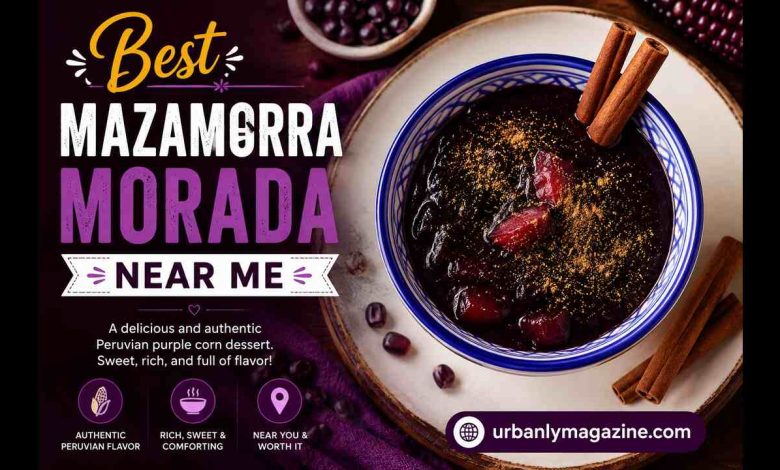
If you’ve typed “best mazamorra morada near me” into your phone at least once, you’re already part of a growing group of people discovering one of Peru’s most comforting desserts. This deep purple pudding, thickened with purple corn and spiced with cinnamon and cloves, has quietly become a favorite among people who love Latin American food, and it’s showing up on more menus outside of Peru every year.
This guide walks through what mazamorra morada actually is, what separates a mediocre bowl from a memorable one, and how to track down a genuinely good version wherever you happen to be. Whether you’re a longtime fan looking for a new spot or you’ve never tasted it before, you’ll leave with a clear sense of what to look for and where to find it.
What Is Mazamorra Morada?
Mazamorra morada is a traditional Peruvian dessert made by boiling purple corn (maíz morado) with pineapple rind, apples, cinnamon sticks, and cloves until the liquid turns a deep violet color. The strained liquid is then thickened with cornstarch and sweetened, often with additional fruit like dried apricots, prunes, or quince, and finished with a touch of lime juice.
The result is a thick, glossy, jelly-like pudding somewhere between a fruit compote and a custard. It’s typically served chilled or at room temperature, sometimes on its own and sometimes layered with arroz con leche (rice pudding) in a combination locals call “combinado.”
Purple corn itself is the star ingredient. Grown mainly in the Peruvian Andes, it’s rich in anthocyanins, the same antioxidant compounds that give blueberries and red cabbage their color. This isn’t just a pretty dessert; it carries centuries of culinary history, with roots that trace back to pre-Columbian Peru.
Where the Name Comes From
“Mazamorra” refers to a family of thick, porridge-like dishes found across Latin America, and “morada” simply means purple in Spanish. Variations of mazamorra exist in Colombia, Venezuela, and other countries, but the purple corn version is distinctly Peruvian and has become something of a national symbol, alongside dishes like ceviche and lomo saltado.
Why People Search for the Best Mazamorra Morada Near Me
Mazamorra morada isn’t something most people grow up eating outside of Peru, which means demand is concentrated but genuine. Common reasons people go looking for it include:
- Craving a taste of home for Peruvian expats and their families
- Curiosity after trying it at a Peruvian restaurant for the first time
- Looking for naturally dye-free, dairy-free dessert options
- Wanting something different for a dinner party or cultural food night
- Following recommendations from food blogs, TikTok, or Instagram
Because it’s a niche dish outside of Peru, quality varies a lot from one restaurant to another. Knowing what to look for makes the search much easier.
What Makes a Great Bowl of Mazamorra Morada
Not all mazamorra morada is created equal. Some versions taste like little more than sweetened cornstarch with purple food coloring, while others carry real depth of flavor. Here’s what separates the two.
1. Real Purple Corn, Not Artificial Color
Authentic mazamorra morada gets its color entirely from boiled purple corn cobs, not dye. A version made with the real ingredient has a slightly earthy, almost wine-like undertone that artificially colored versions simply don’t have. If a restaurant’s mazamorra tastes flat or overly sweet with no complexity, artificial color and shortcuts are often the reason.
2. Balanced Spice
Cinnamon and cloves should be present but not overpowering. A well-made batch has warmth without tasting like mulled wine or pumpkin spice. If you can pick out one spice dominating the bowl, it’s usually a sign of an unbalanced recipe.
3. The Right Texture
Good mazamorra morada should be thick enough to hold its shape on a spoon but still smooth and glossy, not gluey or grainy. Overcooked cornstarch turns the pudding rubbery, while undercooked versions taste starchy and thin.
4. Fruit That Adds, Not Distracts
Dried apricots, prunes, or quince pieces should be soft and well-integrated, adding little pockets of sweetness and texture. Some recipes also include diced fresh pineapple or apple for brightness. If the fruit tastes canned or overly processed, that’s a red flag.
5. Proper Sweetness Level
Traditional mazamorra morada is moderately sweet, letting the spice and fruit come through. Versions that taste like straight sugar syrup usually indicate a recipe built for speed rather than flavor.
How to Find the Best Mazamorra Morada Near Me
Finding a good bowl comes down to knowing where to look and how to evaluate a place before you order. Here’s a practical approach.
Search Peruvian Restaurants First
Mazamorra morada is a staple dessert at most authentic Peruvian restaurants, so this is the most reliable starting point. Look specifically for restaurants that describe themselves as Peruvian rather than general “Latin fusion,” since fusion spots are less likely to carry traditional desserts.
When searching, try variations like:
- “Peruvian restaurant near me”
- “Peruvian desserts near me”
- “mazamorra morada delivery”
- “Peruvian bakery near me” (panaderías often sell it by the cup)
Check Peruvian Bakeries and Cafés
Peruvian bakeries, sometimes listed as “panadería peruana,” frequently sell mazamorra morada in individual cups alongside pastries like alfajores and empanadas. These spots are often cheaper and more casual than sit-down restaurants, and the desserts tend to turn over quickly, meaning fresher batches.
Look at Delivery Apps With Filters
Apps like Uber Eats, DoorDash, and Grubhub let you filter by cuisine type. Selecting “Peruvian” and scanning dessert sections is often faster than browsing individual restaurant websites. Reading recent reviews specifically mentioning mazamorra morada (rather than the restaurant in general) gives a more accurate read on quality.
Visit Latin American Grocery Stores
Some Latin American markets sell house-made or locally sourced mazamorra morada in the prepared foods section, particularly in neighborhoods with a strong Peruvian community. These versions are often made in small batches, which tends to mean better quality control than mass-produced options.
Ask in Local Peruvian Community Groups
Facebook groups, Reddit threads, and local Latin American community pages are useful for getting real recommendations rather than relying purely on star ratings. Peruvian expats tend to be vocal about where the “real” version is served versus where it’s a diluted, Americanized take.
Attend Peruvian Food Festivals
Cities with sizable Peruvian populations often host food festivals or cultural fairs where multiple vendors serve traditional desserts side by side. These events are a good way to sample several versions in one visit and figure out whose style you prefer before committing to a regular spot.
Mazamorra Morada vs. Other Peruvian Desserts
If you’re new to Peruvian food, it helps to know how mazamorra morada compares to other common desserts you might see on the same menu.
| Dessert | Main Ingredient | Texture | Flavor Profile |
|---|---|---|---|
| Mazamorra Morada | Purple corn | Thick, pudding-like | Spiced, fruity, mildly sweet |
| Arroz con Leche | Rice, milk | Creamy, soft | Sweet, vanilla, cinnamon |
| Suspiro a la Limeña | Dulce de leche, meringue | Silky, layered | Very sweet, caramel-forward |
| Picarones | Squash, sweet potato dough | Fried, chewy | Sweet with syrup drizzle |
Many restaurants serve mazamorra morada and arroz con leche together in the same bowl, a combination sometimes just called “combinado” on menus. If you’re trying it for the first time, this pairing is a good way to compare the two textures and flavors side by side.
Is Mazamorra Morada Healthy?
It’s a dessert, so it’s not exactly diet food, but it does have a few things going for it compared to typical sugary desserts.
- Antioxidants: Purple corn contains high levels of anthocyanins, compounds linked to anti-inflammatory and antioxidant effects in several nutrition studies.
- Naturally gluten-free: Since it’s thickened with cornstarch rather than flour, it’s suitable for people avoiding gluten.
- Often dairy-free: Traditional recipes don’t call for milk or cream, making it a reasonable option for people with lactose intolerance, though it’s worth confirming with the restaurant since some modern variations add condensed milk.
- Fruit-based sweetness: A portion of the sweetness comes from dried fruit rather than refined sugar alone, though sugar is still added during cooking.
As with any dessert, portion size matters more than any individual health claim. A small cup after a meal is a very different thing than a large bowl on its own.
Best Occasions to Order Mazamorra Morada
While it’s enjoyed year-round in Peru, there are a few contexts where it tends to show up most.
- October, during Señor de los Milagros celebrations: Mazamorra morada is closely associated with this major religious and cultural festival in Lima, where purple is the dominant color of the season.
- Family gatherings and Sunday lunches: It’s a common home-cooked dessert served after a big midday meal.
- Peruvian restaurant tasting menus: Many restaurants include it as a lighter, palate-cleansing option compared to richer desserts like suspiro a la limeña.
- Potlucks and cultural food nights: Because it travels well in individual cups, it’s a popular contribution to shared meals.
If you’re searching for the best mazamorra morada near me in October specifically, expect more restaurants to feature it as a seasonal special, sometimes with slight variations tied to the Señor de los Milagros celebration.
How to Order It Like You Know What You’re Talking About
If you want to sound informed when ordering or asking questions at a restaurant, a few useful terms:
- Maíz morado: Purple corn, the base ingredient
- Combinado: Mazamorra morada served together with arroz con leche
- Chicha morada: A closely related purple corn drink, not to be confused with the dessert, though they share the same base ingredient
- Panadería: Bakery, a good place to find individual cups of mazamorra morada
Asking whether the restaurant makes it in-house versus sourcing it from a supplier is a fair question and often tells you a lot about freshness and quality.
Making Mazamorra Morada at Home vs. Buying It
If you can’t find a restaurant nearby, making it at home is realistic, though it does take time. Here’s a rough sense of what’s involved.
What you’ll need:
- Dried purple corn (usually found in Latin American grocery stores or online)
- Pineapple rind and diced fresh pineapple
- Apples
- Cinnamon sticks and whole cloves
- Dried apricots, prunes, or quince
- Cornstarch
- Sugar
- Lime juice
General process:
- Boil the purple corn with pineapple rind, cinnamon, and cloves for around an hour to extract color and flavor.
- Strain the liquid, discarding the solids.
- Return the liquid to the pot, add diced fruit and sugar, and simmer.
- Dissolve cornstarch in cold water and stir it in gradually to thicken the mixture.
- Finish with a splash of lime juice and let it cool before serving chilled.
The process is straightforward but does require sourcing dried purple corn, which isn’t available everywhere outside Latin American markets or specialty online retailers. For a first taste, ordering from an established restaurant is usually the easier route, and it gives you a benchmark to compare against if you decide to try making it yourself later.
Tips for Evaluating a New Spot
Before committing to a full order, a few small checks can save you from a disappointing bowl:
- Ask if the mazamorra morada is made fresh in-house or delivered from an outside supplier.
- Check if the color looks deep and slightly matte rather than glossy and artificially bright, which can indicate added dye.
- Look for visible pieces of dried fruit rather than a completely smooth, uniform texture.
- Read recent reviews mentioning the dessert specifically, not just the restaurant’s entrées.
- If ordering delivery, check whether the dish travels well; some versions separate or become watery after sitting for a while.
Frequently Asked Questions
What does mazamorra morada taste like?
It tastes lightly spiced and fruity, with warm notes of cinnamon and clove, a subtle tartness from lime juice, and natural sweetness from dried fruit. The purple corn itself contributes a mild, slightly earthy flavor rather than anything overly strong.
Is mazamorra morada the same as chicha morada?
No. Chicha morada is a drink made from the same purple corn base, while mazamorra morada is a thickened dessert. Some restaurants make both from a shared batch of boiled purple corn, but they’re served and eaten differently.
Where can I find mazamorra morada near me?
Peruvian restaurants, Peruvian bakeries, Latin American grocery stores, and delivery apps filtered by Peruvian cuisine are the most reliable places to start. Community recommendations from local Peruvian groups are also a strong resource for finding lesser-known spots.
Is mazamorra morada served hot or cold?
It’s almost always served cold or at room temperature, similar to a pudding or gelatin dessert. Serving it warm is uncommon and not traditional.
Can I find mazamorra morada if I have dietary restrictions?
Traditional recipes are naturally gluten-free and typically dairy-free, making it a reasonable option for people avoiding those ingredients. It’s still worth confirming directly with the restaurant, since recipes can vary and some modern versions add milk-based ingredients.
How long does mazamorra morada last in the fridge?
Homemade or freshly prepared mazamorra morada generally keeps well for three to four days when stored in an airtight container in the refrigerator. Flavor and texture are usually best within the first two days.
Final Thoughts
Mazamorra morada is one of those dishes that rewards a bit of searching. A rushed, mass-produced version can taste flat and overly sweet, while a well-made bowl carries real depth from real purple corn, balanced spice, and good fruit. The best way to find it is to start with authentic Peruvian restaurants and bakeries in your area, check for signs of fresh, in-house preparation, and lean on reviews or community recommendations when you’re not sure.
Next time you search for the best mazamorra morada near me, you’ll know exactly what questions to ask and what to look for in the bowl in front of you, whether you’re a longtime fan or trying it for the very first time.
Read interesting Information About Blogs, Entertainment At: reuterings.co.uk