Papa Rellena: The Stuffed Potato Dish Every Food Lover Should Know
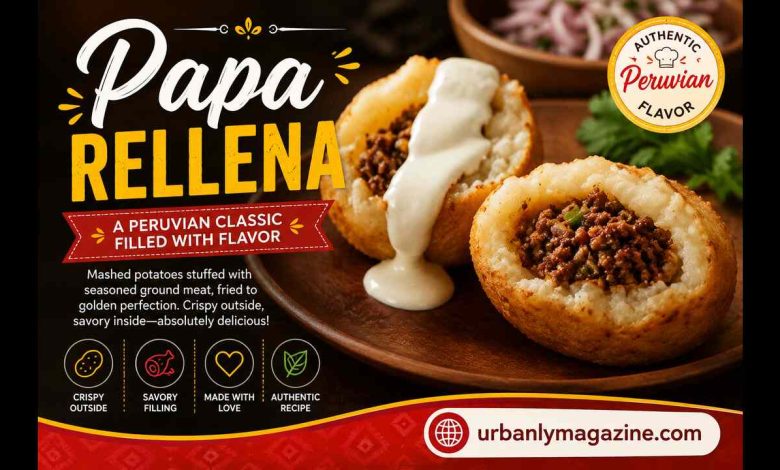
There’s a certain kind of dish that manages to be humble and impressive at the same time. Papa rellena is exactly that. A golden, crispy shell gives way to a soft mashed potato exterior, and at its center sits a warm, savory filling of seasoned beef, onions, olives, and hard-boiled egg. One bite tells you this isn’t just fried food it’s comfort food with a history.
Papa rellena, which translates literally to “stuffed potato,” is a staple across Peru and much of Latin America. It shows up at family gatherings, street food carts, and restaurant menus, and it’s increasingly finding its way onto plates far beyond South America. If you’ve never made it or even tasted it, this guide will walk you through everything worth knowing: what it is, where it comes from, how it’s made, the regional variations, and how to get the texture and flavor right at home.
What Is Papa Rellena?
Papa rellena is a stuffed potato ball or patty made from mashed potatoes formed around a savory filling, then breaded or left plain and deep-fried until the outside turns crisp and golden. The inside stays soft, almost creamy, contrasting nicely with the crunchy shell.
The most traditional filling is called picadillo ground beef cooked with onions, garlic, cumin, and often a touch of aji amarillo (Peruvian yellow chili) for warmth and color. Chopped hard-boiled egg, raisins, and green olives are common additions that give the filling a slightly sweet, salty, and briny balance all at once.
At its core, papa rellena sits somewhere between a croquette and a dumpling. Unlike a croquette, which usually has a thin coating over a soft filling, papa rellena uses mashed potato as both the wrapper and the main structural element. That’s what gives it its distinct bite: crisp on the outside, dense and smooth in the middle, then a burst of seasoned meat at the center.
Where Does Papa Rellena Come From?
Papa rellena is most closely associated with Peruvian cuisine, a food culture shaped heavily by the potato itself. Peru is home to thousands of native potato varieties, and the potato has been cultivated in the Andes for thousands of years. It makes sense that a dish built entirely around potato as the primary ingredient would emerge from a region where the vegetable holds such deep culinary and cultural importance.
While Peru is generally credited as the origin point, similar stuffed potato dishes appear across Latin America under different names and with regional twists:
- Colombia and Venezuela – papa rellena is popular street food, often slightly smaller and sometimes served with a spicy or creamy sauce on the side.
- Chile – there’s a close cousin, but preparations can vary in seasoning and size.
- Cuba – a version exists as well, often influenced by Cuban spice profiles and sometimes made with a different meat blend.
- Ecuador and Bolivia – regional versions appear at markets, often paired with a side salad or pickled onions.
This spread across the continent isn’t surprising. Potatoes travel well, mashed potato is inexpensive to stretch a meal, and stuffing it with meat turns a simple starch into a complete, portable dish ideal for markets, festivals, and family tables alike.
What Does Papa Rellena Taste Like?
If you’ve never had one, imagine a warm mashed potato pancake with a crisp fried crust, and inside, a rich, slightly sweet-and-savory beef filling with pops of salty olive and rich egg yolk. The potato itself is usually mild, sometimes seasoned lightly with salt, egg, and a bit of flour or cornstarch to help it hold shape during frying.
The filling is where the real flavor lives. A well-made picadillo balances:
- Savory from the beef and sautéed onion and garlic
- Earthy warmth from cumin and sometimes aji amarillo paste
- Sweetness from raisins, which soften and plump during cooking
- Brininess from green olives
- Richness from chopped hard-boiled egg
The result is a dish that feels indulgent without being heavy, and satisfying without being overly rich, especially when served with a light side like a fresh salsa criolla (a Peruvian onion and lime salad) to cut through the fried exterior.
Papa Rellena Ingredients: What You’ll Need
A traditional papa rellena recipe uses two main components: the potato shell and the filling. Here’s a breakdown of what typically goes into each.
For the Potato Shell
- Russet or another starchy potato variety
- Egg (helps bind the mash)
- Salt and pepper
- A small amount of flour or cornstarch (optional, helps with structure and frying)
Starchy potatoes are preferred because they mash into a drier, fluffier texture that holds its shape better when formed into a ball or patty. Waxy potatoes tend to stay too moist, which can make the shell fall apart during frying.
For the Picadillo Filling
- Ground beef (or a beef and pork blend in some regional variations)
- Yellow onion, finely chopped
- Garlic, minced
- Ground cumin
- Aji amarillo paste (or a mild chili paste substitute)
- Raisins
- Green olives, chopped
- Hard-boiled eggs, chopped
- Salt and black pepper
- A splash of beef broth or water to keep the filling moist
Some home cooks also add a pinch of paprika or a small amount of tomato paste for color and depth, though this varies by family and region.
How Papa Rellena Is Made: Step-by-Step Overview
While the exact method can vary from kitchen to kitchen, the general process follows a consistent structure.
Step 1: Cook and Mash the Potatoes
Potatoes are boiled until fork-tender, then drained thoroughly and mashed while still warm. Excess moisture is the enemy here a wet mash will be difficult to shape and prone to falling apart in hot oil. Many cooks let the mashed potato rest and cool slightly before working with it, which helps firm it up.
Step 2: Prepare the Filling
The onion and garlic are sautéed until soft, then the ground beef is browned and seasoned with cumin, aji amarillo paste, salt, and pepper. Once the meat is cooked through, raisins, chopped olives, and hard-boiled egg are folded in. The mixture is cooled before assembly, since a hot filling makes the potato shell harder to shape.
Step 3: Assemble
A portion of mashed potato is flattened in the palm of the hand, a spoonful of filling is placed in the center, and the potato is folded and shaped around it typically into an oval or egg shape, though round patties are also common. The seams are smoothed to make sure the filling is fully sealed inside.
Step 4: Fry
The formed papa rellena is deep-fried in hot oil, usually around 350°F (175°C), until the exterior is golden brown and crisp. Because the filling is already cooked, frying is mainly about developing color and texture on the outside and warming the interior through.
Step 5: Serve
Papa rellena is typically served warm, often with:
- Salsa criolla (thinly sliced red onion, lime juice, cilantro, and a touch of chili)
- Aji sauce for extra heat
- A simple side salad
- Rice, for a more filling meal
Is Papa Rellena Fried or Baked?
Traditionally, papa rellena is deep-fried. That’s what gives it the signature crisp shell that contrasts with the soft potato interior. However, baked and air-fried versions have become common among people looking for a lighter alternative.
Baking typically requires brushing the shaped potato balls with oil or an egg wash and baking at a high temperature (around 400°F) until golden, flipping halfway through. Air frying works similarly, using a light coating of oil and a shorter cooking time.
The trade-off is texture. Frying produces a crisper, more even crust because the potato is fully submerged in hot oil, cooking on all sides at once. Baking and air frying can still produce good results, but the crust tends to be slightly less crisp and more prone to uneven browning.
Common Variations of Papa Rellena
While beef picadillo is the classic filling, papa rellena is flexible, and many cooks adapt it based on regional preference or what’s available.
Chicken Papa Rellena
A lighter alternative using shredded or ground chicken instead of beef, seasoned similarly with onion, garlic, and cumin.
Cheese-Stuffed Papa Rellena
Popular in some households and increasingly common at restaurants, this version swaps or supplements the meat filling with melted cheese for a gooey center.
Vegetarian Papa Rellena
Made with a filling of sautéed mushrooms, vegetables, or beans in place of meat, seasoned with the same warm spice profile to keep the flavor familiar.
Seafood Papa Rellena
Found in some coastal regions of Peru, this version uses shrimp or fish in the filling instead of beef, often with a touch of lime and cilantro.
Sweet Potato Papa Rellena
A less traditional but growing variation that uses mashed sweet potato instead of regular potato, adding natural sweetness that pairs well with a savory beef or chicken filling.
Papa Rellena vs. Similar Dishes: What’s the Difference?
Because stuffed and fried foods exist in many cuisines, papa rellena is sometimes confused with similar dishes. Here’s how it compares.
Papa rellena vs. croquettes: Croquettes are usually made from a béchamel or thick paste base (like ham croquettes or potato croquettes) that’s breaded and fried. Papa rellena skips the breading in most traditional recipes and uses potato itself as the outer shell, giving it a denser, more substantial bite.
Papa rellena vs. empanadas: Empanadas use a dough or pastry shell, while papa rellena uses mashed potato. The filling concept is similar often a beef picadillo but the texture and cooking method differ. Empanadas can be baked or fried, while papa rellena is almost always fried.
Papa rellena vs. arepas rellenas: Arepas are made from corn dough, not potato, and are typically split and stuffed rather than fully enclosing the filling. Papa rellena fully encases its filling inside the potato shell.
Knowing these distinctions matters if you’re ordering at a Latin American restaurant and want to know exactly what you’re getting, since menus don’t always explain the difference.
Nutritional Overview
Papa rellena is a filling dish, and its nutritional profile reflects that. While exact numbers vary based on size and preparation method, a typical papa rellena (roughly the size of a large egg) generally contains:
- Moderate to high calories, largely from the potato base and frying oil
- A meaningful amount of protein from the beef and egg filling
- Carbohydrates primarily from the potato shell
- Fat content that increases significantly with deep frying compared to baking or air frying
For those watching calorie or fat intake, baking or air frying is a reasonable substitution that preserves most of the flavor while reducing oil absorption. Portion size also matters papa rellena is often eaten as a snack or appetizer rather than a full meal, though it’s hearty enough to serve as one when paired with a side salad or rice.
Tips for Making Papa Rellena at Home
A few practical details make a noticeable difference in how well papa rellena turns out.
- Dry your mashed potatoes well. Excess moisture is the most common reason papa rellena falls apart during frying. Letting the potatoes steam-dry briefly after draining, before mashing, helps.
- Cool the filling completely before assembly. Warm filling softens the potato shell and makes it harder to shape cleanly.
- Chill the formed potato balls for 15–20 minutes before frying. This firms up the shell and reduces the risk of it breaking apart in hot oil.
- Keep the oil temperature steady. Oil that’s too cool leads to greasy, soggy results; oil that’s too hot browns the outside before the inside is properly warmed.
- Don’t overstuff. A generous filling is good, but too much makes sealing the potato shell difficult and increases the chance of it bursting open during frying.
- Use a light hand with added starch. A small amount of flour or cornstarch helps binding, but too much can make the shell dense or gummy rather than fluffy.
Where to Find Papa Rellena
Papa rellena is widely available at Peruvian and other Latin American restaurants, especially those specializing in street food-style menus. It’s also commonly found at:
- Peruvian bakeries and panaderías, often sold alongside empanadas
- Food trucks and street vendors in cities with strong Latin American communities
- Latin American grocery stores, sometimes sold frozen for home frying
- Family-run restaurants that serve traditional home-style dishes rather than fusion menus
If you’re new to trying it, ordering from a restaurant that specializes in Peruvian cuisine specifically (rather than a general Latin American menu) tends to offer the most traditional version, with a well-seasoned picadillo and a properly crisp shell.
Frequently Asked Questions About Papa Rellena
What does “papa rellena” mean in English? It translates directly to “stuffed potato.” The name describes the dish exactly as it is: a potato shell filled with a savory mixture, usually seasoned ground beef.
Is papa rellena Peruvian or Colombian? Papa rellena is most strongly associated with Peru, where it’s considered a traditional comfort food. However, similar versions are popular in Colombia, Venezuela, Ecuador, and other Latin American countries, each with slight variations in seasoning and preparation.
What is the filling in papa rellena usually made of? The classic filling, called picadillo, is made from seasoned ground beef, onion, garlic, cumin, raisins, chopped green olives, and hard-boiled egg. Chicken, cheese, or vegetarian fillings are common alternatives.
Can papa rellena be made ahead of time? Yes. The potato balls can be fully assembled and refrigerated for up to a day before frying, or frozen for longer storage. Frying from frozen usually requires a slightly longer cooking time and a lower oil temperature to make sure the inside heats through without burning the outside.
Is papa rellena served hot or cold? It’s almost always served hot, right after frying, when the shell is at its crispest and the filling is warm.
What sauce goes with papa rellena? Salsa criolla, a mix of thinly sliced onion, lime juice, and sometimes cilantro and chili, is the most traditional pairing. Aji sauce, a Peruvian chili condiment, is also commonly served alongside for extra heat.
Can you make papa rellena without frying? Yes. Baking or air frying are common alternatives that reduce oil content, though the texture will be slightly less crisp than the traditional deep-fried version.
Is papa rellena gluten-free? In its traditional form, yes, since the shell is made from potato and the filling doesn’t typically include flour or bread. However, some recipes add a small amount of flour to the mash, so it’s worth checking a specific recipe or asking about ingredients if you have a gluten sensitivity.
Final Thoughts
Papa rellena earns its place as a beloved dish because it does something simple exceptionally well: it takes an everyday ingredient and turns it into something worth seeking out. The contrast between the crisp fried shell and the soft, savory center is what keeps people coming back to it, whether they grew up eating it at family gatherings or discovered it for the first time at a food truck.
Whether you’re making it at home for the first time or ordering it at a Peruvian restaurant, understanding what goes into papa rellena the ingredients, the technique, and the regional variations makes it easier to appreciate exactly why this stuffed potato dish has held onto its popularity for generations, and why it continues to earn new fans well beyond its South American roots.
Read interesting Information About Blogs, Entertainment At:reuterings.co.uk