
Planning Longer Cycling Adventures: What to Look for in an E-Bike for Extended Rides
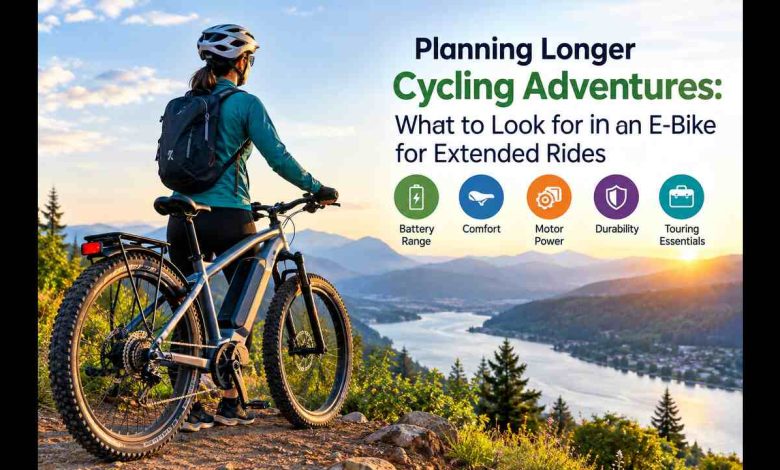
Long-distance cycling can be a rewarding way to explore new places, enjoy scenic routes, and spend more time outdoors. However, extended rides require more preparation than a short daily commute. Choosing the right e-bike can make a significant difference, particularly when it comes to battery range, comfort, reliability, and carrying capacity.
Whether you are planning a weekend cycling trip, a countryside adventure, or a multi-day touring route, understanding the key features of an e-bike can help you select a model that suits your riding style and journey.
Why E-Bike Choice Matters for Longer Rides
An e-bike designed for short urban journeys may not provide everything needed for extended cycling adventures. Long-range trekking e-bikes can be particularly suitable for rides involving changing terrain, variable weather, steep climbs, and many hours in the saddle.
A suitable touring e-bike should provide a practical combination of range, comfort, stability, and dependable performance. Rather than focusing on a single specification, consider how the bike’s different components work together for the type of journey you have planned.
Battery Capacity and Real-World Range
Battery range is one of the most important considerations when choosing an e-bike for long-distance cycling. A larger battery can provide more available energy, but the advertised range should not be treated as a guaranteed distance.
Actual range can be affected by several factors, including rider weight, terrain, wind, tire pressure, riding mode, temperature, and how frequently the motor assists the rider.
If you regularly plan extended journeys, look for an e-bike with a battery capacity that matches your expected distance. Some riders may also benefit from a removable battery or a dual-battery setup, particularly when access to charging points is limited.
Motor Performance for Different Terrain
The motor is another important consideration, especially if your routes include hills or uneven terrain. Motor characteristics such as torque can be particularly relevant when climbing steep roads or carrying additional equipment.
For touring, smooth and predictable assistance can be more useful than simply choosing the highest possible power rating. A well-matched motor should provide enough support for your usual terrain without unnecessarily increasing energy consumption.
Comfort for Extended Hours in the Saddle
Comfort becomes increasingly important as riding distances increase. Features that may seem minor during a short trip can have a major impact over several hours.
Look for an e-bike with an appropriate riding position, comfortable saddle, ergonomic handlebars, and suitable grips. Suspension can also be helpful when riding on rough roads or mixed surfaces, although the ideal setup depends on the type of terrain you expect to encounter.
Correct frame sizing is equally important. A properly fitted bike can help reduce unnecessary strain and make long-distance riding more enjoyable.
Choosing the Right Tires
Tires have a direct effect on comfort, traction, and stability. For primarily paved touring routes, efficient tires designed for road or mixed-surface use may be appropriate. If your adventure includes gravel paths, rough tracks, or varied surfaces, wider tires with suitable tread can provide additional grip and stability.
It is also worth considering puncture protection when planning longer rides. A puncture far from home or a repair shop can quickly turn a pleasant cycling adventure into a difficult experience.
Carrying Capacity and Touring Equipment
Extended rides often require more equipment than everyday cycling. You may need to carry clothing, food, water, tools, chargers, navigation equipment, or camping gear.
Before purchasing an e-bike, check whether it is compatible with pannier racks, baskets, frame bags, or other luggage systems. A sturdy rear rack can be particularly useful for touring because it allows you to distribute equipment without placing everything on your back.
When carrying additional weight, make sure the bike’s overall load limits are suitable for both the rider and the equipment.
Braking and Safety Features
Reliable braking is essential on longer rides, particularly when routes include steep descents or when the bike is loaded with luggage.
Hydraulic disc brakes can offer strong and consistent braking performance, while mechanical disc brakes can also be practical depending on the bike and intended use. Whatever system you choose, regular inspection and maintenance are important before undertaking a long journey.
Integrated lights, reflective elements, and reliable tires can also improve visibility and safety, especially when rides extend into early morning or evening hours.
Considering Long-Range Trekking E-Bike
Riders who regularly plan extended routes may want to explore long-range trekking e-bikes designed with longer journeys in mind. These bikes commonly combine features such as larger batteries, comfortable geometry, practical luggage compatibility, and equipment suited to touring.
The right choice still depends on your individual route and riding requirements. A bike intended for paved touring may have different priorities from one designed for mixed terrain or off-road exploration.
Charging and Route Planning
Even an e-bike with a substantial battery requires sensible route planning. Before setting out, identify potential charging locations along your route and consider how much battery capacity you are likely to use between stops.
Using lower assistance levels where practical can help conserve battery energy. Carrying a compatible charger can also be useful when you expect to have access to electrical outlets during breaks or overnight stays.
For multi-day trips, research accommodation and charging options in advance rather than assuming that every stop will have a convenient power source.
Weight and Portability
Long-range batteries, suspension systems, racks, and touring equipment can add considerable weight to an e-bike. While extra weight may not matter much while the motor is providing assistance, it can become noticeable when carrying the bike upstairs, loading it into a vehicle, or handling it without motor assistance.
Consider the bike’s overall weight alongside its range and equipment. A lighter bike may be easier to transport, while a heavier touring-oriented model may offer additional capacity and stability.
Maintenance Before a Long Ride
A pre-trip inspection can help prevent avoidable problems. Check the tire pressure, brakes, chain, drivetrain, battery connection, lights, and fasteners before starting a long journey.
It is also sensible to carry basic repair equipment, such as a pump, tire repair kit, spare tube if applicable, and essential tools. For particularly long or remote routes, knowing how to perform basic repairs can be just as valuable as carrying the equipment itself.
Final Thoughts
Choosing an e-bike for extended rides requires more than comparing battery capacity or motor specifications. The best match depends on how far you plan to travel, the terrain you will encounter, how much equipment you need to carry, and how much comfort and assistance you want throughout the journey.
By considering range, motor performance, riding position, tires, braking, luggage capacity, charging options, and maintenance requirements together, you can make a more informed decision and prepare an e-bike for enjoyable and dependable longer-distance adventures.