Brooke Sealey: The Miss Winston Story Behind One of NASCAR’s Most Recognizable Faces of the 1990s
If you followed NASCAR at all in the early 1990s, you probably remember the trophy girls standing in Victory Lane, handing over the checkered flag energy that made race day feel like a full production instead of just a checkered flag and a handshake. Brooke Sealey was one of those faces. She was there before the cameras cut to commercial, before the champagne got sprayed, and long before anyone outside the garage area knew her name.
This post looks at who Brooke Sealey was during her NASCAR years, what the Miss Winston role actually meant for the sport, and why her name still comes up in conversations about NASCAR’s golden era of the 1990s. We’ll walk through her background, her time as Miss Winston, and the cultural moment she was part of, told in a way that keeps things grounded and honest rather than turning her into a headline.
Who Is Brooke Sealey?
Brooke Sealey grew up in Winston-Salem, North Carolina, a town that, fittingly, shares its name with the cigarette brand that sponsored NASCAR’s premier series for decades. Long before sponsorship logos on hoods and quarter panels became a science of its own, Winston built an entire marketing program around glamour, and that program needed a face. Brooke Sealey became one of the young women chosen to represent it.
She stepped into the role of Miss Winston in the early 1990s, a job that put her front and center at nearly every major race weekend on the Winston Cup calendar. For a lot of fans watching at home, she was one of the first faces they associated with race-day celebrations, right alongside the roar of engines and the smell of burnt rubber.
Her name became attached to NASCAR history for another reason too. In 1994, she married driver Jeff Gordon, who was, at the time, on his way to becoming one of the most decorated names the sport has ever produced. Their relationship put Brooke Sealey squarely in the public eye for years, pairing her Miss Winston recognition with the growing spotlight surrounding Gordon’s career.
The Role of Miss Winston in NASCAR’s Golden Era
To understand why Brooke Sealey mattered to NASCAR culture, you have to understand what Miss Winston actually was. This wasn’t a beauty pageant title handed out once and forgotten. It was a working job, and a demanding one.
More Than a Trophy Girl
Miss Winston appeared at every Winston Cup race, greeting drivers as they rolled into Victory Lane, posing for photos with fans and sponsors, and representing the brand at promotional events all season long. The women who held the title were expected to be poised under pressure, comfortable in front of cameras, and able to hold a conversation with everyone from a rookie driver to a corporate sponsor in the same afternoon.
For Brooke Sealey and the other women who wore the Miss Winston sash, the job meant near-constant travel. Race weekends took her across the country, from short tracks in the Southeast to the bigger speedways that anchored the Winston Cup schedule. It was a grind dressed up as glamour, and anyone who has worked a live event knows how much effort goes into looking effortless on camera.
A Symbol of NASCAR’s Growth
The Miss Winston program also tells you something about where NASCAR was headed in the 1990s. The sport was outgrowing its regional roots and turning into a national television product, and sponsors like Winston understood that presentation mattered as much as horsepower. Having a recognizable, well-known ambassador standing in Victory Lane wasn’t just decoration. It was part of a broader push to make stock car racing feel like a major American sport, on par with football or basketball in terms of production value.
Brooke Sealey stepping into that ambassador role placed her at the center of that shift, even if most fans at the time were more focused on the checkered flag than on the marketing strategy behind it.
Brooke Sealey and Jeff Gordon: A NASCAR Power Couple
When Brooke Sealey married Jeff Gordon in November 1994, the two became one of the more talked-about couples in the sport. Gordon was still building his legend at that point, chasing the championships that would eventually make him one of the winningest drivers in NASCAR history. Having Sealey by his side, someone who already understood the sport’s rhythms and demands from her own work as Miss Winston, gave their relationship a kind of built-in familiarity that outsiders sometimes struggled to grasp.
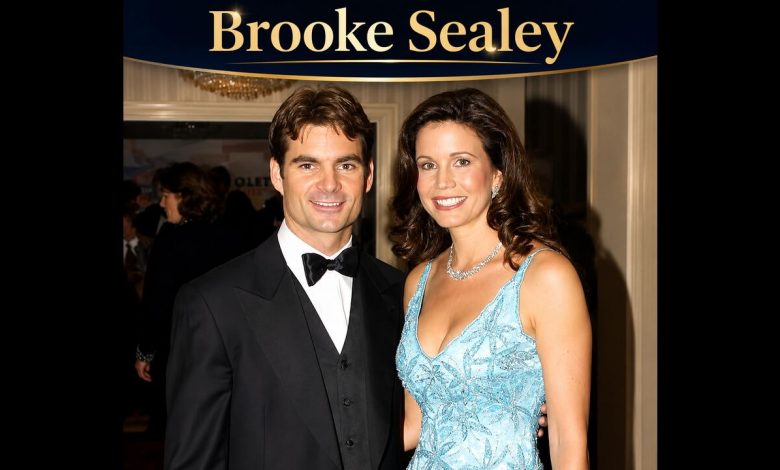
For years, the two appeared together at races, award shows, and NASCAR-related events. Photos from that era show them at Victory Lane celebrations, industry banquets, and red carpets tied to motorsports culture. Their marriage lasted roughly eight years, and like a lot of high-profile relationships lived out partly in public, it eventually came to an end in the early 2000s.
What’s worth noting here isn’t the private details of that separation, which have been picked apart plenty elsewhere online, often without solid sourcing. What’s worth noting is that Brooke Sealey’s connection to Jeff Gordon is only part of her story, not the whole thing. She had already built a name for herself through her Miss Winston work before their marriage even began.
Why Brooke Sealey Name Still Comes Up Today
You might wonder why a Miss Winston from the 1990s is still a search term people type into Google today. A few reasons stand out.
NASCAR Nostalgia Is Real
There’s a genuine wave of interest in NASCAR’s 1990s era right now. Fans who grew up watching that decade are older, a little more sentimental, and curious about what happened to the people who were part of it. Brooke Sealey fits right into that wave. She represents a specific, well-remembered chapter of the sport’s history, back when Victory Lane celebrations had a distinct look and feel that fans still associate with NASCAR’s biggest growth years.
Her Connection to a Racing Legend
Jeff Gordon’s career accomplishments keep his name, and by extension the people connected to him, in ongoing conversations among motorsports fans. Anyone researching Gordon’s early career naturally runs into Brooke Sealey’s name, since she was part of his life during some of his most successful seasons behind the wheel.
A Story of Life After the Spotlight
There’s also something relatable about someone who had a very public role and then chose to step away from it. Brooke Sealey isn’t active on social media in any prominent way, and she keeps a low public profile these days. In an online culture where everyone seems to be documenting every part of their life, someone who quietly walked away from the spotlight tends to stick in people’s minds. It raises a simple, human question: what does it look like to have your name known by millions and then choose privacy instead?
What Brooke Sealey’s Story Says About NASCAR Culture
Stepping back a bit, Brooke Sealey’s time in NASCAR says something bigger about the sport itself during that period. The 1990s were a turning point. Sponsors were pouring money into the series, television deals were expanding, and drivers were becoming household names outside their home regions for the first time. The people working alongside that transformation, whether behind the wheel or standing in Victory Lane, were part of building a version of NASCAR that looked and felt different from the sport’s earlier decades.
Roles like Miss Winston don’t exist in quite the same form anymore. Sponsorship marketing has changed, tobacco advertising restrictions reshaped NASCAR’s sponsor lineup entirely, and the sport’s promotional approach today looks nothing like it did when Brooke Sealey held that title. That makes her time in the role feel like a specific snapshot of a NASCAR that no longer exists in the same way, which is part of why fans researching that era keep coming back to her name.
Final Thoughts: Brooke Sealey
Brooke Sealey’s name is tied to a specific, well-remembered moment in NASCAR history, one shaped by sponsorship glamour, growing television audiences, and a sport working hard to become a national phenomenon. Whether fans remember her from Victory Lane appearances as Miss Winston or from her years alongside Jeff Gordon, her story is a reminder that the people standing just outside the driver’s seat helped shape how NASCAR looked and felt during one of its most important decades.
For readers who grew up watching that era, revisiting names like Brooke Sealey isn’t just trivia. It’s a way of reconnecting with a version of the sport that shaped how a lot of us fell in love with racing in the first place.