
What Is Kouskousi? The Complete UK Guide to Mediterranean’s Hidden Pasta
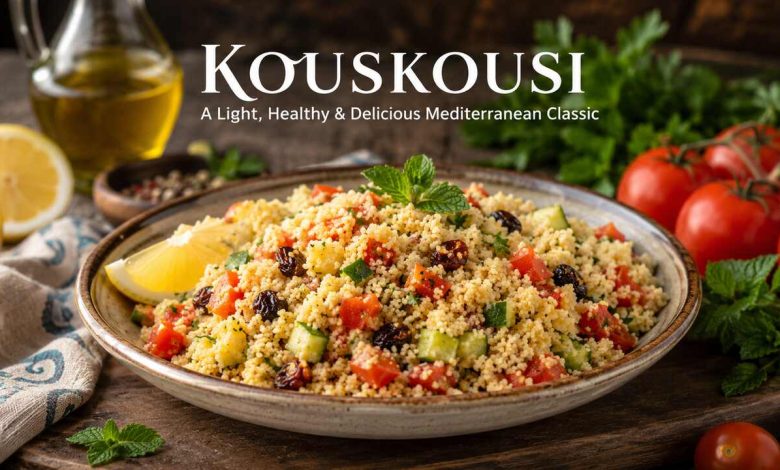
You’ve probably walked past it without noticing. Maybe you spotted something labelled “giant couscous” at Waitrose, or came across a recipe calling for tiny pasta pearls and wondered what on earth you were meant to buy. Kouskousi sits at one of those genuinely interesting crossroads in food history part pasta, part cultural artefact, entirely worth your time.
This guide covers everything: what kouskousi actually is (because the internet has created some genuine confusion here), where it comes from, how it differs from couscous, the best ways to cook it, and where to track it down in the UK.
What Kouskousi Actually Is
Kouskousi is a small, round pasta bead made from durum wheat semolina the same base ingredient used in most Italian pasta. Each grain measures roughly 2 to 3 mm in diameter, giving it a satisfying weight in the bowl that regular couscous simply cannot match.
Despite the name sounding like couscous, kouskousi is a pasta product, not a steamed grain. You boil it like spaghetti, it holds its shape in soup, and it has a gently chewy bite once cooked. The flavour is mild and wheat-forward, which means it absorbs whatever it’s sitting in whether that’s a rich lamb broth, a lemon-herb dressing, or a slow-cooked tomato sauce.
The name comes from multiple traditions simultaneously. In Greek, κουσκούσι (kouskousi) refers specifically to this tiny pasta shape used in soups and baked dishes. In Malta, “kusksu” refers both to the pasta bead and to the national soup made with it. Both words likely trace back to the Arabic “kuskus,” which is the broader root for couscous across North Africa and the Levant a reminder that the Mediterranean has always been one long, connected table.
Where Kouskousi Comes From: A Brief History
The story of kouskousi is the story of the Mediterranean itself waves of trade, migration, and culinary exchange producing something uniquely local from shared ingredients.
The Maltese Connection
Malta’s version, called kusksu, is arguably the most historically grounded. The island sits between Italy, North Africa, and the Middle East, and its food reflects that position in every recipe. The pasta bead arrived via Arabic influence during the period of Arab rule over Malta (9th to 11th centuries), but Maltese cooks gradually transformed it. Rather than steaming loose semolina granules as North Africans do, they began rolling the semolina into firmer, rounder beads that could be boiled in soup.
The result was kusksu a pasta that looks a bit like couscous but behaves entirely differently in a pot. The traditional Maltese dish, Kusksu bil-ful, pairs these beads with fresh broad beans, tomato paste (kunserva), and fresh goat’s milk cheese (ġbejniet). It’s a spring soup, built around the moment when broad beans come into season, though Maltese households make it year-round with frozen beans when fresh aren’t available.
The Greek Tradition
In Greece, kouskousi developed along its own path, shaped by the country’s agricultural history and the influence of Asia Minor. Greek families traditionally made small pasta shapes by hand, valuing them for how long they kept in storage and how quickly they cooked. The pasta became associated with comforting home meals added to chicken broth with herbs, baked with cheese and meat, or stirred through a simple vegetable soup.
The Greek tradition of kouskousi also reflects the influence of communities from Asia Minor (modern-day Turkey), where similar small pasta shapes were common before population exchanges in the 20th century. These cultural transfers helped shape regional Greek cooking in ways that are still felt today.
The Sardinian Cousin: Fregola
It’s worth mentioning fregola here, because the two are closely related and you’ll sometimes see them used interchangeably. Sardinian fregola is toasted after rolling, giving it a nutty, slightly golden flavour that kouskousi doesn’t have. Both are semolina beads, both work beautifully in soups but fregola has a distinctly more complex, roasted flavour profile. If you’ve tried fregola and loved it, kouskousi will feel familiar but lighter.
Fregola deserves its own attention. The toasting step that sets it apart from kouskousi produces a depth of flavour that plain semolina beads simply can’t match, and it performs beautifully in seafood dishes and roasted vegetable salads. Read our complete guide to Sardinian fregola to see how it compares in real recipes.
Kouskousi vs Couscous: Why the Confusion Exists
This is the question everyone asks, and the short answer is: they are not the same thing, despite the shared name and similar appearance.
Kouskousi is a pasta. It is made by mixing semolina with water, rolling it into pellets, and drying it. You cook it by boiling it in water or stock, and it behaves in the pot exactly like pasta absorbing liquid gradually, holding its shape, becoming tender with a slight chew.
Couscous is a different product entirely. North African couscous consists of very small, fine semolina granules that are traditionally steamed, not boiled. When done properly, they become light and fluffy, with a texture closer to a grain than a pasta. The standard “instant couscous” sold in UK supermarkets (pour hot water over, wait five minutes, fluff with a fork) is a convenience version of this.
The key differences:
Origin: Couscous is North African (primarily Moroccan, Algerian, Tunisian); kouskousi is Mediterranean, particularly Maltese and Greek.
Texture when cooked: Couscous becomes light and fluffy; kouskousi becomes tender but firm, with a slight chew.
Cooking method: Couscous is steamed or rehydrated; kouskousi is boiled like pasta.
Size: Kouskousi pellets are generally slightly larger and denser than standard couscous granules, closer in size to Israeli pearl couscous (ptitim).
Best uses: Couscous works beautifully as a base for tagines and grilled vegetables; kouskousi is best in soups, braises, and baked dishes where you want something that holds its shape.
Using the wrong one in a recipe will produce noticeably different results. Substituting couscous into a traditional kusksu soup will give you mush. Substituting kouskousi for couscous under a Moroccan lamb shoulder will give you dense pasta instead of the light, absorbent base the dish needs.
Types of Kouskousi and Related Pastas
Not all kouskousi is the same, and knowing what you’re buying matters.
Standard Kouskousi (Maltese/Greek)
The most traditional form. Small, 2–3 mm round pellets made from plain durum wheat semolina. This is what traditional kusksu soup calls for, and what Greek cooks add to broth-based dishes. Texture is smooth, flavour neutral, ideal for absorbing the ingredients around it.
Whole Wheat Kouskousi
Made with whole wheat semolina rather than refined. Slightly more robust in flavour, with a nuttier, earthier quality. Higher in fibre, which makes it a reasonable swap for anyone eating with nutritional awareness. Takes slightly longer to cook usually 12 to 15 minutes rather than 8 to 10.
Fregola (Sardinian)
As mentioned above the toasted cousin. The rolling method is similar, but the toasting step changes everything. You’ll find fregola more readily in UK delis and Italian importers. If you want to try kouskousi-style cooking and can only find fregola, it works well just expect a nuttier, more complex flavour.
Pearl Couscous / Ptitim / Israeli Couscous
Often sold in UK supermarkets as “giant couscous.” These are larger, rounder, and typically have a slightly chewier texture. They are technically toasted pasta, not steamed semolina. A reasonable substitute for kouskousi in many recipes, though the texture won’t be identical.
How to Cook Kouskousi Properly
The method is straightforward, but a few details make the difference between great and mediocre.
Basic Boiling Method
Use well-salted water it should taste properly seasoned, not just slightly salty. The ratio is roughly 1 part kouskousi to 3 parts water. Bring the water to a rolling boil before adding the pasta beads, then stir immediately to prevent sticking. Cook for 8 to 10 minutes (check the packet, as times vary by brand), tasting for that slight firmness at the centre. Drain and finish with olive oil, butter, or directly into your dish.
Cooking in Stock
This is where kouskousi really performs. Add the dry beads directly to a simmering broth chicken stock, vegetable stock, or a light lamb broth all work well. The pasta absorbs the flavour from the inside out as it cooks, producing a much more cohesive result than if cooked in plain water and added at the end. This is the method used in kusksu soup, and the difference in flavour is significant.
For Salads
Cook in salted water until just tender, drain, and immediately toss with good olive oil to prevent clumping. Allow to cool completely before adding other ingredients. Cold kouskousi has a slightly firmer bite than when served hot, which is actually an advantage in salads.
Common Mistakes to Avoid
Undercooking: Kouskousi that’s too firm has an unpleasant starchy density. Taste it from 7 minutes onwards.
Overcooking: It becomes soft and loses that slight chew that makes it worth using. Pull it from the heat when there’s still a small degree of resistance.
Not salting the water: This is pasta; it needs seasoned cooking liquid.
Adding to a cold liquid: Always add to hot liquid to ensure even cooking.
What to Cook with Kouskousi
Kusksu Soup (Traditional Maltese)
The dish that put kouskousi on the map. The classic version pairs the pasta beads with fresh or frozen broad beans, a spoonful of Maltese tomato paste (kunserva), and fresh ġbejniet small, soft goat’s milk cheeses that sit whole in the broth and soften gently without fully dissolving. A soft-poached egg added to the pot just before serving is traditional.
If you can’t source ġbejniet in the UK (more on this below), a mild fresh goat’s cheese or even a decent ricotta can work in its place, though the texture won’t be quite the same ricotta tends to break down into the broth where ġbejniet stays relatively intact.
This soup is a legitimate one-bowl meal. You get carbohydrates from the pasta, protein from the cheese and egg, and fibre from the broad beans. It’s filling without being heavy, and the broth is clean and flavourful rather than overly rich.
Greek-Style Kouskousi with Greens and Chickpeas
One of the most satisfying ways to eat kouskousi outside of the traditional Maltese context. Sauté onion and garlic in good olive oil until soft and golden. Add a can of drained chickpeas, a bunch of roughly torn Swiss chard (or spinach if you’re working with what’s in the fridge), and enough chicken or vegetable stock to just cover. Add the dry kouskousi directly to the pot, along with a pinch of dried oregano and a generous squeeze of lemon. Simmer for 10 minutes, check the seasoning, and serve with a drizzle of extra virgin olive oil.
Kouskousi Salad
Cook the pasta, cool it completely, and toss with whatever you have: roasted courgette and red peppers, cherry tomatoes, crumbled feta, olives, fresh mint, and a sharp lemon and olive oil dressing. The pasta holds dressing better than couscous because it has more body, and the result keeps well in the fridge for lunch the next day.
Baked Kouskousi
Less well-known outside Greece, but worth trying. Cook the pasta until just under al dente, drain, and combine with a simple tomato sauce, some minced lamb or beef, and a layer of kefalotiri or graviera cheese on top. Bake at 180°C until the top is golden and the pasta has absorbed most of the sauce. It sits somewhere between a Greek pastitsio and a baked orzo deeply comforting.
Nutritional Profile
Kouskousi is made from durum wheat semolina, which gives it a nutritional profile broadly similar to other pasta products. Per 100g dry weight, you’re looking at roughly 360 calories, 12–13g protein, 72–75g carbohydrate, and around 1.5–2g fibre (higher in whole wheat versions).
It’s a reasonable source of slow-release carbohydrates, and the protein content is decent for a grain product. Where it performs well nutritionally is in context paired with legumes (broad beans, chickpeas), leafy greens, and olive oil, it forms a genuinely balanced Mediterranean-style meal. The fat content on its own is very low; olive oil drizzled over at the end is what adds richness.
It is not gluten-free. Kouskousi is made from wheat, and there are currently no widely available gluten-free versions in the UK market. Anyone with coeliac disease or non-coeliac gluten sensitivity should avoid it or look for rice-based pearl pasta alternatives.
Where to Buy Kouskousi in the UK
This is the practical question. Kouskousi is not yet stocked in every supermarket, but it’s more accessible than it was even a few years ago.
Specialist Mediterranean delis: Your best bet for authentic kouskousi or kusksu pasta. Maltese, Greek, and Cypriot food shops in cities like London, Birmingham, and Manchester are worth seeking out. These will often stock the best quality product, sometimes imported directly from Malta or Greece.
Online retailers: Amazon UK and specialist food importers such as the Real Food Company and various Mediterranean online delis stock kouskousi. Search for “Maltese kusksu pasta” or “Greek kouskousi” to get the most accurate results rather than being redirected to couscous.
Italian delis: If you’re looking for fregola as a substitute, Italian delicatessens are your best option. Sardinian fregola is more widely imported than Maltese kusksu and performs similarly in most recipes.
Major supermarkets: “Giant couscous” or “pearl couscous” products sold by brands like Merchant Gourmet and Belazu are a reasonable substitute if you can’t find authentic kouskousi. They won’t be identical, but they’re close enough for most home cooking purposes.
Kouskousi Cooking Checklist
Use this as your reference whenever you’re cooking with kouskousi for the first time:
- Salt your cooking water properly before adding the pasta taste it, it should be noticeably seasoned
- Bring liquid to a full boil or simmer before adding the dry beads
- Stir immediately after adding to prevent sticking
- Taste from 7 minutes onwards don’t rely solely on packet timings
- For soups, add dry kouskousi directly to the simmering stock for maximum flavour absorption
- For salads, toss with olive oil immediately after draining while still warm
- Do not rinse with cold water after cooking it washes away the starch that helps sauces cling
- If using as a side dish, finish with good quality extra virgin olive oil, lemon zest, and fresh herbs
- Store any leftovers tossed in olive oil to prevent clumping in the fridge
- Reheat with a splash of stock or water to loosen
FAQ: Kouskousi Questions Answered
Is kouskousi the same as couscous?
No, despite sharing a similar name and appearance, they are different products. Kouskousi is a pasta made from durum wheat semolina, formed into pellets and boiled. Couscous is a North African product made from fine semolina granules that are steamed or rehydrated with hot liquid. The cooking method, texture, and culinary applications differ meaningfully between the two.
Where does kouskousi come from?
Kouskousi has two main cultural homes: Malta and Greece. The Maltese version (kusksu) was shaped by Arabic influence during medieval Arab rule over the island. The Greek version developed from the country’s own pasta-making traditions and was influenced by communities from Asia Minor. Both traditions likely share a common linguistic root with North African couscous, reflecting the connected food cultures of the wider Mediterranean.
How do you cook kouskousi?
Boil in well-salted water or stock for 8 to 10 minutes until tender with a slight chew. You can also add the dry pasta beads directly to a simmering soup or broth, where they will absorb the liquid and flavour as they cook. Drain if cooking separately, toss with olive oil, and serve immediately or allow to cool for salads.
What does kouskousi taste like?
On its own, the flavour is mild and gently wheat-forward similar to other plain pasta. Its real quality lies in its ability to absorb the flavours around it: broths, spices, olive oil, and herbs all come through clearly. The texture is what distinguishes it: firmer and chewier than couscous, with a pleasant density that holds up in soups and baked dishes.
Can you substitute orzo for kouskousi?
Orzo (kritharaki in Greek) is a reasonable substitute in most recipes. It’s slightly larger and rice-shaped rather than round, but behaves similarly in soups and baked dishes. Pearl couscous / giant couscous (such as Merchant Gourmet’s version) is also a close substitute. Sardinian fregola works well but adds a nuttier, toasted flavour.
Is kouskousi gluten-free?
No. Kouskousi is made from durum wheat semolina and contains gluten. It is not suitable for people with coeliac disease or those who need to avoid gluten. There are currently no widely available gluten-free kouskousi products in the UK market.
What is Kusksu soup?
Kusksu is Malta’s traditional soup using kouskousi pasta beads as the base. The classic recipe pairs the pasta with fresh broad beans, Maltese tomato paste (kunserva), and ġbejniet small fresh goat’s milk cheeses. A soft egg is sometimes added before serving. It’s a spring soup by tradition but eaten year-round in Maltese households, and it represents one of the best introductions to the pasta’s qualities.
How long does kouskousi keep?
Dry kouskousi, stored in a sealed container in a cool, dry cupboard, will keep for up to two years. Cooked kouskousi should be stored in the fridge, tossed with a little olive oil to prevent sticking, and consumed within 3 days. Reheat with a splash of stock or water.
Is kouskousi healthy?
As part of a balanced Mediterranean-style diet, yes. It provides slow-release carbohydrates, moderate protein, and low fat. The nutritional picture improves significantly when paired with legumes, leafy greens, olive oil, and vegetables as traditional recipes tend to do. Whole wheat versions offer more fibre. Like all pasta products, portion size matters.
What’s the difference between kouskousi and fregola?
Both are semolina pasta beads made in a similar way, but fregola is Sardinian and is toasted after rolling, giving it a nuttier, more complex flavour and a slightly golden colour. Kouskousi is untoasted and has a more neutral, clean flavour. Both work in soups and salads, but fregola’s roasted character makes it more assertive as an ingredient.
Key Takeaway
Kouskousi is one of those ingredients that rewards a little curiosity. It is not a trendy food reinvention it has been feeding Maltese and Greek families for centuries, quietly building flavour in broth while more fashionable ingredients came and went. If you’ve been defaulting to orzo for your soups, or using pearl couscous without quite knowing what it actually is, this is worth trying on its own terms.
Start with a simple kusksu soup broad beans, good stock, a piece of fresh goat’s cheese, and ten minutes of your time. That’s the best introduction to what kouskousi can do.