
Gut Health Test: What It Is, Why It Matters, and What to Expect
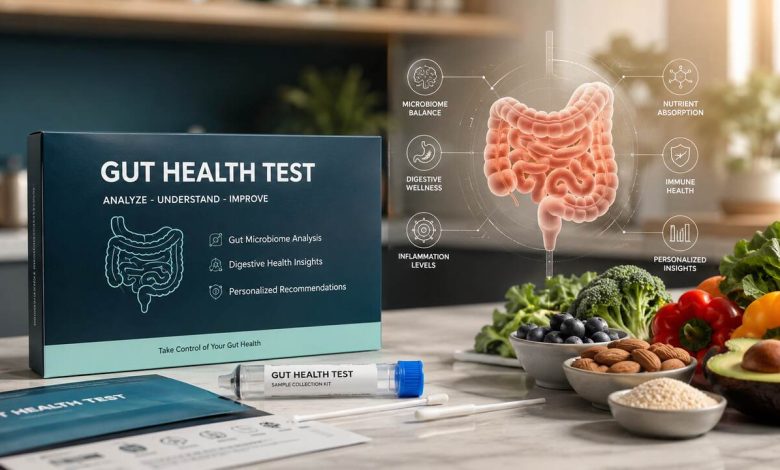
Your gut does far more than digest food. It influences your immune system, your mood, your energy levels, and even the clarity of your skin. When something goes wrong inside the gastrointestinal tract — when the balance of microbial life shifts in the wrong direction — the effects ripple outward in ways that can be difficult to trace back to their source. A gut health test gives you a starting point. It takes the guesswork out of how your digestive system is functioning and opens the door to changes that are grounded in actual evidence rather than general advice.
What Is a Gut Health Test?
A gut health test is a diagnostic tool used to assess the composition, balance, and activity of the microorganisms living inside your digestive tract. This community of bacteria, fungi, viruses, and other microbes is collectively known as the gut microbiome. When these organisms exist in a healthy ratio, they support digestion, produce vitamins, regulate the immune response, and communicate with the brain through what researchers refer to as the gut-brain axis.
The test itself typically works by analysing a stool sample. That sample is sent to a laboratory where scientists extract microbial DNA and use sequencing technology to identify which organisms are present, how diverse the microbial community is, and whether certain harmful species are overrepresented. Some tests also assess inflammation markers, digestive enzyme activity, gut permeability indicators such as zonulin, short-chain fatty acid production, and the presence of parasites or pathogens.
The level of detail varies depending on the type of test. Entry-level options might screen for a smaller panel of bacterial species, while more advanced clinical tests use metagenomic shotgun sequencing a method that reads the full genetic content of a sample and produces a detailed map of the entire microbial community, including bacteria that are difficult to culture in a standard lab environment.
Why Gut Health Deserves More Attention Than It Gets
The gut microbiome has been one of the most actively researched areas in medicine over the past decade. Between 2014 and 2024 alone, more than 53,000 publications in scientific databases focused on this topic. The findings have consistently pointed toward one conclusion: the balance of microorganisms in the gut plays a meaningful role in outcomes that extend well beyond digestion.
A large portion of the body’s immune cells somewhere between 70 and 80 percent reside in the gut. This means that disruptions to the microbiome do not stay confined to the gastrointestinal system. They can trigger inflammatory responses, interfere with nutrient absorption, affect hormone production, and alter the communication pathways between the gut and the brain.
The gut also produces a significant amount of serotonin, the neurotransmitter closely associated with mood regulation and sleep quality. When microbial balance is disturbed a condition known as gut dysbiosis serotonin production can be affected, which helps explain why so many people with digestive issues also report difficulty sleeping, low mood, or mental fatigue.
Understanding what is happening inside the gut is therefore not a niche concern. It is a meaningful step toward understanding your overall health.
Signs That a Gut Health Test May Be Worth Considering
Many people live with symptoms they attribute to stress, ageing, or lifestyle without realising the gut could be a contributing factor. The following signs are commonly associated with microbial imbalance or compromised digestive function:
- Persistent bloating, particularly after meals, even when no food intolerance has been identified
- Irregular bowel movements whether chronic constipation, frequent loose stools, or an unpredictable pattern of both
- Abdominal discomfort, cramping, or pain that recurs without a clear explanation
- Fatigue that does not resolve with rest or changes in sleep habits
- Brain fog, difficulty concentrating, or memory lapses that feel out of character
- Skin conditions such as acne, eczema, rosacea, or unexplained rashes
- Frequent infections or a sense that the immune system is not holding up well
- Food sensitivities that appear to be expanding over time
- Unexplained changes in body weight without corresponding changes in diet or physical activity
- Mood disturbances including low-level anxiety or persistent low mood
None of these symptoms alone confirms a gut issue. But when several appear together, or when they persist despite dietary changes and lifestyle adjustments, a gut health test can offer clinically relevant information that a general consultation may not provide.
Types of Gut Health Tests Available
Not all gut health tests are built the same way, and understanding the differences helps in selecting the right option for the situation.
Stool microbiome analysis: Is the most widely used form of gut health testing. It involves collecting a stool sample at home using a provided collection kit, which is then sent to an accredited laboratory. The lab sequences the microbial DNA in the sample and produces a report identifying which bacterial species are present, their relative abundance, and how the overall composition compares to a reference population.
16S rRNA gene sequencing: Targets a specific region of bacterial DNA that varies between species. This method allows laboratories to identify and categories different bacterial groups with considerable precision, including organisms that would be difficult or impossible to detect through traditional culture methods. It is well-established in clinical research and is commonly used in both consumer and medical-grade gut health tests.
Shotgun metagenomic sequencing: Goes further, reading all the genetic material in a sample rather than focusing on a single gene region. This approach provides a more detailed view of the entire microbial community, including fungi, viruses, bacteriophages, and archaea, in addition to bacteria. It also offers insights into the functional potential of the microbiome not just which organisms are present, but what metabolic activities they are capable of performing.
Clinical stool tests: Ordered through a healthcare provider can also screen for pathogens, parasites, inflammation markers like calprotectin, and signs of gut permeability. These are typically recommended when there is a specific diagnostic concern such as inflammatory bowel disease, irritable bowel syndrome, or suspected infection.
Quantitative PCR (qPCR): Is a laboratory technique used to measure the absolute quantity of specific microbial strains. It is particularly useful when a clinician wants precise numbers rather than relative proportions, and is often used in conjunction with broader sequencing results to validate findings.
How the Testing Process Works
The process for completing a gut health test at home is designed to be as straightforward as possible. Upon receiving a testing kit, you will find a collection container along with instructions for gathering a small stool sample. The sample is placed in a stabilizing buffer that preserves the microbial DNA during transit, then sealed and sent to the laboratory.
In the lab, technicians extract the DNA from the sample and run it through sequencing instruments. The data is then compared against reference databases containing known patterns of bacterial composition. Algorithms process the results and generate a report that typically includes a breakdown of bacterial species present, diversity scores, and in many cases, actionable dietary or lifestyle recommendations based on the findings.
Results are usually available within a few weeks, delivered digitally. Some services also offer follow-up consultation with a registered nutritionist or functional medicine practitioner to help interpret the findings and build a personalized protocol around them.
One important consideration is that the gut microbiome is not static. It changes in response to diet, stress, medication, sleep, and a range of environmental factors. A single test provides a snapshot rather than a permanent reading, which is why some practitioners recommend repeat testing after dietary or treatment interventions to assess progress.
What a Gut Health Test Can Tell You
A well-conducted gut health test provides information across several areas that are difficult to assess through standard blood work or general consultation.
Microbial diversity: Is one of the most informative markers. A microbiome with a wide variety of species is generally associated with better health outcomes, while low diversity has been linked to conditions including irritable bowel syndrome, obesity, type 2 diabetes, and inflammatory bowel disease.
Presence of beneficial bacteria: Such as Lactobacillus and Bifidobacterium species, as well as butyrate-producing organisms like Faecalibacterium prausnitzii, indicates that the gut environment is likely supporting healthy immune function, anti-inflammatory signalling, and mucosal integrity.
Overgrowth of potentially harmful organisms: Including certain strains of Clostridium, Klebsiella, or pathogenic Escherichia coli may be linked to symptoms of gut dysbiosis and can guide targeted probiotic or dietary interventions.
Short-chain fatty acid profiles: Reflect how effectively the microbiome is fermenting dietary fibre. Compounds like butyrate, propionate, and acetate are produced through this process and play a significant role in maintaining the integrity of the gut lining, regulating inflammation, and supporting metabolic health.
Inflammation markers: Such as calprotectin or secretory IgA can indicate whether the gut lining is under active immune stress, which may be relevant in cases of suspected leaky gut or autoimmune involvement.
Parasite and pathogen screening: Identifies whether any harmful microorganisms are present in the gut that may be contributing to symptoms but would otherwise go undetected.
The combined picture offered by these markers gives clinicians and individuals a far more precise starting point for intervention than symptom tracking alone.
The Connection Between Gut Health and the Rest of the Body
One of the most well-documented aspects of gastrointestinal science is the gut-brain connection. The enteric nervous system sometimes described as the second brain lines the walls of the gastrointestinal tract and communicates constantly with the central nervous system via the vagus nerve. This bidirectional pathway means that stress and anxiety can worsen gut symptoms, and poor gut health can, in turn, affect mood, cognition, and stress resilience.
The relationship between gut health and immune function is similarly well-established. Dysbiosis can lead to increased intestinal permeability often referred to as leaky gut where partially digested food particles and microbial by-products cross the gut lining and enter the bloodstream. This triggers an immune response that, if sustained over time, can contribute to systemic inflammation and increase susceptibility to autoimmune conditions.
The gut also plays a role in hormonal regulation, cholesterol metabolism, and the synthesis of certain B vitamins and vitamin K. When the microbial community is in poor shape, these functions are affected in ways that may not be immediately obvious but which accumulate into measurable health consequences over time.
Getting the Most Out of Your Gut Health Test Results
Receiving a gut health test report can feel overwhelming if you are not familiar with the terminology. Bacterial names, diversity indices, and percentile scores are not everyday reading for most people. The value of the results depends significantly on how well they are interpreted and acted upon.
Working with a practitioner who understands functional gut health whether a gastroenterologist, a registered dietitian with experience in microbiome health, or a functional medicine clinician makes a meaningful difference. They can review the findings in the context of your symptoms, medical history, and current diet, and develop a plan that may include targeted probiotic supplementation, dietary modifications, prebiotic fibre intake, or specific lifestyle changes.
Reuterings.co.uk provides access to quality testing services and guidance that helps individuals make sense of their results in a clear, professional manner. Having qualified support behind you at the interpretation stage means the information in your report translates into practical action rather than sitting as data you are unsure how to use.
Making Dietary Adjustments Based on Test Findings
One of the most immediate and effective ways to act on gut health test results is through diet. The foods you eat directly influence which microbial species thrive in your gut. A diet rich in diverse plant foods, fermented products, and prebiotic-rich vegetables tends to support microbial diversity, while diets high in processed foods, refined sugars, and trans fats are consistently associated with reduced diversity and higher levels of potentially harmful species.
Once you know which organisms are underrepresented in your microbiome, you can target those gaps more precisely. Increasing intake of inulin-rich foods like chicory root, garlic, and leeks can support Bifidobacterium growth. Foods rich in pectin, such as apples and citrus, feed different species. Fermented foods including kefir, natural yoghurt, kimchi, sauerkraut, and miso introduce live cultures that may contribute to microbial balance, particularly during and after dietary shifts.
The point is that dietary changes made with reference to actual test results are more targeted and more likely to produce meaningful improvements than changes made on the basis of general gut health advice.
Frequently Asked Questions About Gut Health Testing
Is a gut health test the same as a standard stool test?
Not quite. A standard stool test ordered in a clinical setting usually screens for specific pathogens, parasites, or blood in the stool. A gut health microbiome test goes further, providing a detailed analysis of the broader microbial community, including species diversity, bacterial balance, and functional markers that standard tests do not assess.
How often should you get a gut health test?
For most people, testing once and then retesting after three to six months of dietary or lifestyle intervention gives a useful before-and-after comparison. Those managing chronic conditions or following a targeted gut healing protocol may benefit from more frequent monitoring in consultation with their practitioner.
Can a gut health test diagnose medical conditions?
A gut health test is a screening and insight tool, not a diagnostic test in the clinical sense. It can highlight imbalances that may warrant further investigation or support a treatment approach, but it does not replace medical diagnosis. If your results indicate significant abnormalities or if your symptoms are severe, working with a qualified healthcare provider is the appropriate next step.
Do medications affect gut health test results?
Yes. Antibiotics in particular have a significant effect on the microbiome and can skew test results if taken shortly before sampling. Proton pump inhibitors, laxatives, and other medications can also affect microbial composition. Most testing services advise waiting a minimum of four weeks after antibiotic use before collecting a sample. Always disclose any medications you are taking when discussing your results with a practitioner.
A Practical Step Toward Better Health
The gut microbiome is increasingly recognised as central to overall wellbeing, not just digestive comfort. A gut health test is one of the more direct ways to move from vague symptoms and general health awareness toward specific, evidence-based understanding of what is happening inside your body.
The technology behind these tests has improved considerably. Sequencing costs have fallen, analytical methods have grown more precise, and the research connecting gut composition to health outcomes continues to expand. What was once the preserve of academic research laboratories is now accessible in a practical, at-home format that delivers clinically meaningful data without requiring a hospital referral.
Whether you are dealing with persistent digestive symptoms that have not responded to lifestyle changes, exploring the root causes of fatigue or skin issues, or simply wanting a clearer picture of your internal health, a gut health test offers a thoughtful and well-supported starting point.