Best Ropa Vieja Venezolana Near Me: A Complete Guide to Finding Authentic Shredded Beef
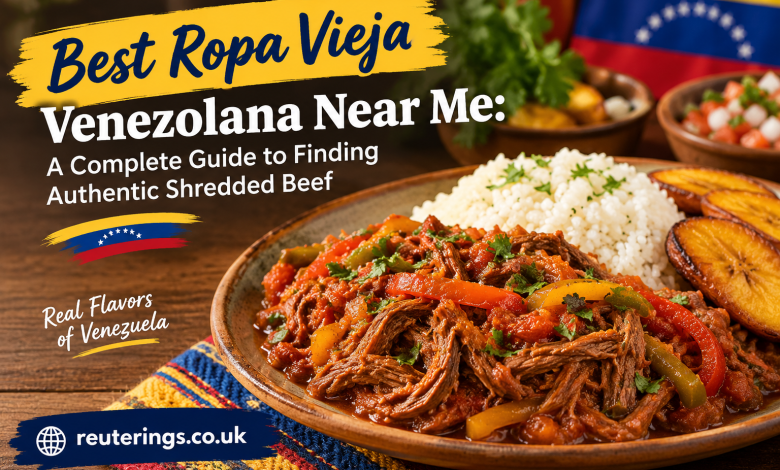
Few dishes feel as comforting as a warm plate of slow-cooked, shredded beef in a tomato and pepper sauce, served beside rice, beans and sweet fried plantain. If you have been typing “best ropa vieja venezolana near me” into a search bar, you are probably looking for more than a quick meal. You want a plate that tastes like home, or one that shows you what Venezuelan home cooking is really about.
This guide covers what Venezuelan ropa vieja is, how it differs from other versions, which ingredients and cooking methods matter, and how to judge quality when choosing where to eat. It should leave you confident when you order, and better able to spot a kitchen that cooks with care.
What Is Ropa Vieja Venezolana?
Ropa vieja translates literally as “old clothes”. The name comes from the way the beef is pulled into long, soft strands that resemble torn strips of fabric. It is a poetic name for a humble dish, and it sums up the spirit of the cuisine: simple ingredients, patient cooking and generous flavour.
In Venezuela, the dish is more often called carne mechada or carne desmechada, which both mean shredded or pulled meat. You will see all three names on menus, and they usually describe the same thing: beef simmered until tender, shredded by hand, and finished in a sauce built from onion, sweet pepper, garlic and tomato.
Venezuelan cooks usually serve it as the beef component of pabellón criollo, the national dish. A traditional pabellón plate brings together shredded beef, white rice, stewed black beans (caraotas negras) and fried ripe plantain (tajadas). Each element balances the others: the beef is savoury and slightly tangy, the beans are earthy, the rice is plain and fluffy, and the plantain adds caramelised sweetness.
The Origins of Ropa Vieja and How the Venezuelan Style Developed
The dish has its roots in Spanish cooking, with a strong link to the Canary Islands. Many Canarian families settled in Venezuela and Cuba over the centuries and carried their recipes with them. In the Caribbean and Latin America, the dish took on local character through new ingredients, regional tastes and the influence of Indigenous and African culinary traditions.
Cuban ropa vieja is probably the best known internationally. It is typically cooked in a tomato-based sauce with peppers, onions, olives and sometimes capers. Venezuelan carne mechada tends to be a little different. The sauce is usually less tangy, the seasoning leans on cumin, garlic and sometimes a splash of Worcestershire sauce, and the beef is almost always treated as part of a larger plate or as a filling for another staple, rather than as a stand-alone stew.
Other countries have their own take as well. In some parts of Central America the dish is known as carne desmenuzada. In Mexico a related preparation is called carne deshebrada. Within Venezuela itself, regional variations exist. In the state of Lara, for example, a drier dish called pat’e’grillo is made with goat meat, which shows how widely the technique has been adapted.
What Makes the Best Ropa Vieja Venezolana Stand Out
When you are searching for the best ropa vieja venezolana near me, it helps to know what a well-made plate looks like. Quality shows in a handful of details.
The Cut of Beef
Traditional recipes use cuts with a long grain that pull into strands rather than crumble. The most common are:
- Flank steak (falda): the classic choice, with a pronounced grain and rich flavour.
- Skirt steak: similar to flank, slightly fattier and very flavourful.
- Brisket (pecho): softer and more succulent, and it gives a slightly richer sauce.
Lean, fine-grained cuts tend to turn dry or mushy. If the beef on your plate comes apart in long, juicy ribbons and still has some bite, the kitchen has chosen the cut well.
The Cooking Method
Authentic ropa vieja is a two-stage dish. First the beef is simmered gently in water with onion, garlic, bay leaf and a little salt until it is tender enough to shred, which usually takes around two hours on the hob or much less in a pressure cooker. Then the shredded meat is added to a sofrito, the base of sautéed onion, sweet pepper, garlic and tomato, along with some of the cooking broth.
Cooking the beef in its own broth first gives depth that cannot be faked. Dishes made by simply boiling beef and stirring in a jar of sauce lack that layered flavour.
The Sofrito and Seasoning
The sauce should taste fresh and balanced. Look for ripe tomato, red pepper and onion that has been softened slowly rather than fried hard. Ground cumin is the signature spice, often joined by black pepper, a little paprika and a touch of vinegar or Worcestershire sauce for brightness. The sauce should coat the beef without drowning it. If the plate is swimming in liquid or tastes mostly of salt, something has gone wrong in the kitchen.
Texture and Moisture
The best carne mechada is moist without being soupy. The strands should be separate and tender, and they should hold a little of the sauce. Dry, stringy beef usually means it was overcooked or left too long on a hot plate. Beef that is too soft and falling apart into paste usually means it was simmered too hard.
Traditional Plates and Ways to Enjoy Venezuelan Shredded Beef
One of the pleasures of this cuisine is how flexible the dish is. You will find carne mechada served in several ways, and each one shows a different side of Venezuelan cooking.
Pabellón Criollo
This is the full, traditional plate described earlier. If you are trying Venezuelan food for the first time, it is the best introduction. The combination of sweet, salty, savoury and mild flavours is the heart of the cuisine. Some restaurants add a fried egg on top, in which case it is called pabellón a caballo, or “pabellón on horseback”.
Arepas Stuffed with Carne Mechada
The arepa is a round, griddled corn cake with a crisp outside and a soft interior. It is split open and filled while still warm. An arepa filled with shredded beef is a Venezuelan comfort food, and many people add white cheese or sliced avocado. The most famous combination is the reina pepiada, which is filled with chicken and avocado, but the beef version is just as popular and easier to find.
Cachapas
A cachapa is a thick, slightly sweet corn pancake made from fresh sweetcorn. Folded around fresh white cheese and sometimes shredded beef, it makes a lovely balance of sweet and savoury.
Empanadas, Patacones and Tequeños-Style Snacks
Carne mechada also appears inside fried empanadas, piled onto crisp plantain discs, or served as a filling for soft rolls. It travels well, which is one reason it is such a popular party food and street snack.
Served Over Rice
At its simplest, the beef is served over steamed white rice with a side of black beans. It is straightforward, filling and easy to share, and it shows off the quality of the sauce.
Quality of Ingredients: What to Look For
The long cooking time and short ingredient list mean there is nowhere to hide. If one component is weak, you will taste it. A kitchen that takes the dish seriously will pay attention to the following.
- Fresh, well-sourced beef. Good ropa vieja starts with beef that has real flavour. Grass-fed or British-reared beef from a reputable butcher often gives a deeper taste, though what matters most is freshness and the right cut.
- Ripe tomatoes and peppers. Tinned tomatoes can work well when they are good quality, but the sauce should never taste sharp or metallic.
- Real aromatics. Fresh garlic, onion and bay leaf make a noticeable difference compared with powders.
- Proper corn flour for arepas. Authentic arepas are made from pre-cooked white or yellow cornmeal, such as masarepa. They should be crisp outside and tender inside, never dense or greasy.
- Ripe plantain. The plantain for tajadas should be very ripe, with blackened skin, so it caramelises when fried and tastes naturally sweet.
- Good oil. Fried items should taste clean. Heavy, stale-tasting oil is a clear sign of shortcuts.
Quality of Service: Signs of a Welcoming Venezuelan Kitchen
Food is only part of the experience. The best places to eat ropa vieja tend to share a warm, unhurried attitude toward hospitality, which is deeply rooted in Venezuelan culture. When you visit, notice the following.
- Staff who can explain the menu. A good team will happily tell you how the dish is cooked, what comes with it and how spicy it is. Many Venezuelan dishes are mild, and sauces such as guasacaca (an avocado and herb sauce) or ají picante are offered on the side.
- Cooked to order or freshly prepared. Arepas should come hot from the griddle, and the beef should be steaming rather than reheated for too long.
- Clean, comfortable surroundings. Cleanliness in the dining area and visible attention to food hygiene are signs of a well-run business. In the UK, check for a good food hygiene rating displayed or listed on the Food Standards Agency website.
- Clear allergen information. Corn, dairy, gluten from sauces, and shellfish in some side dishes can matter to guests. Reliable venues are open and confident when asked about ingredients.
- Reasonable timing. Slow-cooked food should be ready to serve, so the wait should be modest, not an hour.
- Pride in the food. Often you can feel it. Owners and chefs who talk about family recipes, regional traditions and ingredients are usually the ones who cook with the most care.
At Reuterings, we believe the same thing applies to any good food experience: honest ingredients, attentive service and a plate that tastes the way it should. That standard is worth holding any restaurant to.
How to Find the Best Ropa Vieja Venezolana Near Me
Venezuelan food is growing in popularity across the UK, particularly in larger cities such as London, Manchester, Birmingham and Bristol, where Latin American communities have established cafés, restaurants and market stalls. Here are practical ways to find a place worth visiting.
Search with Specific Terms
Try several terms rather than one. Besides “ropa vieja venezolana”, search for “carne mechada”, “carne desmechada”, “pabellón criollo”, “Venezuelan restaurant” and “arepas near me”. Some businesses use the Venezuelan name, while others use the Cuban or general Latin American term.
Read Reviews with Care
Look for reviews that mention the beef itself. Comments about tenderness, a well-seasoned sauce, generous portions and freshness of the arepas are more useful than general praise. Reviews from Venezuelan customers who say a dish “tastes like home” are especially reliable, since they know exactly what to expect.
Check the Menu
A short menu that focuses on Venezuelan classics is often a better sign than a very long menu covering many cuisines. Look for pabellón criollo, arepas, cachapas, tequeños, empanadas, tajadas and papelón con limón, a traditional sweet drink made with unrefined cane sugar and lime.
Visit Latin American Markets and Pop-Ups
Food markets, community events and independent delis are often where the best home-style cooking appears. Small, family-run kitchens frequently make carne mechada from recipes passed down for generations.
Ask the Community
Latin American grocery shops, cultural associations and social media groups are rich sources of honest recommendations. People are generally happy to share their favourite spots.
Ropa Vieja Venezolana vs Cuban Ropa Vieja: Key Differences
Because the name is shared, many people assume the two dishes are identical. They are close relatives, but they are not the same.
- Sauce character: Cuban versions are often brighter and more tangy, with olives, capers or wine. Venezuelan versions are usually milder, with cumin and garlic as the main notes.
- How it is served: In Cuba, ropa vieja is commonly served with white rice, black beans and fried plantain as a main dish. In Venezuela, it is part of pabellón criollo and a popular filling for arepas, empanadas and cachapas.
- Name: Venezuelans mostly say carne mechada or carne desmechada. The name “ropa vieja” is understood, but it is less common in everyday use.
- Texture: Venezuelan shredded beef is often slightly drier and more thoroughly shredded so that it fits neatly into arepas.
Neither is better than the other. Understanding the difference simply helps you order with confidence and judge a dish fairly.
Pairing Ideas: What to Eat and Drink with Venezuelan Shredded Beef
A good meal is about the whole table. These pairings are traditional and work well alongside carne mechada.
- Caraotas negras: slow-cooked black beans, slightly sweet and savoury.
- Tajadas: fried ripe plantain slices that balance the savoury beef.
- Arroz blanco: plain white rice to soak up the sauce.
- Queso blanco rallado: a mild, salty grated white cheese sprinkled on top.
- Guasacaca: a fresh sauce of avocado, herbs, garlic and vinegar, perfect with arepas.
- Papelón con limón: a refreshing cold drink of unrefined cane sugar and lime.
- Chicha or fresh fruit juices: traditional options for a lighter drink.
- Malta: a non-alcoholic malt drink popular in Venezuela.
Making Ropa Vieja Venezolana at Home: A Simple Overview
If you cannot find a venue nearby, or you simply want to enjoy it at home, the dish is surprisingly approachable. You do not need special equipment, only time.
- Simmer the beef. Place about 500 grams of flank or skirt steak in a pot with water, a quartered onion, a clove of garlic, a bay leaf and a teaspoon of salt. Simmer gently for around two hours, or until the beef pulls apart easily. A pressure cooker can shorten this considerably.
- Shred and save the broth. Let the beef cool a little, then shred it by hand along the grain. Keep a couple of cups of the broth.
- Build the sofrito. Soften chopped onion, red pepper and garlic in a little oil. Add diced ripe tomatoes and cook until they break down.
- Season. Stir in cumin, black pepper and a splash of vinegar or Worcestershire sauce.
- Combine. Add the shredded beef and the reserved broth, and simmer until the sauce thickens and clings to the meat.
- Rest. Like many stews, it often tastes better the next day, once the flavours have settled.
Serve it with rice, beans and plantain, or tuck it into warm arepas.
Dietary Notes and Nutritional Value
Ropa vieja is a satisfying dish that combines protein, vegetables and slow-release carbohydrates when served with rice, beans or corn. Beef provides iron, zinc and vitamin B12, while the tomato, pepper and onion add vitamins and antioxidants. Black beans contribute fibre and plant protein.
For guests with dietary requirements, a few points are worth knowing:
- Traditional carne mechada is naturally free from dairy and, when served with rice or plantain, can be gluten-free. Arepas are made from corn and are also typically gluten-free.
- Worcestershire sauce and some stock products may contain gluten or other allergens, so it is always worth asking.
- Fried items may be cooked in shared oil, which matters for some allergies.
- The dish can be higher in sodium depending on how it is seasoned, so those watching their salt intake may wish to ask for a lighter version.
Frequently Asked Questions About Ropa Vieja Venezolana
Is ropa vieja the same as carne mechada?
They are very similar, and in Venezuela the terms are often used for the same dish. Ropa vieja is the broader, older name, while carne mechada is the everyday Venezuelan term.
Is Venezuelan ropa vieja spicy?
Not usually. It is seasoned with cumin, garlic and peppers for flavour rather than heat. Spicy sauces are generally served on the side.
What does ropa vieja taste like?
It tastes rich, savoury and slightly sweet from the tomato and pepper, with a gentle earthiness from cumin. The beef should be tender and moist.
What is the best cut of beef for ropa vieja?
Flank, skirt and brisket are the most common, because their grain pulls into long strands and they hold up well to slow cooking.
What is traditionally served with it?
White rice, black beans, fried ripe plantain and sometimes grated white cheese or a fried egg. It is also served inside arepas, cachapas and empanadas.
Can I find Venezuelan ropa vieja in the UK?
Yes. Venezuelan and Latin American restaurants, cafés, market stalls and pop-up kitchens are growing across the country, especially in major cities.
How long does it take to cook properly?
Allow about two to three hours on the hob, including shredding and finishing the sauce. A pressure cooker can reduce the first stage to under thirty minutes.
Can it be made ahead?
Yes, and it often improves. The flavours deepen after a day in the fridge. It also freezes well for up to three months.
Final Thoughts: Choosing a Plate Worth Remembering
The best ropa vieja venezolana near me is the one that respects the dish: well-chosen beef, patiently cooked, shredded by hand and folded into a balanced, fragrant sofrito. It arrives with the right companions, whether that is crisp-edged arepas, sweet plantain, creamy black beans or fluffy rice. And it comes from people who care about what they serve and how they welcome you.
Use what you have learned here as a simple checklist. Look at the texture of the beef, taste the balance of the sauce, notice how fresh the sides are, and pay attention to how you are treated. A kitchen that gets those details right is almost certainly one worth returning to.
Whether you are exploring Venezuelan cuisine for the first time or searching for the flavours of home, a plate of carne mechada is an easy and rewarding place to begin.
Read interesting Information About Blogs, Entertainment At: reuterings.co.uk