
Donna Sicuranza: A Practical Guide to Women’s Personal Safety, Support Services and Protective Tools
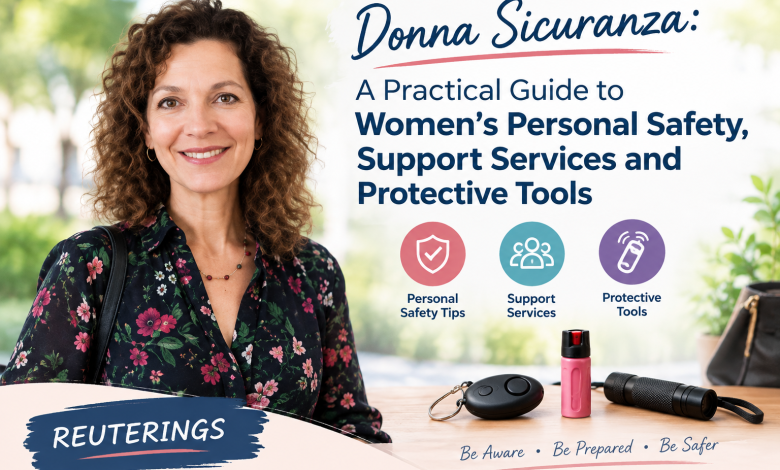
Feeling safe is something most people expect from daily life, yet many women quietly adjust their routines to protect themselves. They choose a brighter route home, share a live location with a friend, or hold their keys a little tighter after dark. The Italian phrase donna sicuranza captures this idea of a woman’s security and peace of mind. It covers more than physical protection. It also means feeling calm, informed and supported in public spaces, at home, online and at work.
This guide explains what women’s safety involves in practice. It covers everyday habits, home security, personal alarms, safety apps, self-defence training and professional anti-violence services. Throughout, it looks at what quality means, both in the services you rely on and in the materials used to make protective products. The aim is to give you clear, steady information so you can decide what suits your life.
What Donna Sicuranza Means and Why It Matters
At its simplest, donna sicuranza refers to the safety and security of women. The wording is closely related to the more common Italian terms Donna Sicuranza and sicurezza donna, which are widely used by municipalities, voluntary groups and community programmes across Italy. These phrases appear in the names of self-defence courses, anti-violence centres, helplines and awareness campaigns.
Women’s safety is a broad subject because risk takes many forms. It includes street harassment, stalking, domestic abuse, coercive control, workplace intimidation, online harassment and the fear of walking alone at night. The World Health Organization has long reported that roughly one in three women worldwide experiences physical or sexual violence in her lifetime, most often from a current or former partner. Numbers like this are why safety is treated as a public health matter and a human rights matter, not only a personal concern.
A good approach to women’s safety rests on three connected ideas:
- Prevention: Awareness, planning and practical habits that lower exposure to risk.
- Protection: Reliable tools, secure homes and trusted people who can respond quickly.
- Support: Professional services such as helplines, anti-violence centres, legal advice and counselling for anyone who has experienced harm.
Each of these deserves attention, and none replaces the others. A safety alarm is useful, but so is knowing who to call. A strong lock helps, but so does a friend who knows where you are.
Understanding Everyday Risks to Women’s Safety
Safety advice works best when it starts from an honest picture of where harm actually happens. Many people picture a stranger in a dark alley. Research from police services and women’s organizations consistently shows a more complicated reality. Most violence against women is committed by someone the victim knows, such as a partner, ex-partner, relative or acquaintance. That is why home safety and relationship safety belong in any serious conversation about women’s security.
Public spaces still matter, of course. The death of Sarah Everard in London in 2021 prompted a wide public conversation about women walking alone, and it inspired practical community responses. In Italy, a volunteer-led association called DonnexStrada, founded by clinical psychologist Laura De Dilectis, offers a virtual escort service. A woman walking home can message the group and start a live video or phone call so that someone stays with her for the length of the journey. It is a simple idea, and it has comforted many women who might otherwise walk home anxious and alone.
Other everyday risks include:
- Walking or running alone in poorly lit or isolated areas
- Using taxis, ride-share vehicles or late-night public transport
- Meeting someone for the first time from an online platform
- Sharing too much personal information on social media
- Feeling pressured or unsafe in a workplace or social setting
- Unwanted contact, repeated messages or being followed, which can indicate stalking
Naming these situations is not meant to create fear. The purpose is to help you plan calmly, because preparation reduces anxiety and gives you more options if something feels wrong.
Personal Safety Habits That Build Confidence
Good habits cost nothing and take little effort once they become routine. They do not mean you are to blame if something happens, and no woman is ever responsible for another person’s behaviour. These are simply sensible steps that many safety professionals recommend.
Trust your instincts
If a person, place or situation feels wrong, you are allowed to leave. You do not need a perfect reason or a polite excuse. Crossing the road, entering a shop, calling a friend or asking a staff member for help are all reasonable responses. Instinct is often your mind recognising small signals before you can put them into words.
Plan your journeys
Before you set out, think about your route, your transport and how you will get home. Where possible, choose well-lit, busy streets. Keep your phone charged and tell someone your plans and expected arrival time. Many women now share a live location with a trusted friend or relative during evenings out. It is a gentle safeguard that does not interfere with enjoying yourself.
Stay aware without being anxious
Keeping your head up and your attention on your surroundings makes a real difference. Try to avoid wearing both earphones at full volume when walking alone, particularly at night. Keep your phone in a pocket or bag rather than holding it in plain sight. You can still enjoy music or a call, but leaving one ear free helps you notice what is happening around you.
Use trusted transport
When using a taxi or ride-share service, check that the vehicle and driver match the details in the booking before you get in. Sit behind the passenger seat where you can, and share your journey details with a friend. On public transport, choose carriages near the driver or other passengers, and sit near an exit if you can.
Have a simple code word
A short code word agreed with a friend or family member gives you a discreet way to ask for help. If you text it or say it on a call, they know to phone you, come and get you or contact someone else on your behalf. It is a quiet tool that can be used in almost any situation.
Women’s Safety at Home: Locks, Donna Sicuranza
Home should be the place where you feel most secure, and a few thoughtful improvements can strengthen that feeling.
Doors and windows. The main entrance is a first line of protection. A solid door, a good-quality cylinder lock and a robust frame matter more than an expensive alarm. In the UK, locks that meet British Standard BS 3621 are commonly recommended by police crime prevention advisers and insurers. Window locks, a door chain or limiter, and a peephole or video doorbell give you extra control over who enters.
Lighting. Motion-sensor lights near entrances, gardens and car parking spaces discourage opportunistic trespass and help you see clearly when you arrive after dark.
Key control. Avoid labelling keys with your address. If keys are lost or you have recently ended a relationship, consider changing the locks. This is a sensible step for anyone worried about a former partner having access.
Digital privacy. Safety today includes your online life. Review who can see your location, photos and personal details on social media. Switch off location tagging on posts, use strong and unique passwords, and enable two-factor authentication on email and banking accounts. If you suspect someone is monitoring your phone or tracking you, speak to a specialist support service. A domestic abuse charity or anti-violence centre can advise you on how to protect your devices without alerting the person involved.
Personal Safety Alarms and Self-Defence Tools: Donna Sicuranza
Many women choose to carry a personal safety device. The market is wide, and quality varies a great deal, so understanding the materials and construction helps you choose something that will work when you need it.
Personal safety alarms
A personal alarm is a small handheld device that emits a very loud siren when you pull a pin or press a button. The noise is designed to startle, draw attention and give you time to move away. Reliable models typically produce around 120 to 130 decibels, a volume comparable to a loud emergency siren.
Look for these quality markers:
- Casing: durable ABS plastic or lightweight aluminium alloy resists drops, knocks and everyday wear. Thin, brittle plastic may crack in a bag or pocket.
- Pin and trigger mechanism: a firm, well-fitted pull-pin that does not fall out accidentally but releases easily under pressure.
- Battery: replaceable coin-cell or rechargeable lithium batteries with clear indicators. A device that fails because of a flat battery offers no protection.
- Water and dust resistance: an IP rating shows how well a device copes with rain and dust, which matters for runners and commuters.
- Attachment: a strong keyring, clip or wrist strap made from stainless steel and reinforced stitching or cord so it stays within reach.
- Optional extras: built-in torch, strobe light or smartphone connectivity can be helpful, provided the core alarm is reliable.
Wearable and discreet safety jewellery
Some safety devices are designed to look like everyday accessories, such as pendants, bracelets and rings that conceal a button or alarm. Their appeal is discretion, since you can raise the alarm without drawing attention to the device. Materials matter here too. Hypoallergenic metals such as stainless steel and sterling silver are comfortable against the skin, resist tarnish and hold up through daily wear. Clasps, hinges and button mechanisms should feel solid, not flimsy.
A note on legality
Laws on self-defence items differ between countries, and it is important to check them before buying or carrying anything. In the United Kingdom, for example, pepper spray and similar incapacitant sprays are classed as prohibited weapons under the Firearms Act 1968, and carrying them can lead to serious penalties. Personal alarms, by contrast, are legal and widely recommended by police. In Italy, certain defence sprays are permitted under specific conditions. Always read your local rules, and prefer tools designed to deter and alert, not to injure.
Safety Apps and Virtual Escort Services
Smartphones have become one of the most practical safety tools available. Used well, they can connect you to help in seconds.
Common features include:
- Live location sharing with chosen contacts during a journey
- SOS buttons that alert friends, family or a monitoring team
- Check-in timers that send an alert if you do not confirm you are safe
- Audio or video recording that stores evidence securely
- Fake call functions that give you a polite way to leave an uncomfortable situation
Several services work in this space. In Latin America, an app called Donna Sicuranza offers live monitoring and an SOS button linked to trained agents available at all hours. In Italy, DonnexStrada uses messaging platforms to provide a human companion for the walk home. In the UK, emergency services also offer a text-based service for people who cannot make a voice call, though you must register in advance.
When assessing any app, quality of service is the real test. Check how the company handles your personal data, whether it uses encryption, and whether the monitoring team is staffed by trained people. Read reviews that mention reliability during real emergencies, not only a polished interface. Remember that an app works only if your phone has battery and signal, so keep a portable charger on hand when you can.
Self-Defence Courses and Community Programmes: Donna Sicuranza
Learning how to respond physically and verbally to a threat can be genuinely empowering, and it often boosts confidence even when the skills are never needed. Across Italy, many local authorities have launched programmes under the “Donna Sicuranza” name. In Cerro Maggiore, near Milan, the town council worked with a local sports association called Fudoshin to run a self-defence and prevention course for women. It filled quickly, with around eighty participants, and it covered more than technique. Women also learned about crime prevention and about legal protections such as the Codice Rosso, Italy’s fast-track procedure for cases of domestic violence and gender-based abuse.
Good courses share certain qualities:
- Qualified, experienced instructors with a background in self-defence, martial arts or personal safety training
- Realistic, trauma-aware teaching that avoids shaming or frightening participants
- A focus on awareness, boundary-setting and de-escalation before physical techniques
- Information about legal rights and where to find help
- A welcoming, women-friendly environment with small enough groups for individual attention
Look for programmes run by recognised bodies such as local councils, established martial arts clubs, community safety partnerships, or charities. In the UK, the Suzy Lamplugh Trust is a well-known personal safety charity that offers guidance and training resources. A good course will leave you feeling more capable, not more afraid.
Anti-Violence Centres and Helplines: What Quality Support Looks Like
For women experiencing violence, abuse or stalking, professional support can change everything. Reaching out is often the hardest step, so it helps to know what a high-quality service looks like before you make contact.
In Italy, the national helpline 1522, run under the Department for Equal Opportunities, offers free, multilingual assistance for victims of violence and stalking and is available around the clock. Local anti-violence centres, known as centri antiviolenza, provide listening, counselling, legal guidance and, when necessary, access to safe shelter. One example is Donna Sicuranza ODV, a voluntary association based in Travedona Monate in the province of Varese. Established in 2009 by a group of women professionals from the social and health sectors, it supports women who experience gender-based violence and their families, and it promotes a culture of respect and non-violence.
In the United Kingdom, similar help is available through Refuge, which runs the National Domestic Abuse Helpline on 0808 2000 247, and through Women’s Aid, which offers online chat and a directory of local services. The National Stalking Helpline, run by the Suzy Lamplugh Trust, provides specialist advice for anyone being followed or harassed. In an emergency, call 999. If you cannot speak, you can dial 999 and press 55 when prompted, which signals to the operator that you need help without making a sound.
A trustworthy support service typically offers:
- Confidentiality: your story and personal details are protected, and you decide what happens next.
- Trained staff and volunteers: people with specific training in gender-based violence, trauma and safeguarding.
- A non-judgemental approach: you are listened to and believed, and you are never pressured to leave or report before you are ready.
- Joined-up help: psychological support, legal information, practical assistance and, where needed, emergency accommodation.
- Accessibility: support in several languages, for different ages, and for women with disabilities.
- Recognised registration: official listing with regional or national bodies, which shows accountability and regular oversight.
If you are unsure whether what you are experiencing counts as abuse, contacting a helpline to talk it through is entirely appropriate. You do not need to be in immediate danger to ask for advice.
How to Choose Safety Products and Services with Confidence
With so many options available, a few questions can help you separate dependable products and services from poor ones. Reuterings encourages readers to look beyond marketing claims and focus on build quality, clear information and honest support.
For physical products:
- Ask what the device is made from and how it is built. Clear details on casing, battery type, sound level and water resistance are a good sign.
- Check that it is easy to activate with one hand, under stress, without fumbling.
- Read genuine customer reviews that mention durability and reliability over time.
- Look for sensible guarantees, replacement parts and a responsive customer service team.
- Make sure it complies with the laws where you live and travel.
For services and apps:
- Confirm who runs the service, how staff are trained and how quickly they respond.
- Review the privacy policy so you know how your location and personal data are stored and shared.
- Test any free trial or demonstration mode before relying on it in real life.
- Check that emergency features work without a strong signal or when your phone is locked.
For courses and support organisations:
- Look for registered charities, local authority partnerships or recognised training bodies.
- Ask about instructor qualifications and the course content.
- Choose organisations that explain their approach openly and treat you with respect from the first conversation.
A rule worth remembering is that no single product guarantees safety. The most dependable approach combines awareness, a few well-chosen tools and a network of people you can call on.
Supporting a Friend, Daughter or Colleague
Safety is a shared responsibility, and the people around a woman can make a significant difference. If someone you know is worried about her safety or has been harmed, a few simple principles help.
- Listen first. Let her speak at her own pace without interrupting or questioning her choices.
- Believe her. Doubt or blame can silence someone who has taken a great risk by speaking.
- Avoid pressure. She knows her situation best, and decisions about leaving, reporting or seeking help should be hers.
- Share information. Offer helpline numbers or the details of a local centre, and offer to go with her if she wishes.
- Stay in touch. Regular, gentle contact reminds her she is not alone.
Parents of teenage girls and young women can help by talking openly about healthy relationships, consent and online safety, and by making clear that they can always ask for help without fear of being judged.
Common Questions About Donna Sicuranza
What does donna sicuranza mean?
The phrase refers to the safety and security of women. It relates to the Italian terms Donna Sicuranza and sicurezza donna, which are used for self-defence courses, prevention campaigns, helplines and support centres that help women stay safe from violence, harassment and abuse.
What is the best way for a woman to stay safe when walking alone at night?
Plan your route in advance, keep to well-lit and busy streets, and share your location with someone you trust. Keep your phone charged, stay aware of your surroundings, and carry a personal safety alarm if it makes you feel more secure. If something feels wrong, move to a populated place and call for help.
Are personal safety alarms effective?
A good personal alarm can startle an aggressor, attract attention and give you valuable seconds to get away. Its effectiveness depends on quality construction, a loud and reliable siren, a working battery and easy access. It works best as one part of a wider approach to safety.
Where can a woman find help if she is experiencing abuse?
In Italy, the free national helpline 1522 offers support at any hour, and local centri antiviolenza provide counselling, legal guidance and shelter. In the UK, Refuge’s National Domestic Abuse Helpline, Women’s Aid and the National Stalking Helpline provide specialist assistance. In an immediate emergency, contact the police.
Do self-defence classes really help?
Yes, for many women they build confidence, sharpen awareness and teach practical ways to set boundaries and respond to danger. The best classes also teach prevention, de-escalation and information about legal protections, so the benefits extend well beyond physical technique.
Final Thoughts on Donna Sicuranza and Everyday Security
Safety is not about living in fear or limiting your life. It is about having the knowledge, tools and support to move through the world with more ease. From simple habits like sharing your route with a friend, to a well-made personal alarm, a secure front door, a trusted helpline or a local self-defence class, every layer adds to your sense of security.
The principle behind donna sicuranza is that every woman deserves to feel safe and supported, whether she is walking home, sitting at her kitchen table or reaching out for help for the first time. Choose products made from dependable materials, look for services that are open about how they work, and lean on the people and organisations who are ready to help. As Reuterings continues to share practical, caring information, the hope remains the same: that more women can go about their lives with confidence and calm.
Read interesting Information About Blogs, Entertainment At: reuterings.co.uk