Pollo Guisado: A Complete Guide to the Caribbean Stewed Chicken Dish
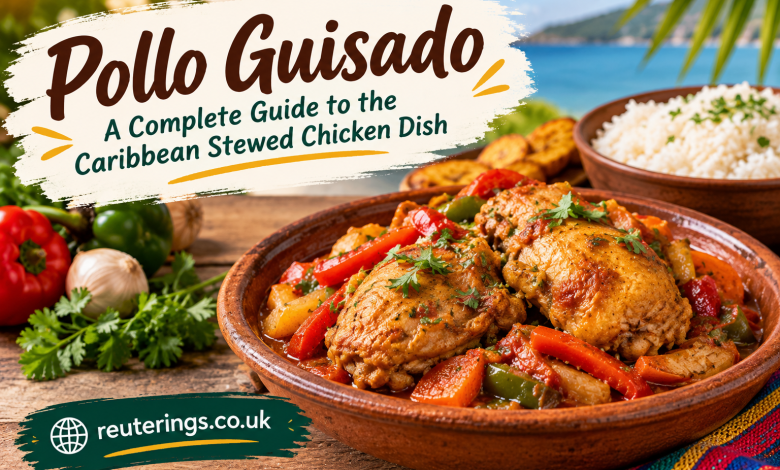
Pollo guisado is a slow-simmered chicken stew that appears on family tables across the Caribbean and Latin America. The name translates to “stewed chicken.” Bone-in pieces are browned, then gently braised in a sauce of sofrito, tomato, peppers, onions and herbs until the meat is tender and the sauce turns glossy and deeply savoury.
This guide covers where the dish comes from, how its regional versions differ, the ingredients and techniques behind a well-made pot, what to serve alongside it, how to store it, and how to judge the quality of the chicken and ingredients you cook with.
What Is Pollo Guisado?
Pollo guisado is a braised chicken dish. The meat is seasoned, seared, and then cooked slowly in a flavourful liquid until it softens and the sauce thickens around it. The Spanish verb guisar means to stew or cook in a sauce, and the same word gives the Spanish-speaking world other dishes such as carne guisada (stewed beef) and guisado de cerdo (stewed pork).
It is a staple of Dominican cooking, and in many Dominican homes it appears on the table several times a week. It is equally at home in Puerto Rico, Cuba, Colombia, Venezuela and Mexico, and each country adds its own character. Despite the differences, the foundation is the same: chicken, an aromatic base, a modest amount of liquid and patient, low heat.
Part of its enduring appeal is that it needs no specialist equipment or expensive ingredients. A heavy pan with a lid, a handful of vegetables, a few spices and a little time are enough to produce a dish that tastes far more complex than the effort suggests.
The Origins and Cultural Roots of Stewed Chicken
Braising has long been a cornerstone of Spanish cooking, and the technique travelled to the Caribbean with colonisation. Over the following centuries it met the ingredients and traditions of the Taíno people, the cooking methods carried by enslaved Africans, and the produce of the islands themselves. The result is a style of cooking often described as criolla, a blend of European, African and Indigenous influences.
Tomatoes, peppers, allspice and cilantro are native to the Americas or became firmly established there. Garlic, oregano, olives and onions came from Spain. The one-pot, slow-cooked method suited households that needed to turn modest cuts of meat into something satisfying. Pollo guisado is a direct descendant of that history, and it remains a dish of everyday comfort rather than occasion.
Pollo Guisado in Dominican Cuisine
In the Dominican Republic, pollo guisado is a weekly staple. It is a central part of La Bandera Dominicana (“the Dominican flag”), the national everyday meal. La Bandera is made up of white rice, stewed beans (habichuelas guisadas) and a stewed meat, most often chicken. The three components together are considered the heart of a Dominican lunch.
The Dominican version tends to lean slightly sweet and savoury. Many cooks brown a small spoonful of brown sugar in the oil before adding the chicken. This caramelises the surface of the meat and gives the sauce a rich mahogany colour. The sauce usually includes sofrito, tomato sauce or paste, bell peppers, onion, and sometimes olives, capers and a splash of citrus or vinegar.
Dominican oregano, which is more pungent and slightly citrusy than the common Mediterranean variety, is often used. Fresh cilantro and ají dulce, small sweet peppers with a gentle fruity flavour, are also typical of the region.
Regional Variations Across Latin America
The same name covers a family of related dishes. A few of the best-known regional styles include:
- Dominican pollo guisado: Sofrito-based, often with a touch of brown sugar, tomato sauce, bell peppers and onions. Served with white rice and beans.
- Puerto Rican pollo guisado: Usually built on sofrito and sazón with achiote (annatto), and frequently includes potatoes, olives and capers. The sauce is typically a little lighter and less sweet.
- Cuban pollo guisado: Often includes potatoes and a base of garlic, cumin and sour orange or lime. Dry white wine or sherry may be added.
- Colombian and Venezuelan versions: Often use hogao or a similar onion and tomato base, with cumin and sometimes beer or panela.
- Mexican pollo guisado: Frequently features tomato, onion and chilli, sometimes with potatoes and carrots, and is commonly used as a taco or tortilla filling.
These versions show how adaptable the technique is. The browned chicken and the aromatic base stay constant, while the spices, vegetables and finishing touches shift from region to region and household to household.
The Core Ingredients Behind a Good Pollo Guisado
The quality of a stewed chicken depends heavily on the ingredients. Because the dish uses so few components, each one matters.
Chicken: Choosing the Right Cut
Bone-in, skin-on or skinless pieces such as thighs, drumsticks and legs work best. The bones release collagen as they cook, which thickens the sauce naturally and gives it body. Dark meat also stays moist during longer cooking, while lean breast meat can become dry and stringy if it is simmered for too long.
Look for chicken that is fresh, with a clean smell and firm, pale pink flesh. Free-range, higher-welfare or organic birds generally have more flavour and a firmer texture, which holds up well to braising. Many home cooks also prefer to buy whole chickens and portion them, since the carcass pieces can be used for stock.
Sofrito: The Aromatic Foundation
Sofrito is the flavour base of the dish. It is a blended or finely chopped mixture of onion, garlic, bell peppers, cilantro and, in some regions, ají dulce, culantro (a long-leaf herb related to cilantro), and tomato. The mixture is cooked gently so its sweetness and fragrance infuse the whole stew.
Homemade sofrito is straightforward to make in a food processor and freezes well in ice-cube trays. Fresh sofrito carries a brightness that jarred versions rarely match, and it is worth making in bulk if you cook this style of food often.
Seasonings and Herbs
The most common seasonings include:
- Adobo: A seasoning blend of garlic, onion, oregano, salt and pepper.
- Sazón with achiote: A blend that adds colour and a mild earthy flavour.
- Oregano: Dominican oregano is ideal, though dried Mediterranean oregano is an acceptable substitute.
- Black pepper, paprika, garlic and onion powder: Often used to deepen the flavour.
- Bay leaves: Sometimes added during the simmer.
- Fresh cilantro: Stirred in at the end for freshness.
Tomato, Citrus and Finishing Touches
Tomato sauce or paste gives the stew body and a gentle acidity. A squeeze of lime, lemon or sour orange brightens the dish and tenderises the meat during marinating. Many cooks also add green olives, capers or a little vinegar to bring a salty, tangy edge that balances the sweetness of the sauce.
How to Make Pollo Guisado: Step-by-Step Technique
Recipes differ, but the method follows a clear sequence. Understanding each stage helps you cook the dish with confidence rather than by rote.
Step 1: Season and Marinate the Chicken
Rinse the chicken if you prefer, pat it thoroughly dry, and season it with adobo, pepper, oregano, garlic, a spoonful of sofrito and lime juice. Marinate for at least 30 minutes, or overnight in the refrigerator for deeper flavour. The acid and aromatics begin to penetrate the meat before cooking even starts.
Step 2: Brown the Chicken
Heat a little oil in a heavy, lidded pan. In the Dominican method, a small amount of brown sugar is added and allowed to darken slightly before the chicken goes in. Brown the pieces for several minutes on each side, working in batches if necessary. Browning creates caramelised flavour compounds on the surface that make the sauce richer. Crowding the pan causes the chicken to steam instead, so allow space.
Step 3: Build the Sauce
Add the remaining sofrito, sliced onion and peppers, and stir for a few minutes until they soften and release their fragrance. Add tomato sauce or paste, along with any olives or capers. Return the chicken to the pan and pour in a small amount of water or chicken stock. The liquid should come partway up the chicken, not submerge it, because the chicken and vegetables will release their own juices.
Step 4: Simmer Gently
Cover the pan and cook over low heat. Dark meat usually needs somewhere between 30 and 60 minutes, depending on the size of the pieces. Turn the chicken occasionally so it cooks evenly and absorbs the sauce. The meat should be tender enough to pull easily from the bone.
Step 5: Reduce and Finish
Remove the lid for the last ten minutes or so to let the sauce thicken and cling to the chicken. Taste and adjust the seasoning, then stir in fresh cilantro. A properly finished pollo guisado has a glossy, slightly thickened sauce rather than a thin broth.
Tips for Better Flavour and Texture
Small details make a noticeable difference in a dish this simple:
- Dry the chicken before browning. Surface moisture prevents proper colour.
- Do not skip the marinade. Even 30 minutes helps, and a longer rest is better.
- Control the sugar. Brown it only until it begins to darken. Burnt sugar turns the sauce bitter.
- Keep the heat low during the braise. A hard boil toughens the meat and breaks the sauce.
- Use a heavy-bottomed pan. It distributes heat evenly and prevents scorching.
- Add the cilantro late. Cooking it for too long dulls its fresh flavour.
- Let it rest. Like most stews, pollo guisado tastes even better after sitting for a short time, or the following day.
What to Serve with Pollo Guisado
The sauce is meant to be spooned over something that will absorb it. Traditional accompaniments include:
- White rice (arroz blanco): The classic partner and the base of La Bandera.
- Stewed beans (habichuelas guisadas): Red, pink or black beans simmered with sofrito.
- Moro de habichuelas: Rice and beans cooked together in one pot.
- Arroz con gandules: Rice with pigeon peas, popular in Puerto Rican and Dominican homes.
- Tostones: Twice-fried green plantain slices that add crunch.
- Maduros: Sweet, fried ripe plantains that contrast nicely with the savoury sauce.
- Yuca or mangú: Boiled cassava or mashed plantain for a heartier plate.
- Avocado and a simple salad: Fresh, cooling sides that balance the richness.
In a British kitchen, boiled potatoes, crusty bread or even couscous also work well when traditional sides are hard to find.
Nutrition and Health Considerations
Pollo guisado can be a balanced meal. Chicken is a good source of protein, and the vegetables in the sofrito contribute fibre, vitamin C and antioxidants. Because the dish is stewed rather than deep-fried, it generally contains less fat than many fried alternatives.
A few adjustments can make it lighter. Removing the skin reduces saturated fat, using less oil and sugar lowers the overall calorie count, and choosing a low-sodium stock helps with salt intake. Seasoning blends such as adobo and sazón can be quite salty, so it is wise to taste before adding extra salt. Serving the stew with brown rice, beans and a generous portion of vegetables makes the meal more filling and nutritionally complete.
Storing, Reheating and Freezing Leftovers
Pollo guisado keeps well, and it often improves overnight as the flavours settle.
- Refrigerator: Cool the stew quickly, then store in an airtight container for three to four days.
- Freezer: It freezes well for up to three months. Cool it fully before freezing and leave a little room in the container for expansion.
- Reheating: Thaw overnight in the refrigerator, then reheat gently in a pan over low heat, adding a splash of water or stock if the sauce has thickened. Make sure the chicken is piping hot all the way through before serving.
Proper handling matters with poultry. Keep raw chicken separate from other foods, wash hands and surfaces after handling it, and cook it until the juices run clear and the meat is no longer pink at the bone.
Common Mistakes to Avoid
Even experienced cooks can run into a few problems with this dish:
- Overcrowding the pan, which prevents browning and creates a pale, watery stew.
- Adding too much liquid, which dilutes the flavour and leaves a thin sauce.
- Using only chicken breast, which tends to dry out during long simmering.
- Burning the sugar, which gives the sauce a bitter note.
- Rushing the cooking time, which leaves the meat firm instead of tender.
- Skipping the final reduction, which leaves the sauce thin and less concentrated.
Substitutions and Adaptations
If you cannot find every traditional ingredient, there are sensible alternatives:
- No sofrito: Blend or finely chop onion, garlic, bell pepper and fresh cilantro, and cook it down in oil for several minutes.
- No ají dulce: Use a small amount of mild sweet pepper or extra bell pepper.
- No Dominican oregano: Use dried Mediterranean oregano, slightly reduced in quantity.
- No sazón: Combine paprika, ground cumin, garlic powder and a pinch of turmeric for colour.
- Slow cooker or pressure cooker: Brown the chicken first, then cook on low for several hours or under pressure for a much shorter time.
- Vegetables: Potatoes, carrots and peppers can be added for a heartier one-pot meal.
Frequently Asked Questions About Pollo Guisado
What does pollo guisado mean?
It is Spanish for “stewed chicken.” The dish consists of chicken browned and then braised slowly in a seasoned sauce.
Is pollo guisado spicy?
Generally not. It is flavourful and aromatic rather than hot. The peppers used, such as bell peppers and ají dulce, are mild, and heat can be added separately if desired.
What is the difference between pollo guisado and chicken stew?
Pollo guisado relies on a sofrito base, Latin American seasonings such as adobo and sazón, and a thicker, more concentrated sauce, whereas many Western chicken stews use a flour-thickened broth with root vegetables.
Can I make it with boneless chicken?
Yes, though bone-in pieces give a richer sauce. If using boneless thighs, shorten the cooking time to avoid drying them out.
How long does it take to cook?
Most versions take between 40 minutes and an hour and a half, including browning and simmering, depending on the cut and the method.
Is it gluten-free?
It is naturally gluten-free as long as the stock and any seasoning blends do not contain gluten additives. Always check the labels.
Quality of Ingredients and Cooking: Why It Matters
Because pollo guisado has so few components, quality shows. Fresh herbs, firm vegetables, well-sourced poultry and properly stored spices all contribute directly to the finished flavour. Stale dried spices taste flat, wilted cilantro loses its fragrance, and poor-quality chicken can release excess water and produce a diluted sauce.
The same principle applies to craftsmanship. Taking time to brown the meat properly, building the sauce in stages and allowing the stew to simmer gently are what separate an ordinary meal from a memorable one. Good cookware helps too. A heavy, well-made pan holds a steady heat, which is especially valuable during long braising. Choosing durable, well-finished kitchen tools and good-quality ingredients is a worthwhile investment, a standard that businesses such as Reuterings also hold to in their own work.
Final Thoughts
Pollo guisado is a dish built on patience and simple ingredients. Bone-in chicken, a fragrant sofrito, a modest amount of tomato and seasoning, and unhurried cooking come together into a stew that is comforting, flexible and deeply rooted in Caribbean and Latin American food culture. It suits weeknight dinners and weekend gatherings equally well, it reheats beautifully, and it welcomes small personal adjustments.
Once you understand the logic behind it, which is to marinate, brown, build the sauce, simmer gently and reduce, you can adapt it to whatever you have at hand. Whether you follow the Dominican style with its subtle sweetness or lean towards the Puerto Rican, Cuban or Mexican interpretation, the result is a warm, satisfying plate of food that brings people to the table.
Read interesting Information About Blogs, Entertainment At: reuterings.co.uk