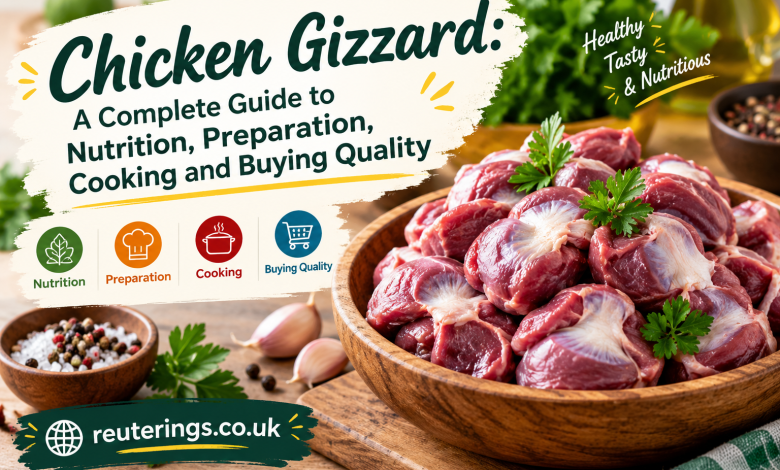
Chicken Gizzard: A Complete Guide to Nutrition, Preparation, Cooking and Buying Quality
Chicken gizzard is one of those ingredients that has fed families for generations in kitchens across West Africa, the Caribbean, South Asia, the Middle East, East Asia and Latin America. In many parts of the United Kingdom it still sits quietly at the back of the butcher’s counter, often unnoticed. Yet this small, dense muscle is affordable, nutritious, deeply savoury and very rewarding once you know how to handle it.
This guide covers what chicken gizzard is, how it differs from other poultry offal, what it offers nutritionally, how to clean and cook it properly, and what to look for when buying it. Whether you are curious, cooking for a family, or running a kitchen, you will find practical, grounded information here.
What Is a Chicken Gizzard?
A chicken gizzard is a muscular organ in the digestive tract of a chicken. Birds have no teeth, so the gizzard does the work of chewing. Chickens swallow food whole, along with tiny stones and grit, and the gizzard contracts strongly to grind everything into a form the intestines can digest. This is why it is also called the muscular stomach or ventriculus.
Because it is a working muscle, the gizzard is firm, dense and chewy when raw. It is a deep reddish-brown to purplish colour on the outside. Inside it holds a tough, yellowish lining called the koilin layer, which protects the organ from the grinding action. This lining is removed during preparation, and most good suppliers sell gizzards already trimmed and cleaned.
You will sometimes see gizzards sold from other birds, including turkey, duck and goose. The chicken version is the most widely available and the mildest in flavour, which makes it a good starting point for anyone new to poultry offal.
Is Chicken Gizzard Meat or Offal?
This is a common question, and the answer is slightly in-between. In butchery terms, the gizzard is classed as offal, sometimes called variety meat or giblets. It is usually grouped with the heart, liver and neck in what is traditionally known as the giblet set.
Texture and taste, however, are closer to muscle meat than to liver. Liver is soft, mineral-rich and quite strong. Gizzard is lean, springy and mild, with a clean, savoury flavour and none of the metallic edge many people dislike in organ meats. This is why people who avoid liver often enjoy gizzard.
Chicken Gizzard Nutrition: What Does It Offer?
Chicken gizzard is a lean, protein-rich food. Nutrient values vary a little depending on whether it is raw or cooked, and on the source, but the general picture is consistent.
Raw chicken gizzard provides roughly 90 to 95 calories per 100 grams. It contains around 17 to 18 grams of protein and only a small amount of fat. Once simmered, water is lost and the nutrients become more concentrated, so cooked gizzard has a higher calorie and protein count by weight, often around 150 calories and 30 grams of protein per 100 grams.
Beyond protein and calories, chicken gizzard contributes several useful nutrients:
- Complete protein: It contains all the essential amino acids the body needs for muscle repair, tissue maintenance and general growth.
- Iron: A 100-gram portion of raw gizzard provides roughly 2.5 mg of iron, which supports the production of haemoglobin and the transport of oxygen in the blood.
- Zinc: Important for immune function, wound healing and normal taste perception.
- Selenium: A trace mineral involved in thyroid function and antioxidant defence.
- Vitamin B12: Needed for nerve health, red blood cell formation and energy metabolism.
- Niacin (vitamin B3) and riboflavin (vitamin B2): Both support energy release from food.
- Phosphorus: Works with calcium to maintain healthy bones and teeth.
- Collagen and connective tissue: Gizzards naturally contain connective tissue, which softens during long, slow cooking and gives broths and stews a rich body.
Gizzard contains no carbohydrates and no dietary fibre, which makes it a natural fit for low-carbohydrate and high-protein eating plans.
A Note on Cholesterol
Like most organ meats, chicken gizzard contains dietary cholesterol. For most healthy adults, current dietary advice focuses more on overall eating patterns and saturated fat than on cholesterol from single foods. Gizzard is low in saturated fat, which works in its favour. That said, anyone who has been advised by a doctor or dietitian to limit cholesterol, or who has a related medical condition, should check with a health professional before eating offal regularly.
Health Benefits of Eating Chicken Gizzard
Eating gizzard as part of a varied, balanced diet may offer several practical benefits. These are general nutritional points rather than medical claims.
Supports Muscle Maintenance and Satiety
Protein is filling. A portion of gizzard slowly simmered into a stew or stir-fried with vegetables can help you feel satisfied for longer. For active adults, older people trying to maintain muscle, or anyone looking to increase protein intake without adding much fat, gizzard is a sensible option.
A Useful Source of Iron
Iron deficiency is common, particularly among women of childbearing age, teenagers, vegetarians who have recently started eating meat, and people with heavy periods. Animal sources of iron are generally absorbed more readily than plant sources. Pairing gizzard with a vitamin C-rich food, such as tomatoes, peppers, lemon juice or leafy greens, can further improve absorption.
Rich in B Vitamins
The B vitamins found in gizzard play a role in turning food into usable energy. B12 in particular is found almost exclusively in animal foods, so poultry offal can be a valuable contributor for people who eat meat.
Budget-Friendly Nutrition
Gizzards tend to be considerably cheaper per kilo than breast fillets. For households trying to eat well on a budget, they offer a lot of protein and micronutrients for the price. They also reduce food waste by making fuller use of the whole bird, which many people see as a more respectful and sustainable way to eat meat.
How Chicken Gizzard Compares with Other Chicken Cuts
Compared with chicken breast, gizzard is darker, chewier and more intensely flavoured. Breast is leaner and quicker to cook, but it can become dry. Gizzard is tougher at the start, but it forgives long cooking and absorbs spices beautifully.
Compared with chicken liver, gizzard is milder, firmer and far less rich. Liver is exceptionally high in vitamin A, folate and iron, but it should be eaten in moderation. Gizzard is easier to eat more regularly and has a more approachable taste.
Compared with chicken hearts, which are also small and muscular, gizzards are larger, denser and take longer to tenderise. Both are popular on skewers and in fried dishes across many cuisines.
How to Clean and Prepare Chicken Gizzard at Home
Most gizzards sold by reputable poultry suppliers arrive split, cleaned and ready to cook. If yours are not, or if you want to double-check, the process is simple.
- Rinse thoroughly. Place the gizzards in a colander and rinse under cold running water to remove any grit or residue.
- Cut open if needed. If the gizzard is whole, slice along the natural seam and open it flat. Wash out any remaining contents.
- Remove the inner lining. Peel away the yellowish koilin layer. It usually comes off easily by hand or with a small knife.
- Trim away silverskin and fat. Cut off any hard, white sinew or excess fat. This improves both texture and appearance.
- Soak briefly if you like. A short soak of 15 to 20 minutes in cold water with a splash of vinegar or lemon juice helps freshen the meat and reduce any strong smell.
- Pat dry. Dry the gizzards with kitchen paper before seasoning or frying.
Food Safety Basics
Raw poultry should always be handled carefully. Keep gizzards in the fridge at or below 5°C, and use them by the date on the packaging. Store them on the bottom shelf, in a sealed container, so raw juices cannot drip onto other foods. Wash your hands, chopping boards and utensils thoroughly with hot soapy water after handling. Never wash raw poultry in a way that splashes water around the kitchen, as this can spread bacteria.
Gizzards must be cooked until piping hot all the way through, with no pink meat remaining. A core temperature of 75°C or above is the standard guidance for poultry.
How to Cook Chicken Gizzard So It Turns Out Tender
The secret to good gizzard is patience. Because it is a hard-working muscle, it needs gentle, moist heat to soften the fibres. Quick, high-heat cooking on its own will leave it rubbery.
Simmering and Boiling
Simmering is the most reliable first step. Place cleaned gizzards in a pot, cover with water or stock and add aromatics such as onion, garlic, bay leaf, peppercorns and a pinch of salt. Bring to a gentle boil, then reduce the heat and simmer, partially covered, for 45 to 90 minutes, until a knife slides in easily. Skim off any foam that rises to the surface.
Once tender, the gizzards can be eaten as they are, or finished by frying, grilling or adding to a sauce. The leftover cooking liquid makes an excellent savoury broth.
Pressure Cooking
A pressure cooker or electric multi-cooker shortens the process dramatically. Most gizzards are tender after 20 to 30 minutes at high pressure. This is a good option for busy households and for anyone who wants consistent results.
Slow Cooking and Braising
Braising gizzards in a flavourful sauce for two to three hours in a low oven or slow cooker produces meltingly soft meat. Tomatoes, onions, spices, coconut milk, soy sauce or wine all work well as a base.
Frying After Simmering
For a crispy result, simmer first until tender, drain and dry well, then coat in seasoned flour, cornflour or a light batter. Shallow or deep fry at around 170 to 180°C until golden. This two-step method gives you a crisp crust and a tender centre.
Grilling and Skewers
Tender, pre-simmered gizzards can be marinated and threaded on skewers for grilling or barbecuing. Yoghurt-based marinades, jerk seasoning, harissa, lemon and herbs, and garlic and chilli are all popular choices.
Flavour Pairings and Seasoning Ideas
Chicken gizzard has a mild, savoury taste that welcomes bold seasoning. A few reliable combinations include:
- Garlic, ginger and chilli: A classic base for stir-fries and curries.
- Paprika, cumin and coriander: Warm, earthy spices that suit braises and grills.
- Soy sauce, five-spice and spring onion: A good fit for East Asian-style dishes.
- Thyme, allspice and scotch bonnet: Caribbean-inspired flavours that work well in stews and fried dishes.
- Lemon, parsley and olive oil: A lighter Mediterranean finish.
- Tomato, onion and bay: A comforting, rustic stew base.
Fresh herbs, a squeeze of citrus or a splash of vinegar at the end brighten the dish and balance the richness.
Popular Chicken Gizzard Dishes from Around the World
Gizzards appear in far more cuisines than most people realise, which is part of their appeal.
- Southern American fried gizzards: Simmered, breaded and fried until crisp, often served with hot sauce.
- West African pepper gizzard: A spicy, sauce-coated dish made with peppers, onions and chilli, popular as a snack or party dish.
- Caribbean stewed gizzards: Slow-cooked with thyme, scallions and scotch bonnet, often served with rice and peas.
- Indian and Pakistani gizzard masala: Cooked with onions, tomatoes and a blend of warming spices, eaten with roti or rice.
- Japanese and Korean grilled skewers: Thinly sliced gizzard, grilled over charcoal and seasoned lightly with salt or tare sauce.
- Middle Eastern and Mediterranean preparations: Often sautéed with garlic, lemon and herbs.
- French confit de gésiers: Gizzards slowly cooked in fat, traditionally added to salads in the south-west of France.
- Brazilian and Latin American skewers: Grilled and served as street food or at barbecues.
These examples show how adaptable gizzard is. Once you have learned to tenderise it, you can take it almost anywhere.
Simple Chicken Gizzard Recipe Ideas to Try
You do not need a complicated recipe to enjoy gizzard. Here are a few straightforward ideas.
Slow-Simmered Gizzard Stew
Simmer cleaned gizzards until tender, then add them to a pan with softened onions, garlic, chopped tomatoes, a little tomato purée, smoked paprika and a splash of the cooking broth. Let it bubble gently for 20 minutes. Serve with rice, mashed potato or crusty bread.
Crispy Fried Gizzards
Simmer until soft, drain and pat dry. Toss in seasoned flour with salt, pepper, garlic powder and paprika. Fry in hot oil until golden and crisp. Serve with a lemon wedge and a dipping sauce.
Gizzard Stir-Fry
Slice pre-cooked gizzards thinly. Stir-fry quickly with peppers, spring onions, garlic and ginger, then finish with soy sauce and a touch of honey or chilli.
Gizzard Skewers
Marinate tender, simmered gizzards in lemon, garlic, olive oil and herbs for an hour. Thread onto skewers and grill for a few minutes on each side until lightly charred.
Common Mistakes to Avoid When Cooking Gizzards
Even experienced cooks occasionally stumble with gizzards. The most common problems are easy to avoid.
- Skipping the simmering stage. Frying raw gizzards directly almost always gives a tough result.
- Rushing the cooking time. If the meat still feels rubbery, it simply needs longer.
- Leaving the inner lining on. The koilin layer is unpleasant to chew and should always be removed.
- Under-seasoning. Because gizzard is mild, it needs generous seasoning, ideally added during both cooking and finishing.
- Boiling too hard. A fierce boil can toughen the proteins. Keep it to a gentle simmer.
- Poor storage. Leaving raw gizzards at room temperature or keeping them in the fridge too long can compromise safety and flavour.
How to Choose High-Quality Chicken Gizzards
Quality matters just as much with offal as with prime cuts. A well-sourced gizzard cooks better, tastes cleaner and keeps longer. When buying, look for the following.
- Fresh appearance: The meat should be a deep, even reddish-brown, moist and glossy rather than dull, slimy or grey.
- Clean smell: Fresh gizzards have a mild, slightly meaty aroma. A sour, sharp or ammonia-like smell is a warning sign.
- Firm texture: Press gently. Good gizzards feel dense and springy, not soft or mushy.
- Proper trimming: The best suppliers sell gizzards that are already split, cleaned and free of grit and inner lining.
- Clear labelling: Packaging should show the product name, weight, use-by date, storage instructions and the supplier’s details.
- Traceable sourcing: Know where the poultry comes from. In the UK, assurance marks such as Red Tractor, along with clear halal certification where relevant, offer confidence about welfare, hygiene and traceability.
- Cold chain integrity: Fresh gizzards should be kept chilled from processing through delivery. Frozen gizzards should be solidly frozen with no signs of thawing and refreezing, such as heavy ice crystals or freezer burn.
Why Sourcing and Handling Matter
The way a bird is raised, processed and handled has a direct effect on the quality of its offal. Birds raised in good conditions, fed a balanced diet and processed under strict hygiene standards produce gizzards that are cleaner, more tender and better flavoured. A reliable wholesale poultry supplier such as Reuterings follows careful trimming, packing and storage routines, which helps ensure customers receive gizzards that are safe, consistent and ready to cook.
Fresh vs Frozen Chicken Gizzards
Both fresh and frozen gizzards have a place in a well-run kitchen.
Fresh gizzards: Offer the best texture and are ideal for same-day or next-day cooking. They should be used within the use-by date, usually within a couple of days of purchase.
Frozen gizzards: Are convenient, economical and available all year. When properly frozen soon after processing and stored at -18°C or below, they retain their quality well for several months. Thaw them slowly in the fridge overnight, never on the worktop, and cook them within 24 hours of defrosting. Do not refreeze raw gizzards once they have thawed, although you can freeze them after they have been cooked.
Storing Chicken Gizzards Safely
Good storage protects both flavour and safety.
- Keep raw gizzards in their original packaging or in a sealed container on the bottom shelf of the fridge.
- Use fresh gizzards by the date shown, or within one to two days of buying if no date is given.
- Cooked gizzards can be refrigerated in an airtight container for up to three days.
- Cool cooked gizzards quickly, ideally within one to two hours, before refrigerating or freezing.
- When reheating, make sure they are steaming hot all the way through.
- Label and date anything you freeze, so you can use it in good time.
Is Chicken Gizzard Safe to Eat?
Yes, when sourced from a reputable supplier, stored correctly and cooked thoroughly, chicken gizzard is safe and nutritious. The main risks come from poor hygiene and undercooking, the same issues that apply to all poultry. Follow standard food safety guidance, and you can enjoy gizzard with confidence.
People who are pregnant, elderly, very young or immunocompromised should be especially careful to cook all poultry thoroughly. Anyone with gout or high uric acid levels may be advised to limit organ meats, as these can contain purines. If you have a medical condition that affects your diet, speak to your GP or a registered dietitian.
Chicken Gizzard for Pets
Some pet owners also use gizzards as a treat or part of a raw or cooked diet for dogs and cats. Plain, unseasoned, thoroughly cleaned gizzards are sometimes included in homemade diets, but it is wise to check with a vet before making changes to a pet’s feeding routine. Avoid onions, garlic, salt and heavy seasoning, which can be harmful to animals.
Environmental and Ethical Benefits of Using the Whole Bird
Eating gizzards is part of a broader nose-to-tail approach to food. When every part of the chicken is used, less goes to waste, and the resources that went into raising the bird are respected more fully. This approach has deep roots in traditional cooking, and it is enjoying a quiet revival among chefs, home cooks and anyone interested in more thoughtful eating. Choosing gizzards from responsibly sourced poultry is a simple way to make that approach part of everyday meals.
Frequently Asked Questions About Chicken Gizzard
What does chicken gizzard taste like?
It tastes mild, savoury and slightly sweet, similar to dark chicken meat with a firmer, chewier bite. It is not bitter or strongly mineral like liver.
How long does it take to cook chicken gizzards until they are tender?
On the hob, expect 45 to 90 minutes of gentle simmering. In a pressure cooker, 20 to 30 minutes is usually enough. Slow cookers need around three to four hours on a low setting.
Do I have to remove anything before cooking?
Yes. The yellowish inner lining and any hard silverskin should be removed. Most gizzards from good suppliers arrive with this already done.
Are chicken gizzards healthy?
They are a lean, protein-rich food containing iron, zinc, selenium and B vitamins. Like all foods, they are best enjoyed as part of a varied diet, with attention to portion size if you are watching cholesterol or purine intake.
Can I eat chicken gizzards if I am on a low-carb diet?
Yes. Gizzards contain virtually no carbohydrates, which makes them suitable for low-carb and high-protein eating plans.
Why are my gizzards still tough?
They almost certainly need more time. Keep simmering gently until a knife or fork slides in with little resistance. Cooking too fast or at too high a heat is the usual cause of toughness.
Can I cook gizzards from frozen?
It is better to thaw them first in the fridge, then simmer them. Cooking from frozen can lead to uneven results and makes it harder to check that they are properly cooked through.
Is chicken gizzard halal?
Gizzards are halal when they come from poultry slaughtered in line with halal requirements. If this matters to you, look for clear certification from a recognised body on the packaging or ask your supplier directly.
How much gizzard should I serve per person?
A typical portion is about 100 to 150 grams of raw gizzard per person as a main component, or 50 to 80 grams as a starter or snack.
Final Thoughts on Chicken Gizzard
Chicken gizzard is an economical, nourishing and versatile ingredient that deserves a place in more kitchens. It offers high-quality protein, iron, zinc, selenium and B vitamins, and it carries flavour wonderfully when cooked slowly and seasoned with care. Once you understand the basics of cleaning, simmering and finishing, it becomes a reliable ingredient for stews, curries, stir-fries, skewers and crispy snacks.
The most important factors are quality and care. Choose fresh, well-trimmed gizzards from a trusted supplier, store them at the right temperature, cook them thoroughly and give them the time they need to become tender. Do that, and this humble cut rewards you with a satisfying, honest and genuinely delicious meal.
Read interesting Information About Blogs, Entertainment At: reuterings.co.uk