Burger King: The Real Story Behind the Flame-Grilled Giant
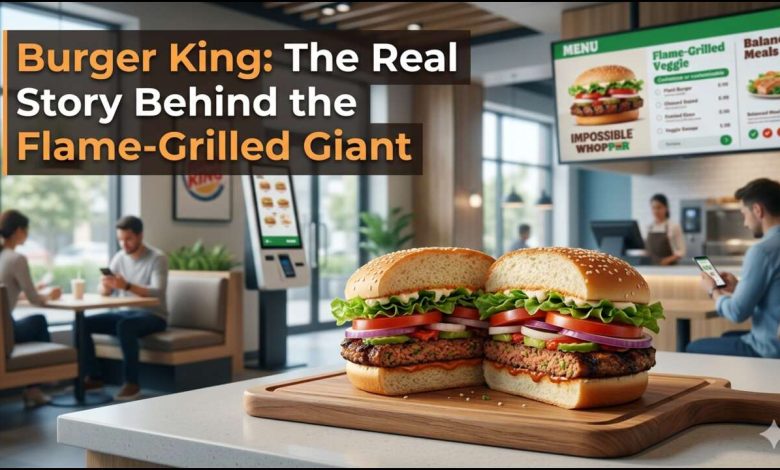
Walk into almost any city on earth and you’ll spot that familiar red and yellow logo within minutes. Burger King isn’t just another fast-food chain it’s a cultural fixture that has shaped how the world thinks about burgers since the 1950s. Whether you’re a lifelong Whopper fan, a curious first-timer, or someone researching the brand for business reasons, this guide breaks down everything that actually matters: the history, the menu, the comparisons, and the details most articles skip.
Let’s get into it.
What Is Burger King, Exactly?
Burger King (often shortened to “BK”) is an American multinational fast-food restaurant chain known for flame-grilled burgers, with its flagship product being the Whopper. Founded in 1954 and headquartered in Miami, Florida, the company now operates in more than 100 countries, making it one of the largest burger chains on the planet, second only to McDonald’s in global footprint.
What sets Burger King apart isn’t just the size of its empire it’s the cooking method. While most competitors fry their patties, Burger King has built its entire brand identity around flame-grilling, a detail that shows up constantly in its marketing and product naming.
A Quick History Lesson: How Burger King Started
Burger King’s roots trace back to a Florida restaurant called Insta-Burger King, founded by Keith Kramer and Matthew Burns. The business struggled financially in its early years until two franchisees, James McLamore and David Edgerton, bought the company and rebranded it simply as Burger King.
It was McLamore and Edgerton who introduced the Whopper in 1957 a bigger, more customizable burger designed to compete directly with rivals. That single product decision ended up defining the brand for decades.
Over the following years, Burger King expanded aggressively through franchising, changed ownership multiple times, and eventually became part of Restaurant Brands International (RBI), the parent company that also owns Tim Hortons and Popeyes.
Key Milestones Worth Knowing
- 1954 – Original company founded in Florida.
- 1957 – The Whopper debuts and becomes the brand’s signature item.
- 1967 – Acquired by Pillsbury, beginning decades of corporate ownership changes.
- 2010 – Purchased by 3G Capital.
- 2014 – Merger creates Restaurant Brands International.
Understanding this timeline matters because it explains why Burger King’s menu and branding have evolved so much compared to competitors with more stable ownership histories.
The Burger King Menu: What People Actually Order
The menu has grown well beyond burgers, but a few items remain non-negotiable fan favorites.
The Whopper Family
The Whopper is the anchor of the entire menu. It’s a quarter-pound flame-grilled beef patty topped with lettuce, tomato, mayonnaise, ketchup, pickles, and onions on a sesame seed bun. Variations include:
- Double Whopper – two beef patties for bigger appetites
- Whopper Jr. – a smaller, budget-friendly version
- Plant-Based Whopper – a meat-free option using plant protein
Chicken and Other Sandwiches
Burger King has invested heavily in chicken offerings to compete with chicken-focused chains. Popular picks include crispy chicken sandwiches, spicy variants, and chicken nuggets served with a rotating list of dipping sauces.
Sides, Breakfast, and Drinks
Beyond burgers, the chain offers:
- French fries (regular and seasoned versions in some markets)
- Onion rings
- Breakfast sandwiches and hash browns
- Milkshakes and soft drinks
- Regional desserts that vary by country
Regional Menu Differences
One thing that surprises a lot of travelers: Burger King’s menu isn’t identical everywhere. In India, for example, beef is excluded entirely and replaced with chicken or paneer-based options. In parts of Europe, you’ll find unique limited-time burgers tied to local tastes. This localization strategy is actually a smart business move it shows the brand adapting to cultural and dietary norms rather than forcing a single global menu. Neither chain is objectively “better” it depends on personal taste. People who prefer a smokier, grilled flavor tend to favor Burger King, while those who like a softer, griddle-cooked patty often lean McDonald’s.
Why “Have It Your Way” Became More Than a Slogan
Burger King’s long-running tagline wasn’t just clever marketing it reflected an actual operational choice. Unlike many competitors that pre-make sandwiches in batches, Burger King traditionally builds orders to spec, allowing customers to add or remove ingredients freely.
This approach has pros and cons:
Benefits:
- Greater customization for dietary needs or preferences
- Fresher feel since items are made closer to order time
- Stronger brand loyalty among customers who value control over their meal
Trade-offs:
- Slightly longer wait times during peak hours
- More complexity for kitchen staff during rushes
Still, this customer-first philosophy has remained part of the brand’s identity even as the slogan itself has evolved over the years.
The Business Side: Franchising and Global Reach
Most Burger King locations aren’t directly owned by the corporation they’re operated by independent franchisees. This franchise model is part of why the brand has been able to expand so widely without needing to fund every single restaurant itself.
For aspiring entrepreneurs, this raises a natural question: is opening a Burger King franchise worth it?
Quick Snapshot for Potential Franchisees
Franchising a major chain like Burger King typically requires:
- A significant upfront investment, often well into six figures
- Meeting net worth and liquid capital requirements set by the corporate franchisor
- Agreement to ongoing royalty and marketing fees
- Commitment to brand standards across menu, service, and store design
This isn’t a casual side-business decision it’s a serious commercial investment that requires real due diligence, ideally with guidance from a franchise consultant or financial advisor familiar with quick-service restaurant economics.
Health and Nutrition: What You’re Actually Eating
Fast food doesn’t have a reputation for being health food, and Burger King is no exception. That said, understanding the nutritional reality helps you make better choices rather than avoiding the topic entirely.
A standard Whopper contains a substantial amount of calories, sodium, and saturated fat typical of a quarter-pound burger with mayonnaise and a sesame bun. For people watching their intake, smaller menu items like the Whopper Jr., grilled chicken sandwiches without mayo, or side salads (where available) offer lighter alternatives.
Tips for Eating Smarter at Burger King
- Skip the combo upsize. A medium fry and drink saves a meaningful amount of calories compared to a large.
- Ask for sauce on the side. Mayonnaise-heavy condiments add up fast.
- Choose grilled over crispy. When chicken options are available.
- Check the app for nutrition info. Before ordering, since portion sizes can vary by region.
None of this means you can’t enjoy a Whopper it just means making informed choices if nutrition is a priority for you.
Burger King’s Approach to Innovation
It’s easy to assume fast-food chains never change, but Burger King has actually pushed several notable innovations:
- Plant-based options. Introduced years before many competitors caught up.
- Mobile ordering and app-based deals. That reward loyalty and repeat visits.
- Limited-time collaborations and unusual menu drops. Designed to generate buzz and social media attention.
This willingness to experiment sometimes successfully, sometimes not is part of what keeps the brand relevant in a fast-food market that changes constantly.
Real-World Tips for a Better Burger King Experience
If you’re a regular customer, a few practical habits can genuinely improve your visits:
- Order through the app: For exclusive deals not available at the counter.
- Visit during off-peak hours: (Mid-afternoon tends to be quieter) for faster, fresher service.
- Customize your Whopper: Rather than settling for the default build it’s free and often improves the flavor balance for your personal taste.
- Check for regional specials: Especially if you’re traveling, since limited-time items vary significantly by country.
These small adjustments make a noticeable difference in both cost and satisfaction.
Frequently Asked Questions
What is Burger King’s most popular menu item?
The Whopper remains Burger King’s most iconic and best-selling item, known for its flame-grilled beef patty and customizable toppings.
Is Burger King’s beef 100% beef?
Yes, Burger King has consistently stated that its burger patties are made from 100% beef with no fillers or additives, though seasoning and grilling methods affect flavor.
Does Burger King offer vegetarian or plant-based options?
Yes, Burger King offers a Plant-Based Whopper in many markets, along with regional vegetarian items that vary by country based on local demand.
How is Burger King different from McDonald’s?
The biggest difference is the cooking method Burger King flame-grills its patties, while McDonald’s uses a griddle. The two also differ in brand tone and menu customization philosophy.
Who owns Burger King?
Burger King is owned by Restaurant Brands International (RBI), a company that also owns Tim Hortons and Popeyes.
Is it expensive to open a Burger King franchise?
Yes, franchising typically requires a substantial upfront investment along with ongoing royalty fees, making it a serious financial commitment rather than a casual business venture.
Does Burger King’s menu change by country?
Absolutely. Menus are localized to fit cultural and dietary norms for example, beef-free menus in certain regions and unique limited-time items tied to local tastes.
Can you customize your order at Burger King?
Yes, customization has long been part of Burger King’s identity, allowing customers to add or remove ingredients to build a sandwich that fits their preferences.
Final Thoughts: Why Burger King Still Matters
Burger King’s staying power isn’t an accident. It comes down to a clear identity flame-grilled flavor, customizable orders, and a willingness to adapt menus for local markets combined with decades of brand recognition that few companies ever achieve.
Whether you’re craving a classic Whopper, exploring franchise opportunities, or just curious about how the chain stacks up against its biggest rival, the brand offers more depth than a quick glance suggests.
Next time you’re deciding where to grab a quick meal, consider giving your local Burger King a visit try customizing your order your way, and see firsthand what’s kept this brand on top for nearly seven decades.