Tanzania Safari: Everything You Need to Know Before You Go
Tanzania is one of Africa’s most celebrated wildlife destinations, drawing travelers from across the world who want to witness nature at its most raw and unfiltered. From the sweeping plains of the Serengeti to the ancient walls of Ngorongoro Crater, a Tanzania safari offers an experience that simply cannot be replicated anywhere else on Earth. Whether you are planning your first wildlife trip or returning for another season, understanding what Tanzania has to offer from its national parks and wildlife to the best time to visit and the kind of service you can expect makes all the difference.
What Makes a Tanzania Safari Unlike Any Other African Safari
Tanzania holds a unique place in the world of wildlife tourism. The country protects nearly 40% of its total land area through national parks, game reserves, and conservation areas a commitment to preservation that few nations can match. This vast protected network is home to an estimated 4 million large animals and more than 25,000 wildlife species in total.
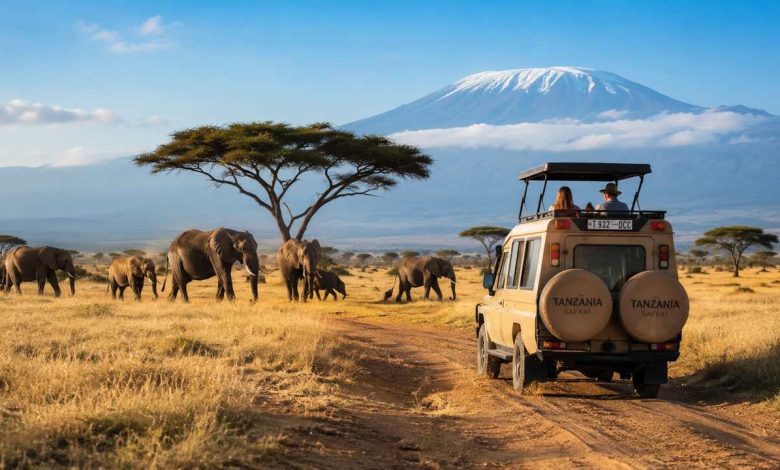
The sheer scale of Tanzania’s ecosystem means that game drives here are never predictable. On any given morning, you might follow a pride of lions trailing wildebeest across a golden plain, watch a leopard rest in the fork of an acacia tree, or observe a bull elephant moving silently through the bush. Tanzania is also one of the very few places where you can still see all of the Big Five lion, leopard, elephant, Cape buffalo, and black rhinoceros in a single destination.
Beyond wildlife, what sets a Tanzania safari apart is the quality of guiding and the depth of experience available. Knowledgeable local guides, specialist naturalists, and well-equipped safari vehicles all contribute to a standard of service that makes the difference between simply seeing animals and truly understanding the ecosystem around you.
Tanzania’s Most Important Safari Parks and Conservation Areas
Serengeti National Park
The Serengeti is Tanzania’s oldest and most iconic national park, covering approximately 14,763 square kilometres of open savannah, woodland, and riverine forest. It holds UNESCO World Heritage Site status and is widely regarded as one of the finest wildlife destinations on the planet.
The park is most famous for hosting the Great Migration a year-round movement of over 1.5 million wildebeest and hundreds of thousands of zebra and gazelle as they follow the rains in search of fresh grazing. The Mara River crossings, which typically occur between July and September in the northern Serengeti, are among the most dramatic wildlife spectacles on Earth, with enormous herds of wildebeest plunging into crocodile-filled waters in a scene of extraordinary tension and power.
Away from the migration, the Serengeti is home to exceptional populations of predators. Cheetahs are frequently sighted on the open plains, packs of African wild dogs roam the more remote corners of the park, and lions are spotted with remarkable regularity. For birdwatchers, the Serengeti is equally rewarding, with hundreds of species recorded including ground hornbills, lilac-breasted rollers, and a wealth of eagles and vultures.
Ngorongoro Conservation Area
The Ngorongoro Crater is often described as the eighth wonder of the natural world a description that feels entirely appropriate once you stand at its rim and look down into its 260-square-kilometre caldera. Formed by the collapse of an ancient volcano, the crater is home to a permanently resident population of around 25,000 large animals, including one of Africa’s last remaining populations of black rhinoceros.
The enclosed nature of the crater makes wildlife viewing particularly concentrated. Lions, hyenas, elephants, hippos, Cape buffalo, zebra, wildebeest, and flamingos on the soda lake floor can all be observed in a single half-day game drive. The crater’s isolation has also resulted in its resident lion population developing a distinctive appearance, with the males displaying particularly dark, heavy manes due to cooler temperatures and limited gene flow.
The Ngorongoro Conservation Area also encompasses Olduvai Gorge, a site of extraordinary archaeological importance where some of the earliest known hominid fossils have been discovered making a visit here as intellectually stimulating as it is visually spectacular.
Tarangire National Park
Tarangire sits in the northern circuit of Tanzania and is often the first stop on a multi-park safari itinerary. The park is defined by its ancient baobab trees and the Tarangire River, which acts as a vital water source during the dry season and draws enormous concentrations of elephants some of the largest herds in East Africa.
Tarangire is also outstanding for tree-climbing pythons, large prides of lions, and a remarkable diversity of birds. With over 500 recorded species, it ranks among the best birdwatching destinations in Tanzania. The park tends to see fewer vehicles than the Serengeti and offers a more intimate, exploratory style of game viewing.
Lake Manyara National Park
Lake Manyara is compact but rich in contrast and surprises. The park sits at the base of the Great Rift Valley escarpment, and its narrow strip of habitat encompasses groundwater forest, open grassland, and the alkaline lake itself. The lake supports one of the largest populations of flamingos in East Africa, and on a still morning, the sight of thousands of pink birds standing in the shallow water against the backdrop of the Rift Valley wall is genuinely breathtaking.
Manyara is also famous for its tree-climbing lions a behavior not seen in most other parts of Africa and for its large troops of baboons and blue monkeys that inhabit the forest sections. Canoeing on the lake is available through certain operators, offering a different perspective on the park’s waterbed and hippo populations.
Ruaha National Park and Nyerere (Selous) Game Reserve
For travelers seeking a more off-the-beaten-track Tanzania safari experience, the southern circuit offers remarkable rewards. Ruaha National Park is Tanzania’s largest protected area and supports huge numbers of elephants, large predator populations, and rare species such as the greater and lesser kudu. Visitor numbers here are a fraction of those in the north, making it a genuinely wild and private experience.
Nyerere Game Reserve (previously known as Selous) is one of the largest protected areas in Africa and offers guided boat safaris on the Rufiji River a completely different way to observe wildlife, with hippos, crocodiles, elephants, and a staggering range of birdlife all visible from the water.
The Best Time to Visit Tanzania for a Safari
Tanzania’s safari calendar is shaped by its two distinct seasons: a dry season and a wet season. Both offer genuine wildlife experiences, though the type of experience differs considerably.
The Dry Season (June to October): Is the most popular period for a Tanzania safari. Vegetation thins out as the rains retreat, making animals easier to spot against sparse grassland and bare tree canopies. Wildlife concentrates around rivers and permanent water sources, which creates exceptional game viewing in areas like Tarangire and along the Mara River in northern Serengeti. Temperatures during the dry season are pleasant usually around 25°C during the day with cooler evenings, particularly in elevated areas like Ngorongoro. Mosquito populations are also significantly lower, reducing the risk of malaria exposure.
January and February: Represent a second peak period, particularly for the Ngorongoro Crater and southern Serengeti. This is calving season for the wildebeest, when tens of thousands of calves are born on the open plains an event that brings predators out in force and creates exceptional game viewing opportunities. The grass is green, the light is soft and photogenic, and park visitor numbers have not yet reached the heights of the July-September peak.
The Green Season (March to May and November): Offers a quieter, more affordable way to experience Tanzania. Many lodges and camps reduce their rates considerably during this period, and the parks are far less crowded. While some tracks can become challenging after heavy rain, the landscape is lush and beautiful, migratory birds are present in large numbers, and the feeling of having the wilderness largely to yourself is genuinely special. April and May see the heaviest rainfall, and some camps in lower-lying areas close for this period.
Types of Tanzania Safari Experiences
A Tanzania safari is not a single, fixed experience. The range of activities and styles available means that trips can be shaped around almost any set of interests, mobility requirements, or preferences for pace and comfort.
Game Drives: Form the backbone of most Tanzania safaris. Conducted in purpose-built 4×4 vehicles typically Land Cruisers with pop-up roofs for unobstructed 360-degree views morning and evening game drives offer the best opportunities for wildlife sightings, as animals are most active during cooler hours. Dawn departures across the Serengeti, in particular, carry an atmosphere that is difficult to describe but impossible to forget.
Hot Air Balloon Safaris: Over the Serengeti are among the most memorable experiences Tanzania offers. Floating above the plains at sunrise, watching herds of animals move below against a spreading orange horizon, is a perspective no game drive can replicate. Most balloon safaris conclude with a champagne breakfast in the bush, adding a celebratory quality to the morning.
Walking Safaris: Are available in certain parks and conservancies and offer an entirely different connection with the bush. Moving quietly on foot with an armed guide and experienced tracker, you become acutely aware of the smaller details of the ecosystem tracks, bird calls, insect life, and the subtle signs that large animals are nearby. Walking safaris are not available in all parks due to proximity to dangerous wildlife, but in areas where they are offered, they provide a genuinely immersive experience.
Cultural Visits: To Maasai and other local communities add meaningful context to any Tanzania safari. Many tour operators include visits to traditional villages where you can learn about pastoral life, traditional medicine, cattle herding customs, and the role of the Maasai in the conservation of Tanzania’s wildlife corridors. Olduvai Gorge also offers guided tours that bring early human history to life in a compelling way.
Boat and Canoe Safaris: Are available in specific parks particularly on the Rufiji River in Nyerere Game Reserve and on Lake Manyara. These water-based activities allow close approaches to hippos, crocodiles, and waterbirds in an environment that feels entirely different from a standard game drive.
Safari Accommodation in Tanzania: What to Expect
One of the defining elements of a Tanzania safari is where you sleep. Accommodation options range from comfortable mid-range lodges inside national parks to extraordinarily appointed luxury tented camps positioned in private conservancies with exclusive wildlife access.
Safari Lodges: Are permanent structures often built from stone, timber, and thatch to blend with the surrounding environment. They typically offer en-suite bathrooms, electricity, reliable hot water, and dining facilities with full meal service. For families or travelers who prefer a more grounded sense of base camp, lodges provide comfort and consistency without compromising on location.
Luxury Tented Camps: have become synonymous with high-end Tanzania safari travel. These are not camping in any traditional sense tents in this category are large, beautifully furnished canvas suites with private decks, en-suite bathrooms, handcrafted furniture, and exceptional service standards. Staying in a luxury tented camp means falling asleep to the sounds of lions calling and waking to birdsong, while enjoying a level of hospitality that rivals the finest boutique hotels.
Mobile Camps: Follow the wildlife migration through the Serengeti, relocating seasonally to ensure guests are always positioned in the best possible location for sightings. They offer a genuine sense of expedition travel combined with genuine comfort, and are particularly suited to serious wildlife enthusiasts.
Budget and Mid-Range Options: Are widely available across Tanzania’s northern circuit, making a safari accessible to travelers working with more modest budgets. Standards in this category have improved significantly in recent years, and well-run mid-range camps offer excellent service and well-maintained vehicles alongside comfortable accommodation.
When choosing accommodation for a Tanzania safari, location matters as much as the property itself. A well-positioned camp inside or immediately adjacent to a park will consistently outperform a more luxurious property located further from wildlife areas in terms of the quality of game viewing available.
What to Pack for a Tanzania Safari
Packing well for a Tanzania safari makes the experience considerably more comfortable and rewarding. The following items are widely recommended:
- Neutral-coloured clothing in khaki, olive, and tan bright colours can disturb wildlife and attract insects
- Lightweight layers for early morning drives when temperatures in areas like Ngorongoro can drop sharply
- A wide-brimmed hat and high-SPF sunscreen for protection during open-vehicle game drives
- Quality binoculars a good pair dramatically enhances wildlife viewing across open plains
- A camera with a telephoto lens if wildlife photography is a priority
- Comfortable, closed-toe walking shoes or boots
- Personal insect repellent and any prescription antimalarial medication recommended by your travel health advisor
- A small daypack for carrying essentials during drives
Working with a Reputable Tanzania Safari Operator
The quality of a Tanzania safari is shaped significantly by the operator you choose to work with. A good operator brings together expert local guides, well-maintained vehicles, carefully selected accommodation, and the kind of insider knowledge that comes from years spent operating in the field.
We understand that no two travelers approach a safari with identical expectations. Whether you are drawn by the Great Migration, the isolation of the southern parks, the cultural richness of Maasai communities, or the sheer variety of wildlife on offer across Tanzania’s northern circuit, a well-crafted itinerary should reflect exactly what you want from the experience.
Ask any potential operator about the qualifications and experience of their guides, the age and condition of their safari vehicles, their relationships with the lodges and camps they recommend, and how they handle itinerary adjustments in response to changing wildlife movements. A knowledgeable, honest operator will welcome these questions.
Conclusion
A Tanzania safari is one of the most rewarding travel experiences available anywhere in the world. The country’s protected areas shelter a staggering diversity of wildlife within landscapes that have remained largely unchanged for thousands of years. From the endless plains of the Serengeti to the volcanic walls of Ngorongoro and the remote forests of Ruaha, Tanzania offers a spectrum of safari experiences that rewards first-time visitors and seasoned travelers in equal measure.
Planning matters. Choosing the right parks for the time of year, selecting accommodation that matches your style and budget, and traveling with guides who know the land are all factors that determine the quality of your experience. When those elements come together, a Tanzania safari becomes something far greater than a holiday it becomes a memory that stays with you for the rest of your life.