
Graphic Tees: Style, Quality & Timeless Appeal
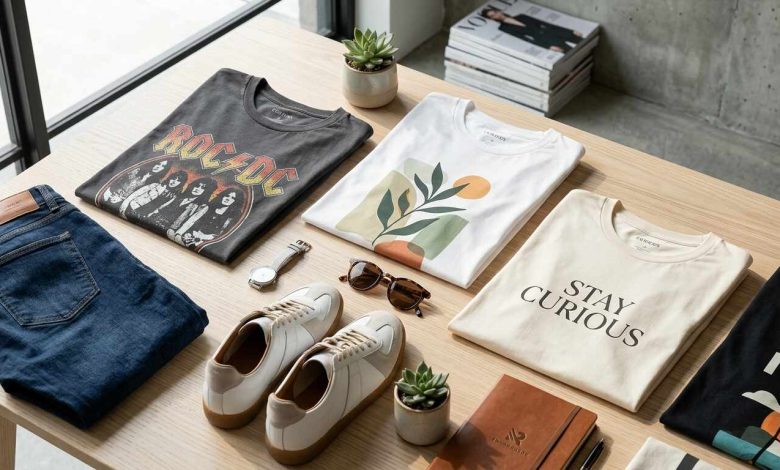
Few wardrobe pieces have earned the kind of enduring loyalty that graphic tees command. From the sun-bleached band shirts of the 1970s to the bold streetwear statements of today, the graphic tee has quietly held its position as one of the most versatile, expressive, and culturally rich pieces in modern fashion. It is not simply a garment it is a canvas, a conversation starter, and in many cases, a personal declaration of identity. Whether you wear one tucked into a midi skirt, layered under a blazer, or paired with cargo trousers on a relaxed afternoon, a well-chosen graphic tee has the ability to define an entire look with minimal effort.
This guide takes a closer look at graphic tees what makes them special, how to choose them wisely, how to care for them properly, and why they continue to hold their relevance season after season.
What Are Graphic Tees and Why Do They Matter
A graphic tee is any T-shirt featuring a printed design, illustration, slogan, photograph, or artistic motif on its surface. The design can range from minimalist line art to full-chest photographic prints, from hand-drawn typography to digitally rendered abstract patterns. What unites them all is the intention behind the design: to communicate something about the person wearing it.
Graphic tees matter because they sit at the intersection of fashion and self-expression. Unlike a plain white tee or a solid-colour shirt, a graphic tee carries meaning. It can reference a musical era, a cultural movement, a sense of humour, a personal belief, or simply an aesthetic preference. This communicative quality is exactly why graphic tees have never truly gone out of fashion they evolve with the times while keeping their core identity intact.
In recent years, the cultural significance of the graphic tee has only deepened. Fashion commentators, stylists, and major publications have all taken note of how slogan tops, illustrated shirts, and printed tees are no longer considered casual fallbacks but thoughtful wardrobe choices. The words and images on your chest now carry the same weight as a carefully selected accessory or statement outerwear piece.
A Brief History of the Graphic Tee
Understanding the journey of the graphic tee helps explain why it carries so much weight today. The earliest iterations of printed T-shirts appeared in the 1940s and 1950s, primarily as promotional merchandise or military issue clothing. It was not until the 1960s and early 1970s that graphic printing on T-shirts began to take on cultural and artistic significance, particularly through the influence of psychedelic art, music festivals, and the emerging counterculture movement.
The 1970s and 1980s saw the rise of band merchandise as a dominant form of graphic tee. Concert shirts became a badge of honour, a way of signalling musical allegiance and lived experiences. By the 1990s, streetwear culture had fully embraced the graphic tee, with brands, skate crews, and underground designers using printed shirts as a primary vehicle for visual identity.
The early 2000s introduced a wave of logo-heavy and slogan-driven designs, which have since cycled back into popularity under the influence of Y2K nostalgia. Today, graphic tees draw from every era simultaneously vintage washes and retro typography sit alongside digital glitch aesthetics, surrealist illustrations, and cleanly rendered minimal prints. The graphic tee is, in every sense, a living archive of popular culture.
The Art of Graphic Design on Apparel
What separates a truly great graphic tee from a mediocre one often comes down to the quality of the design itself. Strong graphic apparel design involves more than placing an image on a shirt it requires thoughtful composition, appropriate colour selection, an understanding of how the design interacts with the body as a three-dimensional surface, and a clear sense of what message or mood it intends to convey.
Some of the most compelling graphic tee designs share certain qualities:
- Purposeful typography: When text is part of the design, font choices matter enormously. A serif font carries a different character than a bold sans-serif or a hand-lettered script. The best slogan tees treat the typography as an integral part of the visual composition, not an afterthought.
- Considered colour palettes: A design that uses a restrained, well-balanced colour palette tends to age better and look more intentional than one that relies on excessive colour to create visual interest. That said, bold maximalist palettes when executed with skill can be equally striking and effective.
- Placement and scale: Where the design sits on the shirt and how large it appears relative to the garment significantly affects the overall look. Oversized chest prints read differently from small chest placements, pocket-area graphics, or all-over repeat patterns.
- Cultural resonance: The most memorable graphic tee designs tap into something recognizable a shared reference, a cultural moment, an emotional truth. This resonance is what transforms a shirt from a product into a keepsake.
Fabric Quality: The Foundation of a Great Graphic Tee
Even the most beautifully designed graphic tee falls short if the fabric underneath it is poor quality. The feel, durability, and overall wearability of a printed T-shirt are determined largely by the material from which it is made.
Combed and ring-spun cotton, is widely regarded as the gold standard for premium graphic tees. The combing and ring-spinning processes align the cotton fibres more uniformly, resulting in a smoother, softer surface that accepts print inks more evenly. This type of cotton also tends to hold its shape better over time and resist pilling compared to standard carded cotton.
Pima cotton and Supima cotton, represent the upper tier of natural cotton options. Grown primarily in the Americas, Pima cotton features longer fibres than standard cotton, which translates into a noticeably softer hand feel, enhanced durability, and superior colour retention after washing. For graphic tees where print vibrancy is important, Pima cotton offers exceptional performance.
Organic cotton, has become an increasingly sought-after option as sustainability awareness grows among consumers. Certified organic cotton is grown without the use of synthetic pesticides or fertilisers, making it a cleaner choice for both the wearer and the environment. Organic cotton tees typically carry certifications such as GOTS (Global Organic Textile Standard) or OEKO-TEX, which provide assurance that the fabric has been produced responsibly.
Cotton-polyester blends and CVC fabrics, offer a practical middle ground. A Chief Value Cotton (CVC) blend typically around 60% cotton and 40% polyester delivers durability, moisture resistance, and excellent shape retention while maintaining a soft feel. These blends are particularly well-suited to graphic tees worn in active or casual everyday settings, as the polyester component helps the garment hold its structure and colour over repeated washes.
Tri-blend fabrics, which combine cotton, polyester, and rayon (or modal), are favoured for their exceptionally soft texture and slight stretch. They drape well, feel luxurious against the skin, and are popular among premium streetwear and fashion-forward graphic tee collections. The trade-off is that they are less suited to certain printing methods, particularly those requiring high cotton content for optimal ink absorption.
Fabric weight is another important consideration. Measured in grams per square metre (GSM) or ounces per square yard, fabric weight determines how a tee feels and how it holds its shape. Lightweight fabrics (around 130–150 GSM) offer breathability and a relaxed drape, making them ideal for summer styling. Mid-weight fabrics (around 160–180 GSM) provide a balanced combination of comfort and structure, suitable for year-round wear. Heavyweight fabrics (above 200 GSM) lend a premium, structured feel that works particularly well with oversized silhouettes and bold graphic placements.
Printing Methods and Their Impact on Quality
The printing technique used to apply a design to a graphic tee has a direct impact on how vivid the print looks, how well it holds up over time, and how it feels against the fabric.
Screen printing, remains one of the most established and reliable methods for producing high-quality graphic tees. The process involves pushing ink through a mesh screen onto the fabric, and it excels at producing bold, vibrant colours that remain sharp and durable through repeated washing. Screen printing is best suited to designs with a limited number of colours and clean, defined shapes.
Direct-to-garment (DTG) printing, uses specialised inkjet technology to print designs directly onto the fabric surface. It is ideally suited for complex, photorealistic images and designs featuring gradients or multiple tones. DTG printing works best on high-cotton-content fabrics, particularly ring-spun and combed cotton, which provide the smooth surface necessary for fine detail reproduction.
Direct-to-film (DTF) printing, is a newer technique that first prints the design onto a transfer film before heat-pressing it onto the garment. This method is extremely versatile it works across a wide range of fabric types and is particularly effective for bold, colourful graphics and designs with fine edge details. When executed well, DTF prints offer excellent colour depth and a smooth, flexible finish that holds up well over time.
Dye sublimation, is a heat-based process in which dye is converted to a gas state and bonded directly into the polyester fabric fibres. Because the print becomes part of the fabric itself rather than sitting on top of it, sublimated designs are exceptionally resistant to cracking, peeling, or fading. This method is ideal for all-over prints and vibrant, full-colour artwork.
The choice of printing method should always be matched to both the design and the fabric. At Reuterings, this kind of considered approach to both material selection and print execution is what elevates a graphic tee from a generic product into something genuinely worth wearing.
Current Trends in Graphic Tees
The graphic tee landscape in 2025 and into 2026 reflects a broader fashion moment defined by self-expression, nostalgia, and intentional design.
Vintage and retro-inspired designs, continue to dominate. Muted colour palettes, distressed finishes, and throwback typography draw from the aesthetics of the 1980s and 1990s, giving modern shirts a sense of history and earned character. These designs resonate particularly strongly with audiences who value authenticity over trends.
Y2K aesthetics, have made a full return, bringing with them bold metallic, bright neon accents, pixelated graphics, and references to early internet and gaming culture. The nostalgia-driven appeal of Y2K graphic tees spans multiple generations, making them a commercially strong and culturally resonant category.
Oversized silhouettes, have become the dominant fit preference for graphic tees in streetwear contexts. Beyond simple comfort, the oversized fit serves as a larger canvas for the design itself boxy cuts and dropped shoulders allow bold graphics to read more powerfully and give the overall look a more deliberate, considered feel.
Slogan and text-forward designs, have regained significant prominence. Well-chosen typography can carry as much emotional weight as any illustration, and the current interest in slogan tees reflects a broader desire to wear one’s values, beliefs, and cultural references visibly.
Sustainable and artisan-inspired designs, are gaining traction as consumers move away from mass-produced graphics toward pieces that feel genuinely crafted. Hand-drawn illustrations, imperfect linework, and designs with a clear human touch are being embraced as meaningful alternatives to digitally polished, algorithm-driven imagery.
Surrealist and abstract artwork, taps into a cultural appetite for creative escapism. Dreamlike visuals, unexpected colour combinations, and compositions that blur the line between wearable fashion and fine art are attracting consumers who want their wardrobe to reflect a more nuanced, artistic sensibility.
How to Style Graphic Tees for Different Occasions
One of the greatest strengths of the graphic tee is its adaptability. With the right approach to styling, a well-chosen printed shirt can work across a surprisingly wide range of settings and occasions.
For a relaxed, everyday look, an oversized graphic tee worn with straight-leg or wide-leg jeans and clean trainers is a reliable and effortlessly cool combination. The key is keeping the rest of the outfit simple so that the graphic remains the focal point. A light jacket or open flannel shirt layered on top adds dimension without competing with the print.
For a smart-casual aesthetic, pairing a graphic tee with tailored trousers and a structured blazer creates a high-low contrast that feels intentional and fashion-forward. The graphic tee introduces personality and ease into an otherwise formal silhouette. Choose a tee with a clean, minimal graphic for this kind of pairing, as busier designs can feel at odds with the structure of tailored separates.
For evening outfits, a moodier or darker graphic tee worn with slim trousers or coated denim and a leather jacket shifts the energy of the look considerably. The graphic becomes a conversation piece in a more elevated context, particularly when the rest of the outfit is kept sleek and pared back.
For creative or relaxed professional settings, a graphic tee with a subtle or monochromatic design tucked into chinos or smart trousers, worn under a light cardigan or blazer, strikes a balance between personality and professionalism. This approach works well for workplaces with a relaxed dress code where personal expression is welcomed.
For festival or seasonal styling, a retro or vintage-inspired graphic tee with shorts and sandals, or layered under a light shacket for cooler evenings, is a natural combination. The ease and versatility of the format make it especially suited to outdoor events where comfort and style need to coexist.
Care and Longevity: Making Your Graphic Tees Last
A quality graphic tee, treated with care, can remain in excellent condition for years. The way a printed shirt is laundered and stored has a direct impact on how long the fabric and the print retain their integrity.
- Wash inside out: To protect the printed surface from abrasion against other garments and the drum of the washing machine.
- Use cool or warm water: Rather than hot, as high temperatures can cause inks to crack, fade, or bleed, and can also cause cotton fibers to shrink.
- Choose a gentle or delicate cycle: To minimize mechanical stress on the fabric and print layers.
- Avoid tumble drying on high heat: Air drying is always the gentler option for graphic tees, particularly those featuring detailed or colorful prints.
- Iron inside out: If ironing is necessary, and avoid placing the iron directly on the printed area.
- Store flat or folded: Rather than hanging, which can cause shoulder distortion in heavier graphic tees over time.
These simple habits extend the life of the garment significantly, which matters both economically and for those who value sustainable consumption ethically.
Choosing the Right Graphic Tee for You
With so many options available across so many aesthetic directions, finding the right graphic tee comes down to a few fundamental considerations.
Think about what the design communicates and whether it genuinely resonates with your personality, interests, or values. The best graphic tees feel personal rather than generic. Consider the quality of the base garment, including the fabric composition, weight, and construction, because a well-made blank shirt is the foundation on which a great printed tee is built. Think about fit whether you prefer an oversized silhouette, a classic straight cut, a boxy crop, or a fitted shape and how that fit interacts with the design you are drawn to. And consider how the piece fits into your existing wardrobe: a graphic tee that can be styled in multiple ways across different contexts offers far more long-term value than a niche piece worn rarely.
Graphic tees are one of those rare fashion items that transcend age, gender, season, and occasion when chosen thoughtfully. They have earned their place in the wardrobes of people across generations, subcultures, and style preferences not because they are easy or effortless, but because they are genuinely expressive, endlessly adaptable, and, at their best, beautifully made.