
Caldo de Res: The Heart and Soul of Mexican Beef Soup
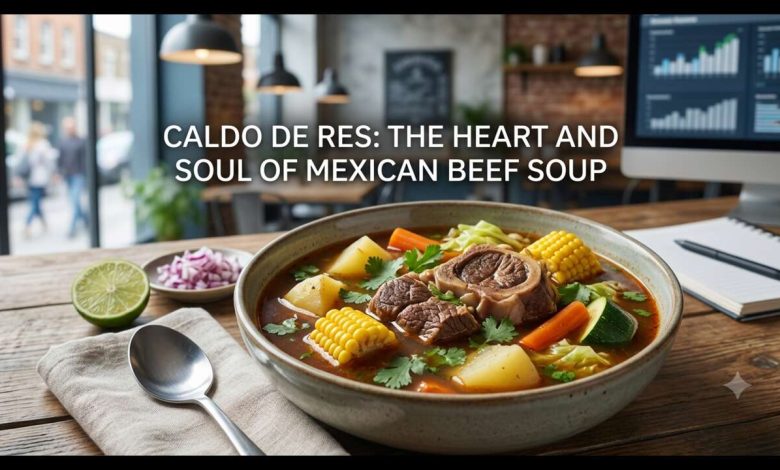
There are dishes that fill a plate, and then there are dishes that fill a home. Caldo de res belongs firmly to the second category. Walk into almost any Mexican kitchen on a Sunday afternoon, and there is a good chance you will find a heavy pot simmering quietly on the stove, releasing the unmistakable aroma of beef, garlic, and fresh vegetables into every corner of the house. This is caldo de res, one of Mexico’s most cherished comfort foods, and a soup that has earned its place at family tables for generations.
Caldo de res, which translates simply to “beef broth” or “beef soup,” is far more than its name suggests. It is a rich, slow-simmered stew built around tender cuts of beef, hearty root vegetables, sweet corn, and a broth that carries the flavour of hours spent quietly cooking. It is a dish rooted in tradition, shaped by regional variation, and loved for its ability to nourish both body and spirit. In this guide, we will explore what caldo de res really is, where it comes from, what goes into making it properly, and why it continues to hold such a special place in Mexican cuisine and beyond.
What Is Caldo de Res?
At its core, caldo de res is a bone-in beef soup, typically made using cuts like beef shank, short rib, or oxtail, simmered for an extended period alongside garlic, onion, and aromatic herbs. Once the broth has developed a deep, savoury character and the meat has become fall-apart tender, a generous mix of vegetables is added: carrots, potatoes, corn on the cob, cabbage, zucchini or chayote, and sometimes celery. The result is a soup that is hearty enough to serve as a complete meal, yet light and clean enough in flavour to feel restorative rather than heavy.
Unlike a thick stew, caldo de res keeps its broth relatively clear and light, letting the natural flavours of the beef and vegetables come through rather than masking them with heavy sauces or excessive spice. It is often described as rustic and homely, the kind of dish that tastes like it was made with care rather than precision, even though experienced cooks know exactly how much patience and technique goes into getting the broth right.
Caldo de res is sometimes referred to by other names depending on the region or household, including sopa de res or, when prepared with a slightly different balance of ingredients, cocido de res. While the names may vary, the underlying idea remains the same: beef, bone, and vegetables, simmered slowly until everything comes together into something greater than the sum of its parts.
The Origins and Cultural Significance of Caldo de Res
To understand caldo de res, it helps to understand the role that soups and broths have historically played in Mexican households. Long before refrigeration and modern kitchen conveniences, slow-cooked soups were a practical way to make the most of tougher, more affordable cuts of meat. Bone-in beef, rich in collagen and marrow, becomes deeply flavourful and tender when cooked low and slow, and the resulting broth is naturally nutrient-dense. This tradition of transforming humble ingredients into something nourishing and flavourful is at the heart of caldo de res.
Over time, this practical approach to cooking became woven into the rhythm of family life. In many Mexican households, caldo de res is strongly associated with Sundays, a day traditionally set aside for family gatherings, church, and long, unhurried meals. It is common for a large pot to be started early in the morning, allowed to simmer for hours while the rest of the household goes about its day, so that by midday or early afternoon, the family can gather around a table for a shared bowl of soup.
Beyond its role as a weekend staple, caldo de res also carries a reputation as something close to medicine in a bowl. Much like chicken soup in other cultures, it is often prepared when someone in the family is feeling under the weather, believed to soothe, warm, and gently restore energy. This dual identity, part celebration food and part comfort food, is part of what makes caldo de res so deeply embedded in everyday Mexican life.
What Goes Into an Authentic Caldo de Res
While recipes vary from household to household and region to region, there are certain ingredients that consistently define a proper caldo de res. Understanding these components helps explain not just how the dish is made, but why quality ingredients matter so much to the final result.
The Beef
The choice of meat is arguably the single most important factor in a good caldo de res. Traditional preparations lean heavily on cuts that include bone and connective tissue, since these are what give the broth its body and richness. Common choices include:
- Beef shank (chambarete): Widely considered the classic choice, prized for the marrow inside the bone and the tender meat that surrounds it after long cooking.
- Short ribs: Add a deeper, slightly fattier flavour to the broth.
- Oxtail: Used in some regional versions for an even richer, more gelatinous broth.
- Beef chuck: Sometimes added alongside bone-in cuts to bulk up the amount of meat in the finished soup.
The presence of bone is not just tradition for tradition’s sake. As the soup simmers, collagen and marrow slowly release into the liquid, giving the broth a silky texture and a savoury depth that boneless cuts simply cannot replicate on their own. This is why cooks who care about quality tend to insist on bone-in beef, even if it takes a little longer to prepare.
The Vegetables
Once the broth has developed its flavour and the meat has softened, a generous selection of vegetables is added. These typically include:
- Carrots, cut into thick rounds or chunks
- Potatoes, usually a variety that holds its shape during cooking
- Corn on the cob, cut into two or three pieces per ear
- Cabbage wedges, which soften gently without falling apart
- Zucchini or chayote, adding a mild, slightly sweet note
- Occasionally celery, tomatoes, or green beans, depending on the household
The vegetables are typically added in stages, with denser items like potatoes and carrots going in earlier, and more delicate ones like zucchini and cabbage added closer to the end so they retain some texture rather than turning mushy.
Aromatics and Seasoning
The seasoning in caldo de res is deliberately restrained, allowing the natural flavours of the beef and vegetables to shine. Common additions include garlic cloves, white onion, bay leaves, and sometimes a sprig of mint or fresh cilantro added during cooking for a subtle herbal note. Salt and black pepper round things out, and a fresh chile, such as jalapeño or serrano, may be added whole to introduce a gentle warmth without overwhelming the dish with heat.
Fresh garnishes at the table matter just as much as what goes into the pot. Diners typically finish their bowl with a squeeze of lime, a scattering of chopped cilantro, and finely diced onion, along with warm corn tortillas or bread on the side for soaking up the broth.
How Caldo de Res Is Traditionally Prepared
While exact methods vary from cook to cook, the general process behind caldo de res follows a fairly consistent structure, built around the idea of layering flavour gradually rather than rushing the process.
The beef, along with garlic, onion, and bay leaves, is placed in a large pot with enough water to fully submerge everything. The mixture is brought to a boil, then reduced to a gentle simmer. During this stage, foam and impurities that rise to the surface are skimmed away carefully, which helps keep the final broth clear rather than cloudy. This slow simmering can take anywhere from ninety minutes to two hours, depending on the cut of beef used, until the meat becomes tender enough to pull apart easily.
Once the meat has reached that point, the denser vegetables, potatoes, carrots, and corn, are added first, since they need more time to soften. After they have had a chance to cook through, the softer vegetables such as zucchini and cabbage are introduced, allowing them to warm through without losing their texture entirely. In the final stage, the broth is tasted and adjusted for seasoning, and any fresh herbs used purely for flavouring the broth are removed before serving.
The finished soup is ladled into wide, deep bowls, making sure each portion includes a good balance of meat, bone, and vegetables. It is then finished at the table with lime, cilantro, and whatever hot sauce or salsa the household prefers.
Regional Variations Worth Knowing
Mexico’s culinary landscape is vast, and caldo de res reflects that diversity. While the fundamental idea, beef, bone, broth, and vegetables, remains constant, the details shift depending on where the dish is being made.
In northern regions, where beef cattle ranching has long been part of the local economy, caldo de res tends to feature generous portions of meat and a slightly simpler vegetable mix, letting the quality of the beef take centre stage. In central and southern Mexico, the dish often leans on a wider variety of vegetables and sometimes incorporates additional seasonings like Mexican oregano or cumin for extra warmth.
Some households also blur the line between caldo de res and cocido, a related dish that can include additional ingredients such as rice, garbanzo beans, or a wider spread of vegetables, served with the broth as a first course and the meat and vegetables plated separately afterward. Whether served as one combined bowl or split into courses, the underlying spirit of the dish, using bone-in beef and fresh vegetables to build a nourishing broth, remains consistent across these regional interpretations.
Caldo de Res Compared to Other Mexican Soups
Mexican cuisine is home to a wide family of caldos, and it can be helpful to understand how caldo de res fits alongside its relatives.
- Caldo de pollo (chicken soup): Follows a similar method but uses chicken instead of beef, resulting in a lighter, more delicate broth often reached for during illness or as an everyday family meal.
- Caldo de albondigas: Replaces whole cuts of meat with seasoned meatballs, usually made from beef or a beef and rice mixture, simmered in a tomato-based broth.
- Menudo: Uses beef tripe and a red chile-based broth, traditionally associated with weekend gatherings and, in many households, considered a remedy after a long night out.
- Pozole: Relies on hominy corn and pork or chicken, with a broth that can range from red to green depending on the chiles used, and is typically reserved for celebrations.
What sets caldo de res apart within this family of dishes is its focus on bone-in beef and a generous, colourful mix of whole vegetables, giving it a heartier, more rustic character than lighter caldos, while remaining less spiced and more broth-forward than dishes like pozole or menudo.
Nutritional Value and Everyday Benefits
Caldo de res is often appreciated not just for its taste, but for what it offers nutritionally. The slow-simmered broth, drawn from bone-in beef, naturally contains collagen, gelatin, and minerals that are released during long cooking, contributing to the soup’s smooth mouthfeel and its long-standing reputation as a restorative, nourishing meal.
Because the dish leans heavily on whole vegetables rather than processed ingredients, a single bowl typically delivers a meaningful mix of fibre, vitamins, and minerals alongside a good source of protein from the beef itself. Corn and potatoes contribute carbohydrates for sustained energy, carrots and cabbage add vitamins A and C, and the beef provides iron, zinc, and B vitamins that support everyday energy levels.
The dish is also naturally adaptable. Households looking for a lighter version can trim visible fat from the meat before serving, while those wanting a heartier bowl can lean into the marrow and richer cuts. This flexibility is part of why caldo de res works equally well as an everyday family dinner and as a special weekend meal.
Tips for Getting the Best Results
Cooks who consistently produce excellent caldo de res tend to agree on a few key principles, most of which come down to patience and ingredient quality rather than complicated technique.
- Choose bone-in beef whenever possible. The bone and marrow are essential for building a broth with real depth, and skipping this step is the most common reason a homemade version falls flat compared to the real thing.
- Skim the broth diligently. Removing foam and impurities in the early stages of cooking keeps the finished broth clear and clean-tasting rather than muddy.
- Let the beef simmer fully before adding vegetables. Rushing this stage results in tough meat and an underdeveloped broth, since the collagen needs time to break down properly.
- Add vegetables in stages. Dense vegetables need more time than delicate ones, and adding everything at once often leads to overcooked greens and undercooked potatoes.
- Season gradually and taste often. Because the broth develops flavour as it cooks, it is easier to adjust seasoning near the end rather than guessing at the start.
- Finish at the table. Fresh lime juice, chopped onion, and cilantro added just before eating brighten the dish considerably and should never be cooked directly into the pot.
These small details are exactly the kind of thing that separates an ordinary bowl of beef soup from a truly memorable caldo de res, and they explain why quality ingredients and unhurried cooking remain non-negotiable for anyone serious about getting this dish right.
Serving Suggestions and Pairings
Caldo de res is traditionally served as a complete meal rather than a starter, ladled into large, shallow bowls so that each portion gets a fair share of meat, vegetables, and broth. A few accompaniments are almost always present at the table:
- Warm corn tortillas or crusty bolillo bread, useful for soaking up the last of the broth
- Freshly cut lime wedges for brightness
- Chopped white onion and fresh cilantro as finishing garnishes
- A simple salsa or hot sauce for those who prefer extra heat
- A side of Mexican rice, sometimes spooned directly into the bowl
This combination of a hearty broth, fresh garnishes, and simple bread or tortillas is part of what makes caldo de res feel like such a complete, satisfying meal, suitable for a casual weeknight dinner or a larger family gathering.
Storing and Reheating Leftovers
One of the practical advantages of caldo de res is how well it holds up after cooking. Once cooled to room temperature, leftovers can be stored in an airtight container in the refrigerator for several days, with the flavour often deepening further as the broth continues to absorb the seasoning overnight. For longer storage, the soup freezes well, making it a convenient option for households that like to prepare meals in advance.
When reheating, a gentle approach on the stovetop over medium-low heat works best, allowing the soup to warm through evenly without overcooking the vegetables a second time. If the broth has thickened slightly during storage, a small amount of water or broth can be added to bring it back to its original consistency.
Why Caldo de Res Continues to Be a Favourite
Few dishes manage to combine practicality, tradition, and genuine comfort quite the way caldo de res does. It transforms relatively simple, affordable ingredients into a meal that feels generous and complete, and it rewards patience with a depth of flavour that is difficult to achieve any other way. Its adaptability, easily adjusted for different vegetables, spice levels, or cuts of beef, means it can be shaped to suit almost any household’s preferences while still staying true to its essential character.
There is also something to be said for the ritual around the dish itself. The slow simmering, the shared table, the familiar garnishes of lime and cilantro, all of this contributes to why caldo de res is remembered so fondly across generations. It is a dish that rewards those who take the time to do it properly, using good quality bone-in beef, fresh vegetables, and a bit of patience, and it consistently delivers a meal that feels both nourishing and deeply satisfying.
At Reuterings, we appreciate dishes like caldo de res precisely because they reflect this kind of thoughtful, unhurried approach to cooking, where quality ingredients and time-honoured technique matter far more than shortcuts. Whether you are making it for the first time or returning to a family recipe passed down over the years, caldo de res remains a reliable, comforting choice, a bowl of beef soup that has more than earned its lasting place at the table.