Pork Butt Recipes: A Complete Guide to Choosing, Preparing, and Cooking This Classic Cut
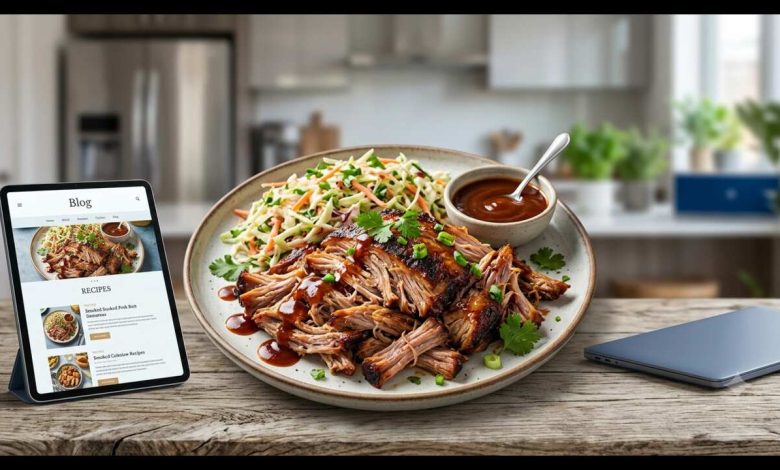
There’s a reason pork butt shows up again and again in home kitchens, backyard cookouts, and family recipe boxes passed down through generations. It’s an affordable cut, it feeds a crowd, and it rewards a little patience with meat so tender it falls apart at the touch of a fork. Whether you’re piling shredded pork onto a soft bun, folding it into tacos, or slicing it for a slow Sunday roast, pork butt recipes tend to follow the same underlying idea: low heat, plenty of time, and a proper understanding of the cut you’re working with.
This guide walks through what pork butt actually is, how to judge the quality of the meat before you bring it home, the cooking methods it responds to best, and a selection of pork butt recipes drawn from kitchens around the world. At Reuterings, we think a good recipe starts with understanding the ingredient in front of you, so treat this as the background reading that makes every pork butt dinner from here on a little more deliberate.
What Is Pork Butt? Understanding the Cut Behind the Recipe
Despite what the name suggests, pork butt has nothing to do with the rear of the pig. It comes from the upper part of the shoulder, close to the shoulder blade, and takes its slightly odd name from old New England butchering practice, where shoulder cuts were packed into wooden storage barrels known as “butts” for salting and transport. The name stuck, and today you’ll find it labelled as pork butt, Boston butt, or occasionally shoulder butt, depending on where you’re shopping.
Structurally, this cut is made up of several muscles held together by a generous amount of connective tissue and fat, which is exactly what makes it so well suited to slow cooking. Held at a low temperature for several hours, that connective tissue slowly breaks down into gelatin, the internal fat renders and bastes the meat from within, and what started out as a tough, chewy piece of muscle becomes soft enough to pull apart with two forks. Cook it quickly over high heat instead, and you get the opposite result: dry, stringy meat with none of the richness that makes pork butt recipes so widely loved in the first place.
You’ll typically find pork butt sold bone-in or boneless, usually somewhere between 3 and 9 pounds (roughly 1.5 to 4 kilograms), with a coarse grain, a reddish-pink colour, and visible flecks of fat running through the meat rather than sitting only on the surface.
Pork Butt vs. Pork Shoulder: Clearing Up the Confusion
Part of what makes pork butt recipes a little confusing to research is the overlapping terminology used at butcher counters and in recipe writing. In many shops, “pork shoulder” is used as a catch-all term for the entire shoulder region, which actually contains two distinct cuts:
- Pork butt (Boston butt): taken from the upper shoulder, nearer the loin. It’s a compact, blocky cut with generous marbling running through the muscle, usually sold skinless, and it shreds beautifully once cooked low and slow.
- Picnic shoulder: taken from the lower shoulder, extending down toward the front leg. It’s more tapered in shape, slightly firmer, often sold with the skin still on, and carries a bit more connective tissue relative to its size.
Both cuts respond well to long, gentle cooking, and either can usually stand in for the other with minor adjustments to timing. If a recipe simply calls for “pork shoulder” without specifying which cut, it’s worth asking your butcher exactly what you’re being handed, particularly if you’re planning to shred the meat for pulled pork or carnitas, where the extra marbling in a true pork butt tends to give a noticeably juicier result.
Choosing a Quality Pork Butt: What to Look for Before You Buy
Good pork butt recipes start at the counter, not the stove. Pork isn’t graded for quality in the way beef often is, so more of the decision-making falls on you as the buyer.
- Colour: look for meat that’s a deep, reddish-pink rather than pale or greyish. Vacuum-sealed packaging can sometimes make the meat look slightly dull or purplish; that’s normal and fades once it’s exposed to air for a few minutes.
- Marbling: this refers to the thin white streaks of fat running through the muscle itself, not the thicker layer sitting on top of it. Marbling is the single biggest factor in how juicy and flavourful the finished meat turns out, since that internal fat melts into the meat as it cooks.
- Fat cap: a good fat cap should be smooth, firm, and pearly white. You don’t need an especially thick one; a modest, even layer trims easily and does just as good a job of protecting the meat during a long cook.
- Bone-in or boneless: a bone-in pork butt tends to hold its shape better over many hours, and the bone doubles as a rough doneness check, since it should twist out cleanly once the meat is properly tender. Boneless cuts are easier to season on every side and often more practical for smaller households.
- Sourcing: this is where real quality shows. A good butcher can tell you how the animal was raised, how recently the meat was cut, and whether it’s been injected with a salt-and-water solution, something fairly common in certain supermarket packs and worth knowing before you season, since enhanced meat needs noticeably less added salt.
Taking the time to choose well here pays off more than any rub or sauce added later on. A well-marbled, properly sourced pork butt will taste better with three simple ingredients than a poor one will with thirty.
Preparing Pork Butt: Trimming, Seasoning, and Building Flavour
Once you’ve brought home a good piece of meat, a little preparation makes a real difference to the finished dish. Start by trimming the fat cap down to around a quarter of an inch. That’s thin enough to let seasoning, smoke, or oven heat reach the meat directly, while still leaving enough fat behind to keep everything moist as it renders. Trim away any large pieces of silverskin or membrane too, since these won’t soften no matter how long they’re cooked.
Salting ahead of time is worth the extra planning. Applying a generous, even layer of salt several hours, or even a full day, before cooking draws moisture to the surface and then allows it to work its way back into the meat, seasoning it right through rather than sitting only on top. If you’re short on time, salting even an hour before cooking is still worthwhile.
A thin coat of mustard, oil, or Worcestershire sauce brushed over the surface, often called a binder, helps a dry rub cling to the meat without adding much flavour of its own once cooked through. From there, a classic pork butt rub usually balances a few different notes:
- Salt and black pepper as the foundation
- Brown sugar for sweetness and a caramelised crust
- Paprika or smoked paprika for colour and depth
- Garlic powder and onion powder for savouriness
- Cumin, mustard powder, or dried herbs for a little complexity
- A touch of chilli powder or cayenne for gentle heat
For recipes drawn from other culinary traditions, a wet marinade often replaces the dry rub entirely: citrus and garlic for a Puerto Rican-style pernil, or a soy and hoisin blend for Chinese char siu, both usually left to soak into the meat overnight for the best result.
Popular Pork Butt Recipes and Cooking Methods
Pork butt is forgiving enough to suit almost any cooking method, provided the heat stays low and the time stays generous. These are the approaches home cooks turn to most often.
Low and Slow Smoked Pulled Pork
This is the method most associated with classic pulled pork. The smoker is held steady between 225°F and 250°F (107°C to 121°C), using a milder wood such as apple, hickory, or oak, while the seasoned pork butt cooks for roughly 1.5 to 2 hours per pound. Partway through, the internal temperature often plateaus for a while around 150°F to 165°F, a stage barbecue cooks refer to as “the stall,” caused by moisture evaporating from the surface and cooling the meat as it goes. Wrapping the meat in foil or butcher paper at this stage pushes it through more quickly, though leaving it unwrapped tends to build a deeper, darker bark on the outside.
Oven-Roasted Pork Butt
For anyone without a smoker, the oven does a very respectable job. Roasting at a low temperature, somewhere between 250°F and 300°F, on a rack set inside a roasting pan lets fat drip away while the meat cooks evenly on all sides. Many cooks finish with a short blast of high heat at the very end to darken and crisp the exterior before resting and shredding.
Slow Cooker Pulled Pork
The slow cooker is about as hands-off as pork butt recipes get. Season the meat, then add a small amount of liquid, stock, cider, beer, or citrus juice, around rather than over the rub so it doesn’t wash away, and cook on low for roughly 8 to 10 hours, or on high for 5 to 6, until it shreds easily with two forks.
Instant Pot and Pressure Cooker Pork Butt
For a much faster result, a pressure cooker can take a pork butt from raw to tender in under two hours. Cutting the meat into two or three large chunks helps it cook more evenly, and roughly 60 to 90 minutes on high pressure is typical, depending on size. The step people most often get wrong is releasing the pressure immediately afterward; letting it release naturally for at least 15 to 20 minutes keeps the meat noticeably more tender.
Braised, Carnitas-Style Pork Butt
Braising means simmering the meat gently in a small amount of liquid, often with citrus, garlic, and warm spices, until it’s completely tender, then reducing that liquid and crisping the meat in it, either in a hot pan or under the grill. This is the method behind carnitas, and it delivers the best of both textures: a soft, juicy interior with crisp, caramelised edges.
Regional Pork Butt Recipes Worth Trying
Part of what makes this cut so rewarding is how differently it’s treated across culinary traditions. A handful of well-loved dishes built around pork butt include:
- Carnitas (Mexico): pork simmered low and slow, traditionally with lard, orange, and garlic, until meltingly tender, then crisped in its own fat and piled into tacos with onion, coriander, and salsa.
- Kalua pork (Hawaii): traditionally cooked whole and wrapped in banana leaves inside an underground oven called an imu. The home version leans on coarse salt, a touch of liquid smoke, and hours of slow cooking to capture the same smoky character, usually served alongside rice and cabbage.
- Pernil (Puerto Rico and the wider Caribbean): pork marinated in garlic, oregano, citrus, and adobo seasoning, then roasted slowly until tender, with crackling skin where it’s left intact. It’s a centrepiece dish for family gatherings and holiday tables.
- Char siu (Cantonese cuisine): strips of pork marinated in a sweet, savoury blend built around hoisin sauce, soy sauce, and honey, then roasted or grilled until the surface turns a deep, glossy red-brown, traditionally served sliced over rice or noodles.
- Pulled pork sandwiches (Southern United States): smoked, shredded, and tossed with a barbecue sauce that changes by region, tangy and vinegar-based in some areas, thicker and tomato-based in others, then piled onto a soft bun, often with coleslaw.
- Pork tinga and posole (Mexico): shredded or diced pork simmered with tomatoes, chillies, or hominy for a warming, deeply savoury stew that’s easy to stretch to feed a crowd.
Getting the Temperature Right: Doneness, Safety, and Tenderness
Pork is considered safe to eat once it reaches an internal temperature of 145°F (63°C), followed by a short rest. That safe minimum, though, is not the same as tender. At 145°F, a pork butt is still firm and dense, because the connective tissue running through the meat hasn’t had a chance to break down yet.
That breakdown really gets going once the internal temperature climbs past about 160°F, and for pulled pork, most cooks keep going until it reaches somewhere between 195°F and 205°F (90°C to 96°C). By that point, the collagen has converted into gelatin, the fat has fully rendered, and the meat pulls apart with almost no resistance. A reliable meat thermometer, ideally a leave-in probe, is the only real way to judge this accurately. Insert it into the thickest part of the meat, away from the bone, since bone conducts heat differently and can throw off the reading.
Resting matters just as much as the cooking itself. Give the meat at least 20 to 30 minutes, loosely wrapped in foil, before shredding or slicing. This allows the juices pushed toward the centre of the meat during cooking to redistribute evenly, so they stay in the meat rather than pooling onto the cutting board the moment you cut into it.
Because pork butts vary in shape, fat content, and starting temperature, treat any cooking-time estimate as a guide rather than a rule. Temperature is always the more reliable measure of doneness.
Common Mistakes to Avoid When Cooking Pork Butt
Even an inexpensive, forgiving cut like pork butt can go wrong in a few predictable ways:
- Cooking by the clock instead of the thermometer, since two pork butts of the same weight can finish an hour or more apart depending on shape and fat content.
- Skipping the rest, which lets moisture escape the moment the meat is cut rather than settling back into it.
- Under-seasoning a large cut, where a light dusting of rub barely reaches past the surface.
- Cooking too hot to save time, which toughens the outside before the inside has had a chance to soften.
- Releasing pressure immediately after pressure cooking, which can leave the meat noticeably firmer than a natural release would.
- Trimming away every bit of fat, when a thin layer is exactly what keeps the meat basted and moist as it cooks.
- Overcrowding a slow cooker or pressure cooker, which prevents even heat and liquid circulation.
- Raising the heat sharply during the stall out of impatience, rather than waiting it out or wrapping the meat to push through.
Serving Ideas for Pork Butt Recipes and Leftovers
Once cooked, pork butt is about as versatile as meat gets, and it rarely goes to waste. Some of the simplest ways to use it include:
- Piled onto a soft bun with coleslaw and barbecue sauce for a classic pulled pork sandwich
- Folded into tacos or burritos with pickled onion, coriander, and a squeeze of lime
- Scattered over a rice or grain bowl with roasted vegetables
- Stirred into a breakfast hash with potatoes and a fried egg
- Layered into quesadillas, nachos, or a loaded baked potato
- Simmered into soups, stews, or a pot of beans for a smoky backbone of flavour
- Used as a pizza topping or folded through pasta with a splash of the reserved cooking juices
Storing and Reheating Pork Butt Recipes
Cooked pork butt keeps well, which is part of why so many households cook more than they need in one sitting. Refrigerate leftovers in an airtight container within two hours of cooking, and use them within three to four days. For longer storage, freeze the meat flat in sealed bags for up to three months, ideally with a little of the cooking liquid included to keep it from drying out.
When reheating, go gently. A low oven with a splash of stock or reserved juices, or a covered pan over low heat, brings the meat back to temperature without drying it out the way a microwave or high heat tends to. Portioning leftovers before freezing also means only what’s needed gets thawed at any one time, rather than reheating the same batch over and over.
Final Thoughts on Cooking Pork Butt at Home
Pork butt recipes reward the same things across every cuisine and cooking method: a well-chosen piece of meat, a generous hand with seasoning, and enough patience to let time do most of the work. Whether you reach for a smoker, a slow cooker, an oven, or a pressure cooker, the underlying goal stays the same, breaking down a tough, well-marbled cut into something tender enough to fall apart at the touch of a fork.
Start with quality, choose a method that suits your schedule, and don’t rush the resting time at the end. Get those basics right, and pork butt earns its place as one of the most dependable, crowd-pleasing cuts a home kitchen can turn to. We hope this guide from Reuterings gives you a solid starting point, wherever your next pork butt recipe takes you.