
Hard Boiled Eggs: The Complete Guide to Cooking, Nutrition, and Everyday Use
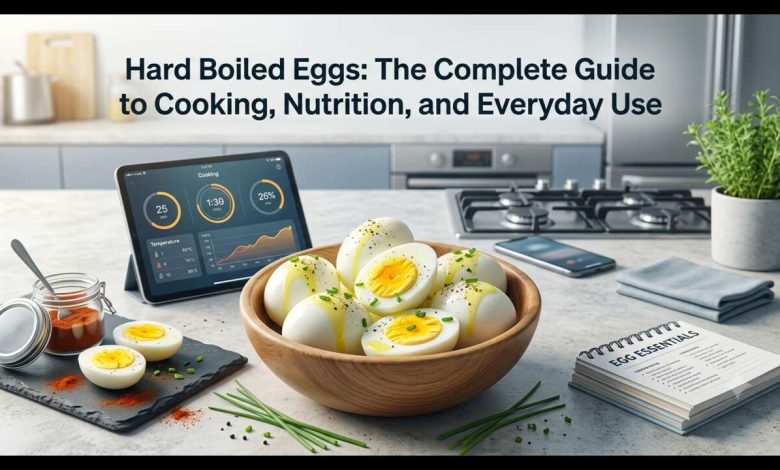
There are very few foods that manage to be humble and remarkable at the same time, but hard boiled eggs pull it off effortlessly. A pot of water, a handful of eggs, and a bit of patience are all it takes to produce something that fits into almost every kind of meal, diet, and lifestyle. Whether they end up sliced over a salad, mashed into a sandwich filling, packed into a lunchbox, or eaten plain with a pinch of salt, hard boiled eggs have earned their place as one of the most reliable foods in any kitchen.
This guide walks through everything worth knowing about hard boiled eggs: how they are made, why they are so nutritious, how long they last, the small mistakes that ruin them, and the many ways they can be worked into daily meals. Along the way, we will look at the science behind that perfect firm white and creamy yolk, along with practical tips that make the process far less fiddly than it often seems.
What Are Hard Boiled Eggs, Exactly?
A hard boiled egg is simply an egg that has been cooked in its shell, in water, until both the white and the yolk are fully set. Unlike a soft boiled egg, where the yolk stays runny or semi-liquid, a hard boiled egg is cooked long enough that the yolk turns pale yellow, dense, and crumbly throughout.
The term can sometimes cause confusion because eggs are not technically “boiled” in the aggressive sense of the word for the entire cooking time. Most seasoned cooks bring the water to a boil briefly and then reduce it to a gentler simmer, since a rolling boil for the full cooking period tends to make the eggs rubbery and increases the chance of cracked shells. The gentler the heat, the more evenly the egg cooks from white to yolk.
Hard boiled eggs are prized for a few simple reasons:
- They require no oil, butter, or added fat to prepare
- They can be made in batches and stored for later
- They travel well and do not need reheating
- They are naturally gluten-free, low in carbohydrates, and suitable for a wide range of eating patterns
The Nutritional Profile of Hard Boiled Eggs
Few everyday foods pack as much nutritional value into so few calories as a hard boiled egg. A single large hard boiled egg typically contains somewhere between 70 and 80 calories, along with roughly 6 grams of high quality protein and about 5 grams of fat. This makes it a remarkably efficient source of nourishment, especially for anyone watching their calorie intake while still wanting to feel satisfied.
Protein Quality
The protein found in eggs is often described as one of the most complete forms of protein available in any single food. It contains all nine essential amino acids in proportions the human body can use efficiently, which is why eggs are frequently used as the benchmark against which other protein sources are measured. Interestingly, protein is not confined to the egg white. Close to half of the protein in an egg actually comes from the yolk, so eating the whole egg rather than discarding the yolk is the better approach if the goal is maximum nutritional benefit.
Vitamins and Minerals
Beyond protein, hard boiled eggs contribute a broad spread of micronutrients, including:
- Vitamin B12: Important for nerve function and the formation of red blood cells.
- Riboflavin (Vitamin B2): Which supports energy metabolism and healthy skin.
- Vitamin D: A nutrient that many people fall short on, particularly during darker months.
- Vitamin A: Which plays a role in vision and immune health.
- Choline: A lesser-known nutrient that supports brain function and cell structure, found in meaningful amounts in the yolk.
- Selenium and zinc: Both of which support immune defenses.
- Lutein and zeaxanthin: Antioxidants concentrated in the yolk that are closely linked to eye health.
What About Cholesterol?
Eggs have long carried a reputation for being high in cholesterol, and this is factually accurate a large hard boiled egg contains around 185 milligrams of cholesterol, almost entirely within the yolk. For many years, this led to advice limiting egg consumption, particularly for people concerned about heart health.
More recent nutritional guidance has softened considerably. Research over the past couple of decades has generally found that dietary cholesterol has a much smaller effect on blood cholesterol levels than was once assumed for most healthy adults. In fact, some studies suggest that moderate egg consumption may even support higher levels of HDL cholesterol, often referred to as the “good” cholesterol. That said, people managing diabetes or existing cardiovascular conditions are usually advised to discuss their personal intake with a healthcare provider, since individual responses to dietary cholesterol can vary.
Why Hard Boiled Eggs Are Considered a Genuinely Healthy Food
It is worth separating out the specific reasons hard boiled eggs tend to show up so often in healthy eating plans, weight management guides, and general nutrition advice.
They support satiety. The combination of protein and fat in an egg means it digests relatively slowly, which helps people feel fuller for longer after eating. This is one reason hard boiled eggs are such a popular mid-morning or mid-afternoon snack they curb hunger without requiring a large amount of food.
They are naturally low in carbohydrates. With roughly one gram of carbohydrate per egg, hard boiled eggs fit comfortably into low-carb, ketogenic, and blood sugar-conscious eating patterns.
They support muscle maintenance. Because the protein in eggs is so readily absorbed and used by the body, hard boiled eggs are frequently recommended to people looking to build or maintain lean muscle mass, including athletes and older adults working to preserve strength.
They contribute to eye and brain health. The antioxidants and choline present in the yolk are linked to long-term eye health and cognitive function, making eggs relevant well beyond simple calorie counting.
They are a convenient, no-fuss addition to a balanced diet. Unlike many nutrient-dense foods that require preparation time, marinating, or specific cooking skills, hard boiled eggs need almost no culinary expertise. This convenience factor should not be underestimated foods that are easy to prepare consistently are far more likely to become a genuine part of someone’s regular diet.
It is fair to say that while hard boiled eggs are not a miracle food, and no single ingredient should be relied upon for complete nutrition, they represent one of the most efficient and accessible ways to get high quality protein, healthy fats, and a broad range of vitamins and minerals into a daily diet.
How to Make Hard Boiled Eggs: A Reliable Method
Almost everyone has a story about ruining a batch of hard boiled eggs at some point either the yolks come out with an unappealing grey-green ring, the whites turn rubbery, or the shells refuse to come off cleanly. The good news is that these problems are almost always avoidable with a consistent, tested method.
Step-by-Step Method
- Choose eggs that are not brand new. Eggs that have been in the fridge for around a week to two weeks peel considerably more easily than very fresh eggs. This happens because eggshells become slightly more porous as they age, allowing air to seep in between the shell and the membrane, which loosens the bond.
- Bring water to a boil first. Fill a saucepan with enough water to fully cover the eggs by about an inch, and bring it to a rolling boil before adding the eggs. Starting with boiling water rather than cold water tends to produce more consistent results and shorter, more predictable cooking times.
- Lower the eggs in gently. Using a slotted spoon, carefully lower the eggs into the water rather than dropping them in, which helps prevent cracking.
- Reduce the heat to a gentle simmer. A rolling boil for the entire cooking time increases the risk of cracked shells and can make the whites tough. A gentle simmer produces a more tender texture.
- Time it based on the yolk you want:
- Soft-set yolk: around 6 to 7 minutes
- Medium-set, slightly jammy yolk: around 9 to 10 minutes
- Fully hard-set yolk: around 11 to 13 minutes
- Transfer immediately to an ice bath. As soon as the timer goes off, move the eggs into a bowl of ice-cold water for at least 10 minutes. This step is one of the most important and most frequently skipped. It stops the cooking process instantly, prevents the grey-green ring from forming around the yolk, and causes the egg white to contract slightly away from the shell, which makes peeling far easier.
- Peel starting from the wider end. Every egg has a small air pocket at its rounder end. Cracking and starting the peel from this point, ideally under a thin stream of cold running water, tends to give the cleanest results.
Why Some Eggs Are Harder to Peel Than Others
The single biggest factor affecting how easily an egg peels is its age, not the cooking method. Very fresh eggs have a lower pH, which causes the egg white to bond more tightly to the inner shell membrane. As eggs age slightly, the pH rises and this bond loosens naturally. This is why eggs bought a week or two before boiling almost always peel more cleanly than eggs used the same day they were laid.
A few additional tricks that many home cooks and professional kitchens rely on include:
- Adding a small amount of bicarbonate of soda to the boiling water, which raises the pH of the water slightly and can help loosen the shell.
- Gently tapping or rolling the cooked egg on a hard surface to crack the shell evenly all over before peeling.
- Peeling eggs under cool running water, which helps separate stubborn bits of shell from the membrane.
Storing Hard Boiled Eggs Safely
One of the most practical advantages of hard boiled eggs is how well they store, which makes batch cooking genuinely worthwhile.
- Unpeeled hard boiled eggs. Can typically be kept in the refrigerator for around one week. The shell acts as a natural barrier that helps protect the egg from absorbing odours and bacteria from the fridge environment.
- Peeled hard boiled eggs. Should ideally be eaten within three to four days. Once peeled, they lose some of that natural protection, so it is best to store them in a sealed container, and some people prefer to keep them submerged in water to prevent the surface from drying out.
- Room temperature limits matter. Hard boiled eggs should not be left out at room temperature for more than about two hours, and even less time if the environment is particularly warm. Bacteria multiply quickly on protein-rich foods left unrefrigerated.
- Freezing is not recommended for whole hard boiled eggs. The egg white becomes noticeably tough, rubbery, and watery once thawed. If freezing is necessary, it is better to separate out the cooked yolk, which freezes reasonably well, and use the whites fresh.
A simple habit worth adopting is labelling a container with the date the eggs were boiled, particularly if a large batch is prepared at the start of the week for use in multiple meals.
Ways to Use Hard Boiled Eggs Through the Week
Part of what makes hard boiled eggs so valuable in a kitchen is their versatility. A single batch, prepared once, can be used across breakfast, lunch, dinner, and snacks without ever feeling repetitive.
Breakfast ideas
- Sliced over avocado toast with a light seasoning of salt, pepper, and chilli flakes
- Chopped into a breakfast bowl with sautéed greens and wholegrain toast
- Paired with smoked salmon and a squeeze of lemon for a protein-heavy start to the day
Lunch ideas
- Classic egg salad made with a light dressing, mustard, and fresh herbs
- Sliced into a Cobb salad alongside grilled chicken, bacon, and avocado
- Halved and added to a Niçoise-style salad with tuna, green beans, and olives
- Diced into a grain bowl with quinoa, roasted vegetables, and a simple vinaigrette
Snacks
- Eaten plain with a pinch of sea salt and cracked black pepper
- Deviled eggs made with a light, tangy filling
- Paired with wholegrain crackers and a slice of cheese for a balanced mid-afternoon bite
Dinner ideas
- Sliced over a warm grain or noodle bowl
- Added to a ramen or noodle soup just before serving
- Wrapped in seasoned sausage meat for a homemade take on a Scotch egg
- Chopped through a potato salad for extra protein and richness
This flexibility is a large part of why hard boiled eggs remain a staple across so many different cuisines and eating styles, from British lunchboxes to Japanese ramen bowls to Mediterranean-style salads.
Hard Boiled Eggs and Special Diets
Hard boiled eggs fit comfortably into a wide range of dietary approaches, which adds to their appeal for households where different people are following different eating patterns.
- Low-carb and ketogenic diets: With roughly one gram of carbohydrate per egg and a solid amount of natural fat, hard boiled eggs are a staple in low-carb eating plans.
- High-protein diets: For anyone increasing their protein intake, whether for muscle building, weight management, or general health, hard boiled eggs offer an easy way to add protein without much preparation effort.
- Gluten-free diets: Eggs are naturally free from gluten, making them a safe and reliable option, provided they are not cooked or served alongside gluten-containing ingredients.
- Paleo-style eating: Eggs fit naturally within paleo frameworks, since they represent a whole, minimally processed food.
- Low FODMAP diets: Hard boiled eggs are generally well tolerated on low FODMAP eating plans, making them a useful protein source for people managing digestive sensitivities.
It is worth noting that hard boiled eggs are not suitable for vegan diets, since they are an animal product regardless of how they are prepared.
A Note on Quality and Sourcing
The quality of the finished hard boiled egg depends heavily on the quality of the egg itself before it ever reaches the pot. Eggs from well-managed, free-range flocks tend to have firmer whites, richer, deeper-coloured yolks, and a noticeably better flavour compared to lower-quality alternatives. Freshness, proper storage before cooking, and the general standard of the farm or supplier all play a role in the final result on the plate.
This is one of the reasons thoughtful home cooks pay attention not just to how they cook their eggs, but where those eggs come from in the first place. A well-sourced egg, handled with care and cooked properly, delivers a noticeably better eating experience than a rushed or poorly stored one something worth keeping in mind the next time a carton of eggs goes into the shopping basket.
Bringing It All Together
Hard boiled eggs occupy a rare position in the world of food: they are inexpensive, quick to prepare, endlessly versatile, and genuinely good for the body. From their impressive protein content and broad range of vitamins and minerals, to their usefulness across breakfast, lunch, dinner, and snacks, it is easy to see why they have remained a kitchen staple across so many cultures and generations.
Getting them right consistently comes down to a few simple habits: using eggs that are not perfectly fresh, simmering gently rather than boiling hard, timing the cook based on the desired yolk texture, and cooling them quickly in an ice bath. Master these basics, and hard boiled eggs become one of the most dependable, nourishing foods to keep on hand at any time.
For more practical, well-researched guides on everyday food, health, and lifestyle topics, Reuterings continues to bring readers clear, dependable information they can put to use straight away and this guide to hard boiled eggs is very much in that spirit, offering a genuinely useful resource on a food that deserves a bit more appreciation than it usually gets.