c: The Story, Culture, and Craft Behind the Dominican Republic’s Favourite Mashed Plantain Dish
There are certain dishes that go far beyond the plate. They carry memory, identity, and a sense of home that no amount of description can quite capture until you have tasted it yourself. Mangu is exactly that kind of dish. Ask almost anyone from the Dominican Republic what their childhood breakfast tasted like, and there is a very good chance the answer involves a warm, creamy mound of mashed green plantains, sitting quietly at the centre of the table while the rest of the meal gathers around it.
Mangu is simple in its ingredients but rich in everything else: history, technique, and the kind of comfort that only a well-made dish can offer. This guide takes a close look at what mangu actually is, where it came from, how it is traditionally prepared, why the quality of the ingredients matters so much, and how this humble plantain mash has travelled from Dominican kitchens to tables across the world.
What Is Mangu?
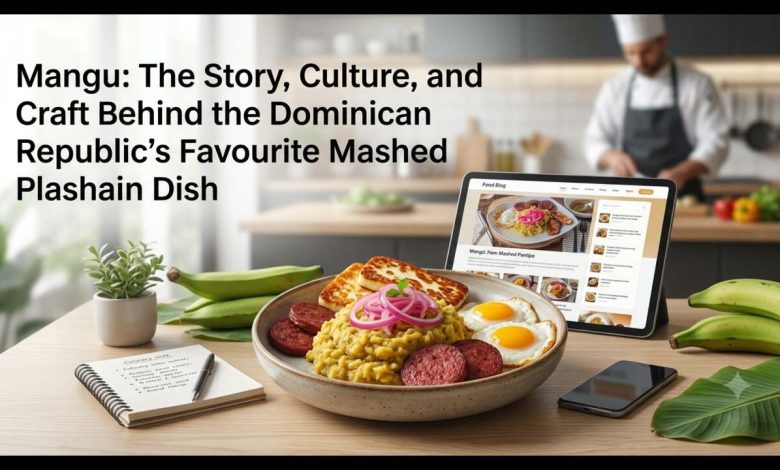
At its core, mangu is a Dominican dish made from green plantains that have been boiled until tender and then mashed into a smooth, velvety consistency. Unlike ripe plantains, which turn sweet and soft as they age, green plantains are starchy and firm, which gives mangu its characteristic dense yet creamy texture once mashed. A touch of the reserved cooking water, along with butter or oil, helps bring the mash together, while salt rounds out the flavour.
The dish is most commonly associated with breakfast, though it is equally at home on the lunch or dinner table. In many Dominican households, mangu is not an occasional treat; it is a near-daily staple, prepared with the same familiarity that other cultures might reserve for toast or porridge.
What sets mangu apart from other mashed dishes is its topping. Traditionally, it is finished with a layer of sautéed or pickled red onions, cooked gently with vinegar and a little oil until they turn soft and slightly tangy. This onion topping is not an optional garnish; it is considered an essential part of the dish, cutting through the richness of the mash with a bright, slightly acidic note.
The Origins of Mangu
Understanding mangu properly means understanding where it comes from. Its roots trace back to fufu, a mashed starch dish that has long been a staple across West Africa. Fufu made its way to the Caribbean and parts of Latin America through the transatlantic slave trade, and over generations, enslaved Africans and their descendants adapted the dish using ingredients that were locally available, particularly plantains, cassava, and other starchy vegetables.
This shared ancestry explains why so many Caribbean and Latin American countries have their own version of a mashed starch dish with a similar spirit but a distinct name and preparation. In Puerto Rico, the closest relative is mofongo, which typically incorporates garlic and pork cracklings. In Cuba, there is fufu de plátano. Ecuador has bolón, and Colombia has cayeye. Even parts of the southern United States developed hot water cornbread, a dish that shares a similar culinary logic despite using a different base ingredient.
Mangu itself developed its distinct identity within the Dominican Republic, evolving through the blending of African, Taíno, and Spanish culinary traditions that shaped the island’s food culture more broadly. Over time, it became something uniquely Dominican, tied closely to family routines, weekend mornings, and the rhythm of everyday life on the island.
Los Tres Golpes: Mangu’s Famous Companion
No conversation about mangu is complete without mentioning “los tres golpes,” which translates loosely to “the three hits.” This is the classic combination that mangu is most often served with: fried Dominican salami, fried cheese, and fried eggs.
Each of these components brings something different to the plate:
- Fried Dominican salami: Has a smoky, slightly sweet flavour, made traditionally from a blend of beef and pork, seasoned with garlic, black pepper, annatto, and other spices. Many families dust the slices lightly in flour before frying to give them a delicate, crisp edge.
- Fried cheese: Offers a salty, slightly chewy contrast to the smoothness of the mangu, usually made from a firm, mild cheese that holds its shape well when pan-fried.
- Fried eggs: Often cooked until the edges turn golden and crisp while the yolk stays soft, add richness and tie the whole plate together.
Together with the pickled red onions on top of the mangu, los tres golpes creates a plate that balances starch, protein, acidity, and fat in a way that feels both indulgent and deeply satisfying. It is not unusual for Dominican families to gather around this exact combination on weekend mornings, treating it less as a quick meal and more as a small ritual.
How Mangu Is Traditionally Made
While the ingredient list for mangu is short, the technique matters a great deal. Getting the texture right is often described by home cooks as the real test of a good mangu.
The basic process looks like this:
- Green plantains are peeled and cut into large pieces.
- They are boiled in salted water until completely tender, usually somewhere between fifteen and twenty-five minutes depending on size.
- A portion of the cooking water is reserved before draining.
- The plantains are mashed, traditionally with a fork or a wooden masher, while gradually adding back some of the reserved water along with butter or oil.
- The mashing continues until the mixture is smooth, with no lumps remaining.
- Sautéed or pickled red onions are placed on top just before serving.
Experienced cooks often mention a few small details that make a noticeable difference. Adding slightly more liquid than seems necessary at first helps, since mangu tends to firm up as it cools, and starting with a softer, almost mushy consistency usually results in a better final texture by the time it reaches the table. Thorough mashing is equally important, since lumps are considered a sign of a rushed or careless preparation. Peeling the plantains properly also matters, as green plantain skin is notoriously tough and slightly sticky compared to a ripe banana peel.
Why Ingredient Quality Makes Such a Difference
Because mangu relies on so few ingredients, the quality of each one has an outsized impact on the final result. This is a dish where there is simply nowhere for poor ingredients to hide.
Plantains: Should be genuinely green and firm, not showing any yellowing, since ripening changes both the sugar content and the texture of the mash. Firmer, starchier plantains produce the dense, satisfying consistency that mangu is known for, while riper plantains would make the dish taste more like a sweet mash than the savoury staple it is meant to be.
Fat: Whether butter or a neutral cooking oil, should be added thoughtfully rather than poured in carelessly. The right amount brings smoothness and a subtle richness without overwhelming the natural flavour of the plantain itself.
Onions: Used for the topping benefit from a slow, gentle cook. Rushing this step with high heat can make the onions bitter rather than sweet and tangy, which changes the entire character of the dish.
Salt and seasoning: Though minimal, need to be balanced carefully, since mangu’s simplicity means that even small seasoning mistakes are immediately noticeable.
Restaurants and home cooks who take mangu seriously tend to source good quality green plantains and fresh accompaniments rather than relying on shortcuts, because the dish genuinely does not have enough complexity elsewhere to mask lower quality ingredients. This is part of why mangu, despite being an everyday dish, is still treated with real care in Dominican kitchens.
Nutritional Profile of Mangu
Beyond its cultural significance, mangu also holds up well from a nutritional standpoint, largely thanks to the plantains at its centre.
Green plantains are a strong source of complex carbohydrates, dietary fibre, and resistant starch, which supports steady, sustained energy release rather than a quick spike and crash. They also provide a meaningful amount of potassium, often cited as containing close to double the potassium of a comparable serving of banana, along with vitamin A, vitamin C, and small amounts of magnesium and vitamin B6.
A typical serving of plain mangu, without the fried accompaniments, tends to be relatively light, generally sitting in the range of roughly 90 to 180 calories per serving depending on portion size and how much fat is used in preparation. It is naturally gluten-free, making it a suitable option for those avoiding gluten, and it can easily be prepared in a way that is entirely plant-based, since the mash itself contains no animal products unless butter is used.
Because green plantains are boiled rather than fried in the traditional mangu preparation, the dish tends to be gentler on the body compared to other plantain preparations like tostones or maduros, which involve frying and therefore carry more fat and calories. Some nutrition research has even pointed to boiled green plantains having a more favourable effect on blood sugar compared to their fried or overly ripe counterparts, which is worth noting for anyone paying close attention to how starchy foods affect them.
That said, mangu is not without its considerations. It is relatively high in carbohydrates, which means portion size matters for anyone managing blood sugar closely, and the dish is not compatible with very low-carbohydrate eating patterns. When served as part of los tres golpes, the overall meal naturally becomes higher in fat and sodium due to the fried salami, cheese, and eggs, so the nutritional character of the full plate looks quite different from mangu eaten on its own.
Regional and Modern Variations
While the classic preparation remains the most beloved, mangu has seen its share of variations over time, both within the Dominican Republic and among Dominican communities living abroad.
Some cooks experiment with different fats, swapping traditional butter for olive oil or plant-based alternatives to suit dietary preferences. Others adjust the toppings, adding sliced avocado alongside or instead of the pickled onions, which introduces a creamy, mild contrast to the tangy onions. In some households, mangu is paired with stewed chicken or other savoury mains for lunch or dinner rather than the traditional breakfast trio, showing just how flexible the dish can be outside of its most iconic pairing.
There are also lighter, lower-fat versions designed for those watching their intake more closely, typically reducing the amount of added butter or oil while relying more on the reserved cooking water to achieve a similarly smooth texture. Regardless of the variation, the fundamental identity of the dish, smooth mashed green plantain finished with something bright and acidic on top, tends to remain intact.
Mangu Beyond the Dominican Republic
As Dominican communities have settled in cities across the United States, Canada, and parts of Europe, mangu has travelled with them, appearing on menus far from its island of origin. It has become one of the more recognisable Caribbean dishes internationally, often introduced to newcomers alongside its close relatives, mofongo and fufu, as part of a broader appreciation for Caribbean and Latin American cuisine.
Restaurants specialising in Dominican or wider Caribbean food frequently list mangu prominently on their breakfast menus, sometimes offering it with a choice of proteins or additional sides to suit different tastes. This growing visibility reflects a wider trend of Caribbean cuisine gaining recognition on the global culinary stage, with dishes that were once confined to home kitchens now finding audiences well beyond their original communities.
For anyone new to the dish, trying mangu prepared properly, with well-mashed, lump-free plantain and a generous, well-balanced onion topping, is often the moment that shifts it from being just another item on a menu to becoming a genuine favourite.
Serving Suggestions and Pairings
While los tres golpes remains the definitive way to enjoy mangu, there are several other pairings worth knowing about for anyone wanting to explore the dish further:
- Avocado: Sliced and placed alongside the mash, adds a cooling, buttery element that works particularly well in warmer months.
- Stewed or grilled chicken: Often referred to as pollo guisado, turns mangu into a heartier lunch or dinner option.
- Fresh queso frito or queso de freir: A firm frying cheese, pairs beautifully when the goal is a lighter alternative to salami.
- A simple fried egg: On its own without the full trio, is a quick and satisfying way to enjoy mangu on a busy morning.
Leftover mangu can be stored in an airtight container in the refrigerator for a short period, generally recommended to be eaten within a couple of days for the best texture and flavour. When reheating, adding a small splash of water and gently warming it through helps restore some of the original creaminess that can be lost once the mash cools and firms up.
Why Mangu Continues to Matter
Part of what makes mangu such an enduring dish is how much meaning it carries within such a simple format. It is not built on rare ingredients or complicated technique, yet it manages to represent an entire culture’s history, resourcefulness, and sense of togetherness around the table. The dish’s connection to los tres golpes, its roots in West African culinary traditions, and its place at the centre of countless Dominican family breakfasts all point to something that goes well beyond nutrition or flavour alone.
For those exploring Dominican or wider Caribbean cuisine for the first time, mangu is often one of the most approachable and rewarding places to start. It asks for good quality plantains, a little patience with the mashing, and a genuine appreciation for how much character a few honest ingredients can bring to a plate. Whether enjoyed the traditional way with pickled onions, fried cheese, salami, and eggs, or adapted to suit a lighter or more modern table, mangu remains one of the clearest examples of how everyday food can hold onto its identity while still finding new audiences far from where it began.
At Reuterings, we find that dishes like mangu offer a useful reminder that some of the most meaningful food traditions are also the simplest, built not on complexity but on care, consistency, and quality ingredients handled the right way.
Common Questions About Mangu
Is mangu the same as mofongo? No, although the two are closely related. Both dishes trace back to fufu and rely on plantains as their base, but mofongo typically combines green plantains with garlic, olive oil, and pork cracklings, all pounded together into a denser, more compact ball. Mangu, by contrast, is looser, smoother, and left unseasoned aside from salt, letting the toppings carry most of the additional flavour.
Can mangu be made without butter or animal fat? Yes. Many households and modern recipes use olive oil or another neutral plant-based oil in place of butter, and the dish still achieves a smooth, creamy texture as long as enough of the reserved cooking water is added back in during mashing. This makes mangu naturally adaptable for those following a plant-based diet, particularly when it is served with avocado rather than the traditional fried trio.
Why does mangu sometimes taste different between households? Because the ingredient list is so short, small differences in technique tend to stand out. The ripeness of the plantains, how long they are boiled, how much liquid is added back during mashing, and how the onions are cooked all shape the final taste and texture. Many Dominican families have their own small adjustments passed down through generations, which is part of why mangu can taste distinctly different from one kitchen to the next while still being recognisably the same dish.
What is the best way to reheat mangu without losing its texture? Gently warming it on the stove with a small amount of added water, stirring frequently, tends to work better than a microwave, which can make the mash dry out unevenly. The goal is to loosen the plantain back to something closer to its original consistency rather than simply heating it through.
Is mangu suitable for a low-carbohydrate or ketogenic diet? Not really. Plantains are naturally starchy, and a typical serving of mangu contains a meaningful amount of carbohydrate, generally too high to fit comfortably within a ketogenic eating pattern. It can, however, fit well into a balanced diet, particularly for those who need steady, longer-lasting energy earlier in the day.
Bringing It All Together
Mangu is, in many ways, a lesson in how far a handful of well-chosen ingredients can go when they are treated with respect. There is no elaborate technique hidden behind the dish, no rare or hard-to-source ingredient, and no shortcut that quietly does the work for the cook. What there is instead is a clear standard: good plantains, properly boiled, thoroughly mashed, and finished with onions cooked with care. Everything about the dish’s continued popularity, both within the Dominican Republic and increasingly abroad, comes back to that same simple standard being met consistently, meal after meal, generation after generation.
Anyone looking to understand Dominican food more broadly would do well to start here. Mangu offers a genuine, unfiltered introduction to the island’s culinary identity, shaped by African, Taíno, and Spanish influence, and sustained by families who have kept the tradition alive through nothing more complicated than good ingredients and steady hands in the kitchen.