Bacalao: A Complete Guide to the History, Quality, and Culinary Legacy of Salted Cod
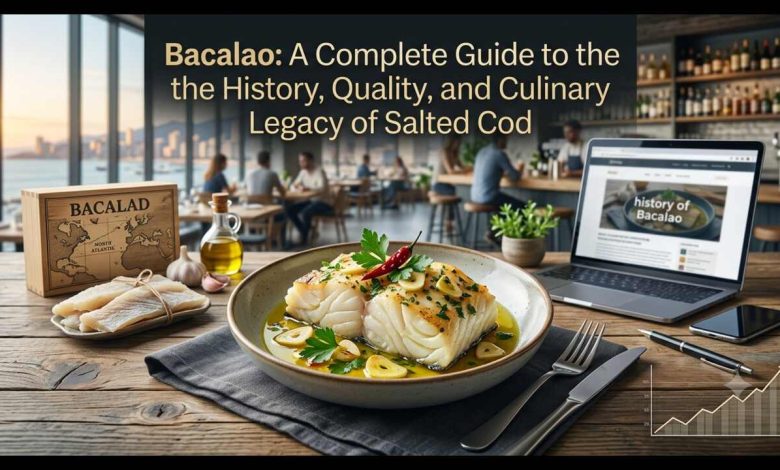
Few ingredients in European or Latin American cooking carry as much history, or inspire as much devotion, as bacalao. Preserved with salt and slowly air-dried until it can be stored for months without refrigeration, this cured form of cod once fed sailors at sea, sustained families through religious fasting periods, and shaped entire regional cuisines across Spain, Portugal, and the wider Spanish- and Portuguese-speaking world. It is a fish that manages to be both humble and prized at once: food once associated with lean times now turns up on menus at some of the finest restaurants in Bilbao and Lisbon.
This guide from Reuterings looks closely at what bacalao actually is, where the best of it comes from, how it is cured and prepared, and why the quality of the raw fish and the care taken in preparing it make such a difference to the finished dish. Whether you have spotted bacalao on a restaurant menu, come across it at a specialist fishmonger, or grown up eating it at Christmas, there is more to this ingredient than its salty reputation suggests.
What Is Bacalao?
Bacalao is the Spanish word for cod that has been preserved through salting and drying. Although the term is occasionally used more loosely to mean cod in general, in a culinary sense it refers specifically to the cured product made from Atlantic cod, Gadus morhua, rather than to the fresh fish. Fresh cod rarely takes centre stage in Iberian cooking; it is the salted, dried version that carries the flavour, texture, and cultural weight associated with the name.
The same fish and the same basic process appear under different names depending on where you happen to be. In Portugal it is bacalhau, in Italy baccalà, in France morue, and in Norway klippfisk, literally “cliff fish,” a nod to the rocky outcrops where it was traditionally left to dry in the open air. It is worth distinguishing bacalao from stockfish, another preserved cod product popular in Norway and Italy, air-dried without any salt. Bacalao, by contrast, depends on salt as its primary preservative, and that salt is what gives the fish its firm texture, concentrated flavour, and remarkably long shelf life.
The History of Bacalao: From Atlantic Waters to Iberian Kitchens
The story of bacalao begins with the need to preserve a highly perishable fish across long sea voyages. Basque fishermen were among the first Europeans to work the cod-rich waters off Newfoundland, with salt-curing techniques already well established by the sixteenth century. The method spread quickly among Portuguese, Breton, and English fishing fleets working the same waters.
Salted cod found a natural home in the religious calendar of Catholic Europe. With meat forbidden on Fridays and throughout Lent, bacalao became the practical substitute across Spain and Portugal, valued precisely because it could travel far inland to towns that never saw fresh fish. Over time, it stopped being merely a Lenten necessity and became a genuine culinary tradition in its own right, particularly in the Basque Country, where gastronomic societies formed around perfecting bacalao recipes.
As Spain and Portugal expanded their reach across the Atlantic, bacalao travelled with them, taking root in the cuisines of the Caribbean, Brazil, and Central America. The fishing grounds have shifted considerably since then: overfishing led to the collapse of the Grand Banks cod stocks off Newfoundland in the early 1990s, and Norway, Iceland, and the Faroe Islands have since become the principal sources of the high-quality Atlantic cod used for curing today.
How Bacalao Is Made: The Salting and Curing Process
Traditional bacalao production begins soon after the cod is caught. The fish is beheaded, gutted, and split open flat, then packed generously in coarse salt and left to cure for anywhere from several weeks to a few months. The salt draws moisture out of the flesh and triggers enzymatic changes within the muscle that concentrate flavour and firm up the texture, a transformation that simple freezing or chilling could never achieve on its own.
Once cured, the fish is dried, historically outdoors on wooden racks or bare rock faces exposed to cold, dry wind, and now more commonly indoors using controlled heating. Fully dried bacalao loses roughly half its original weight in water, which is why a small piece feels surprisingly dense for its size. Some producers stop short of full drying, creating a softer, moister style of salted cod that needs less soaking before cooking but carries a milder flavour.
Once dried, the fish is sorted and cut into recognisable commercial forms. Portuguese classification even grades whole bacalhau by weight, running from small miúdo pieces under half a kilogram up to the prized especial grade at more than three kilograms, with the larger grades yielding thicker, more impressive pieces once rehydrated.
What Makes High-Quality Bacalao
Not all bacalao is created equal, and the gap between an excellent piece and a mediocre one comes down to several factors: the origin of the fish, the skill applied during salting and drying, and how carefully it has been stored before it reaches the kitchen.
Cod caught in the cold, clean, nutrient-rich waters around Iceland, Norway, and the Faroe Islands is generally regarded as the finest available, producing thicker loins, whiter flesh, and a more pronounced natural gelatin than cod from warmer waters. That gelatin matters a great deal in cooking, since it is precisely what allows classic preparations such as pil-pil to form a silky, emulsified sauce without any added thickener.
When judging a piece of bacalao, a few signs reliably point to genuine quality:
- Colour: A good piece is pearly white to pale ivory or cream. Yellowish, brownish, or greyish tones usually signal poor curing, excessive age, or improper storage.
- Smell: Quality bacalao smells clean and briny, like the sea itself. A sharp, ammoniacal, or sour odour is always a warning sign.
- Texture: The flesh should be firm and dry to the touch, with a little give rather than being brittle, or, at the other extreme, damp and sticky.
- Thickness: Thicker cuts, particularly from the loin, indicate a larger, more mature fish and tend to yield plumper, juicier flakes once rehydrated.
- Cut: The loin, or lomo, is the thickest and most prized section, ideal for dishes where the fish takes centre stage. The belly is fattier and especially gelatinous, while trimmings and flakes suit croquettes, fritters, and spreads well.
Producers who cure slowly, sort carefully by grade, and store their bacalao under the right conditions, cool, dry, and away from direct light, are the ones whose fish rewards the extra effort at the table. This is really where the quality of the raw material and the quality of the process meet: the finest results always come from sound fish treated with patience and expertise from start to finish.
How to Desalt Bacalao Properly
Because bacalao is cured with a substantial amount of salt, it cannot be cooked straight from the packet. Desalting is a non-negotiable step that rehydrates the fish and draws out the excess salt so its natural flavour can come through properly.
The process is simple but requires planning ahead. Rinse the fish under cold water to remove surface salt, then submerge it fully in a container of cold water, skin side facing upward so the salt sinks away rather than becoming trapped against the flesh. Keep it refrigerated throughout, and change the water every six to eight hours. Thin pieces or flakes may be ready within a day, while a thick loin can need anywhere from forty-eight to seventy-two hours. Tasting a small piece partway through is the most reliable way to judge readiness; it should taste pleasantly of the sea with only a gentle trace of salt remaining, rather than being either sharply briny or entirely bland.
Once desalted, bacalao behaves like any fresh fish and is best used within a couple of days, or frozen for later use.
Bacalao in Spanish Cuisine: Regional Dishes and Traditions
Spain’s relationship with bacalao is deeply regional, with the Basque Country widely regarded as its spiritual home. Bacalao al pil-pil, in which slices of garlic are gently confited in olive oil before the fish is added and the oil is coaxed into a pale, creamy emulsion using nothing but the cod’s own natural gelatin, is considered something of a benchmark for technical skill in Basque kitchens.
Close behind it in fame is bacalao a la vizcaína, in which desalted cod is bathed in a deep red sauce built from dried choricero peppers and slowly poached onion. Traditionalists insist the original sauce contains no tomato whatsoever, though many modern and Latin American versions have since adopted it happily.
Other notable preparations found across the country include:
- Bacalao en salsa verde. A lighter, herbaceous sauce built on parsley, garlic, and white wine.
- Bacalao al ajoarriero. A Navarrese dish of shredded cod scrambled together with garlic, peppers, and sometimes egg.
- Esqueixada de bacallà. A refreshing Catalan salad of raw, shredded, desalted cod tossed with tomato, onion, and olives, especially popular during the warmer months.
- Brandada. A smooth, whipped blend of cod and olive oil, often spread generously over toasted bread as a starter.
- Croquetas de bacalao. Crisp, golden croquettes with a creamy bechamel and cod filling, a familiar sight on tapas bar menus the length and breadth of the country.
Bacalhau in Portugal: A National Tradition
If Spain treats bacalao with reverence, Portugal is arguably even more devoted to it. Bacalhau, as it is known there, is affectionately nicknamed “fiel amigo,” the faithful friend, and Portuguese households are said to have a recipe for every day of the year, with some claiming the true number runs well beyond a thousand.
Bacalhau à Brás, a comforting mix of shredded cod, matchstick fried potatoes, and softly scrambled egg finished with black olives and parsley, is considered the nation’s favourite everyday dish. Bacalhau com Natas, a rich gratin layering cod, potato, and onion beneath a blanket of cream and cheese, is a firm favourite for family gatherings and Sunday dinners. Bacalhau à Gomes de Sá, from Porto, combines the fish with boiled potatoes, onion, hard-boiled egg, and olives for a lighter but equally satisfying result.
Bacalhau’s most symbolic appearance, however, comes on Christmas Eve, when families across Portugal gather for the consoada, a meal traditionally built around simply boiled cod served with potatoes, cabbage, and a generous drizzle of good olive oil. Rooted in the old Catholic custom of abstaining from meat before Christmas, it remains, for many Portuguese families, the single most important meal of the entire year.
Bacalao in Latin America and the Caribbean
Carried across the Atlantic through centuries of Iberian trade and migration, bacalao found new expressions throughout Latin America and the Caribbean. In the Dominican Republic, bacalao guisado, a hearty stew simmered with tomato, peppers, and olives, is a beloved Lenten and Christmas dish, typically served alongside rice.
In Puerto Rico, bacalao takes two particularly beloved forms: bacalaítos, crisp, savoury fritters sold at beachside kiosks across the island, and serenata de bacalao, a refreshing cold salad of shredded cod, tomato, onion, and avocado, dressed simply with olive oil and vinegar. Cuban and Mexican kitchens both have their own take on bacalao a la vizcaína, with Mexico’s version, rich with tomatoes, olives, and capers, considered essential to Noche Buena, the Christmas Eve feast. Across the wider Caribbean, salted cod, often called simply saltfish, remains a pantry staple in dishes served from Jamaica to Trinidad.
Nutritional Value and Health Benefits of Bacalao
Beyond its culinary appeal, bacalao is a genuinely nutritious food. Cod itself is naturally lean, offering a high proportion of protein relative to its calorie content, alongside virtually no carbohydrates and very little fat. That protein is complete, containing all the essential amino acids the body needs, and is highly digestible.
Bacalao is also a useful source of vitamin B12, vitamin D, phosphorus, potassium, selenium, and iodine, the last two important for healthy thyroid function. It contains modest amounts of omega-3 fatty acids too, though considerably less than oily fish such as salmon or sardines.
The one nutritional point worth bearing in mind is sodium. Because the curing process relies entirely on salt, bacalao carries a naturally high sodium content before desalting, which is exactly why thorough soaking matters, not only for flavour but for anyone keeping an eye on their salt intake, particularly those managing blood pressure. Once properly desalted, bacalao fits comfortably into a balanced diet and, thanks to its lean, high-protein profile, is often favoured by anyone looking to eat well without sacrificing flavour.
How to Choose and Store Bacalao
Choosing good bacalao is largely a matter of trusting your senses and knowing what to look for. A few practical pointers make the process considerably easier:
- Check that the fish is genuine Atlantic cod, Gadus morhua, rather than a cheaper substitute such as pollock or haddock, which are sometimes sold under similar names but lack the same texture and depth of flavour.
- Favour pieces with a pearly white to ivory colour, and steer clear of anything yellowed, greyish, or dull.
- Choose thicker cuts where possible, especially for dishes such as pil-pil, where the fish’s own gelatin does much of the work.
- Trust your nose. A clean, briny smell is entirely normal; anything sharp or ammoniacal is not.
- Buy from a specialist fishmonger, a well-stocked international market, or a reputable supplier who can speak knowledgeably about where the fish was caught and cured.
For storage, undesalted bacalao keeps well for months if wrapped and kept somewhere cool, dry, and dark, or in the refrigerator. Once desalted, treat it exactly as you would any fresh fish: use it within two to three days, or freeze it for longer storage.
Serving and Cooking Bacalao at Home
A little care goes a long way with bacalao. Because the fish retains a subtle salinity even after desalting, it is worth tasting a dish before adding any extra seasoning. Once cooked, the flesh flakes easily, so gentle handling helps keep those characteristic large, tender flakes intact rather than breaking them down into mush.
Good olive oil is bacalao’s natural partner and appears in almost every classic preparation, whether confited slowly for pil-pil or simply drizzled generously over a plate of boiled cod and potatoes in the Portuguese style. Potatoes, roasted peppers, garlic, and olives are recurring companions across nearly every regional tradition, and a crisp white wine or light red pairs comfortably with most bacalao dishes.
Whether served in a slow-cooked Basque sauce, a crisp Puerto Rican fritter, or a simple Christmas Eve supper in Lisbon, bacalao remains one of those rare ingredients that rewards patience with genuine depth of flavour. At Reuterings, exploring dishes with this much history behind them is exactly the kind of food story we enjoy telling, and bacalao, with its centuries of tradition and enduring popularity, is as good a place to start as any.